Introduction: Understanding the Power of an App to Track Period in 2026
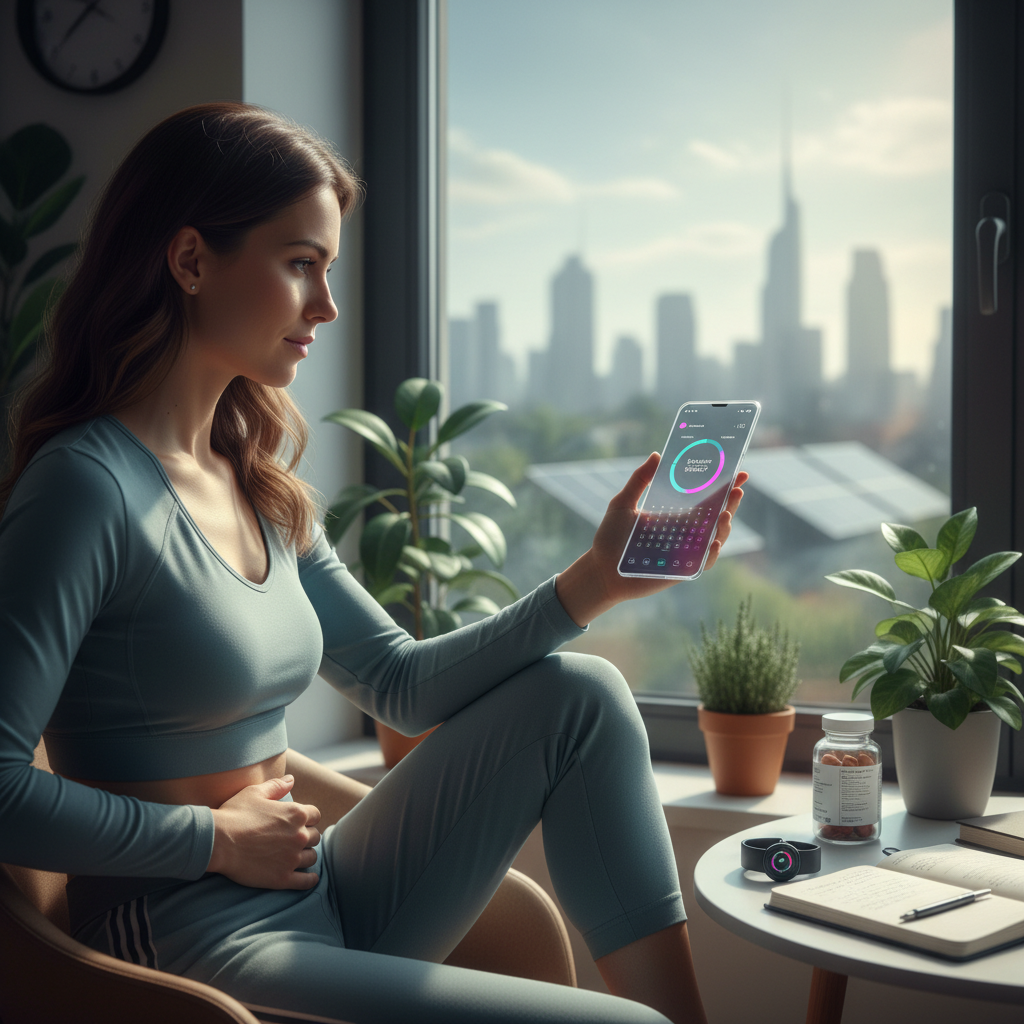
In 2026, the landscape of personal health management has been revolutionized by digital tools, with an app to track period standing out as an indispensable resource for millions. Far from simple calendar reminders, today’s advanced period tracking applications are sophisticated health companions, leveraging cutting-edge artificial intelligence, seamless wearable integration, and comprehensive data analytics to offer unparalleled insights into reproductive health and overall well-being. These platforms empower users with predictive accuracy and personalized guidance, transforming how individuals understand and manage their bodies.
The evolution of this technology reflects a broader societal shift towards proactive, data-driven personal health. In an era where digital tools permeate every aspect of life, an app to track period has become a cornerstone of modern wellness, providing not just cycle predictions but a holistic view of health influenced by hormonal fluctuations. This article will delve into the critical features, benefits, and future directions of these essential applications in the current year, 2026.
The Evolving Landscape of Reproductive Health Technology in the Mid-2020s
The mid-2020s mark a significant milestone in reproductive health technology. We’ve moved beyond basic period prediction to an era where an app to track period integrates deep learning algorithms, real-time biometric data from smartwatches, and even genetic predispositions to offer highly personalized health profiles. This convergence of technologies provides users with a granular understanding of their unique physiology, far surpassing the capabilities available just a few years prior.
Current advancements include sophisticated AI models that learn from individual patterns, predicting not only ovulation and menstruation with remarkable accuracy but also anticipating mood shifts, energy levels, and even optimal times for physical and cognitive performance. This represents a paradigm shift from reactive health management to proactive, preventative care, all accessible through the convenience of a smartphone or wearable device.
Why Digital Tracking is Indispensable for Modern Wellness
For modern individuals, digital tracking is no longer a niche interest but an indispensable component of a holistic wellness strategy. An app to track period provides a centralized hub for monitoring a vast array of health metrics, from menstrual cycle data to sleep quality, stress levels, and even nutritional intake. This integrated approach allows for the identification of subtle patterns and correlations that would otherwise go unnoticed, offering actionable insights for improving overall health.
The ease of access and the passive data collection capabilities of modern apps, often linked to smart devices, make consistent tracking effortless. This continuous stream of personal health data empowers users to make informed decisions about their lifestyle, fitness, and reproductive goals, making an app to track period a vital tool in their daily routine for maintaining optimal health and well-being in 2026.
The Modern Woman’s Essential Tool: Why an App to Track Period is Crucial in 2026
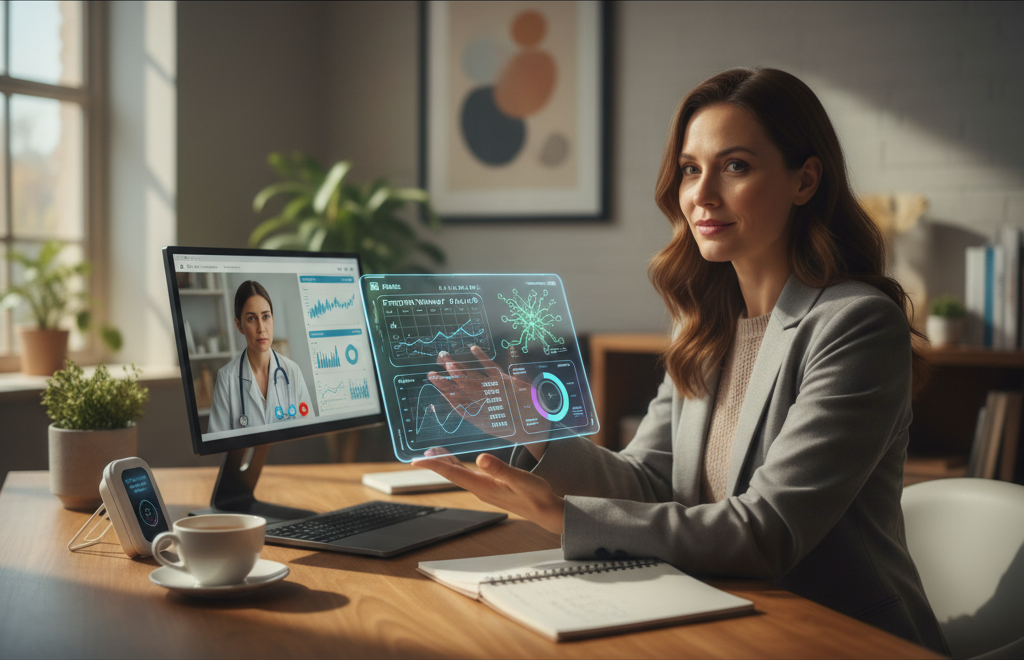
In 2026, an app to track period transcends its original purpose, evolving into a sophisticated health management system that is crucial for women seeking to understand, optimize, and protect their reproductive and overall health. These applications are now foundational tools, providing data-driven insights that empower users in various aspects of their lives, from family planning to managing chronic conditions and enhancing daily wellness. The precision and breadth of information available make them indispensable.
The sheer volume of health data processed by these apps, combined with advanced analytical capabilities, offers a level of personalization previously unimaginable. It allows women to move beyond generic health advice and receive recommendations specifically tailored to their body’s unique rhythms and needs. This makes an app to track period a pivotal tool for proactive health engagement.
Enhanced Fertility Planning and Conception Support with Predictive AI
One of the most significant advancements in 2026 is the role of predictive AI in fertility planning. Modern apps utilize complex algorithms that analyze not only past cycle data but also basal body temperature (BBT), cervical mucus observations, LH test results, and even sleep patterns and activity levels from integrated wearables. This holistic data input allows an app to track period to pinpoint fertile windows with unprecedented accuracy.
For individuals trying to conceive, this precision is invaluable, significantly increasing the chances of successful conception by identifying optimal days for intercourse. The AI also learns from each user’s unique physiological responses, constantly refining its predictions over time, making it an incredibly powerful tool for family planning and conception support. The reliability of an app to track period for fertility is now a standard expectation.
Early Detection of Potential Health Issues Through Pattern Recognition
Beyond fertility, an app to track period plays a critical role in the early detection of potential health issues. By consistently tracking menstrual cycles, symptoms, and other biometric data, these apps can identify irregularities and deviations from a user’s baseline patterns. Persistent irregular periods, unusual bleeding, severe pain, or unexplained mood swings, when systematically logged, trigger alerts or suggest potential underlying conditions.
This pattern recognition capability is a game-changer for conditions like Polycystic Ovary Syndrome (PCOS), endometriosis, thyroid disorders, or perimenopause. The app doesn’t diagnose, but it provides compelling data that can prompt users to seek medical advice earlier than they might otherwise, facilitating timely diagnosis and intervention. The consistent use of an app to track period becomes a first line of defense in preventative health.
Personalized Health Insights Beyond Simple Cycle Tracking
Today’s app to track period offers far more than just basic cycle tracking. They provide deeply personalized health insights, correlating cycle phases with various aspects of well-being. Users can understand how hormonal shifts might influence their energy levels, sleep quality, skin health, digestion, and even their susceptibility to stress. This holistic view empowers individuals to optimize their daily routines.
For example, an app might suggest adjusting workout intensity during certain cycle phases or recommending specific nutrients to mitigate premenstrual symptoms. These insights help users to live in harmony with their bodies, making informed choices about diet, exercise, and self-care. The personalized nature of an app to track period transforms it into a daily wellness coach.
Empowering Conversations with Healthcare Providers Using Comprehensive Data
One of the most impactful benefits of using an advanced app to track period in 2026 is the ability to empower conversations with healthcare providers. Instead of relying on vague recollections, users can present their doctors with weeks, months, or even years of meticulously logged data. This comprehensive record includes cycle length, flow intensity, symptom severity, mood fluctuations, and even medication intake.
This objective data allows healthcare professionals to quickly identify trends, rule out possibilities, and make more accurate diagnoses and treatment plans. It reduces guesswork and enhances the efficiency and effectiveness of medical consultations, leading to better health outcomes. The data generated by an app to track period ensures that every doctor’s visit is more productive and patient-centered.
Choosing the Best App to Track Period: Features and Innovations for 2026

Selecting the ideal app to track period in 2026 requires careful consideration of its advanced features, innovative technologies, and how well it aligns with individual health goals. With the market flooded with options, discerning users look for more than just basic prediction; they seek comprehensive health companions. The best apps leverage the latest technological advancements to provide a truly integrated and insightful experience. Understanding these core features is paramount.
When evaluating an app to track period, users should prioritize those that offer a blend of accuracy, personalization, and robust data protection. The evolving standards of digital health mean that cutting-edge features are no longer luxuries but expectations. From predictive analytics to community support, the capabilities of these apps have expanded dramatically to meet the complex needs of modern users.
AI-Powered Predictive Analytics for Unmatched Accuracy
The cornerstone of any top-tier app to track period in 2026 is its AI-powered predictive analytics. These algorithms move beyond simple averages, utilizing machine learning to analyze individual patterns, external factors (like stress or travel), and even biometric data from wearables to offer predictions with unparalleled accuracy. This means more precise fertile window identification and more reliable period forecasts.
Advanced AI models continually learn and adapt, improving their accuracy over time as more data is collected. This self-refining capability ensures that the app’s insights become increasingly tailored and trustworthy for each user. When an app to track period employs sophisticated AI, it provides a level of foresight that was previously unattainable, making it an invaluable planning tool.
Seamless Integration with Wearable Devices and Health Platforms
A truly modern app to track period offers seamless integration with popular wearable devices such as smartwatches, fitness trackers, and even smart rings. This connectivity allows the app to automatically import crucial data points like basal body temperature (BBT), heart rate variability, sleep patterns, and activity levels. This passive data collection enriches the app’s analytical capabilities without requiring manual input.
Furthermore, integration with broader health platforms (e.g., Apple Health, Google Fit) ensures that reproductive health data is part of a holistic personal health record. This interconnectedness streamlines data management and provides a more comprehensive overview of one’s well-being. An app to track period that syncs effortlessly with your existing tech ecosystem offers superior convenience and insight.
Comprehensive Symptom Logging and Mood Tracking Capabilities
The best apps go beyond basic period dates, offering comprehensive symptom logging and mood tracking capabilities. Users can meticulously record a wide range of physical symptoms (e.g., cramps, headaches, bloating, skin changes) and emotional states (e.g., irritability, anxiety, energy levels). This granular data allows the app to identify correlations between cycle phases and specific symptoms or moods.
This detailed tracking helps users understand how their hormones influence their daily experience and provides valuable data for discussions with healthcare providers. The ability of an app to track period to capture such nuanced information makes it a powerful diagnostic aid and a tool for self-awareness.
Nutritional and Fitness Recommendations Tailored to Your Cycle Phase
A significant innovation in 2026 is the ability of period tracking apps to provide personalized nutritional and fitness recommendations based on a user’s specific cycle phase. Recognizing that hormonal fluctuations impact metabolism, energy levels, and recovery times, these apps offer dynamic advice. For instance, they might suggest higher-intensity workouts during the follicular phase and more restorative activities during the luteal phase.
Similarly, dietary recommendations might adapt to support energy levels, manage cravings, or alleviate specific symptoms throughout the cycle. This cycle-syncing approach helps users optimize their physical performance and overall well-being. The tailored guidance from an app to track period can significantly enhance lifestyle choices.
Personalized Content and Educational Resources on Reproductive Health
Top-tier apps in 2026 serve as rich educational hubs, offering personalized content and resources on reproductive health. This includes articles, videos, and expert insights on topics ranging from fertility and contraception to hormonal health, menopause, and common reproductive conditions. The content is often tailored to the user’s current cycle phase or specific health goals, making it highly relevant and engaging.
This educational component empowers users with knowledge, helping them understand their bodies better and make informed decisions about their health. An app to track period that prioritizes education transforms users into informed advocates for their own well-being, fostering a deeper connection with their health journey. For those interested in digital innovation, learning how to build mobile app Garage2Global can shed light on the development process behind such sophisticated platforms.
Community Support, Expert Q&A, and Telehealth Integration
Modern period tracking apps often incorporate features for community support, allowing users to connect with others who share similar experiences in a safe and moderated environment. Many also offer direct access to expert Q&A sessions or even integrate with telehealth platforms, enabling users to consult with reproductive health specialists directly through the app. This provides an invaluable layer of support and professional guidance.
These features create a holistic ecosystem where users can find information, support, and professional care all within a single application. The integration of community and telehealth services elevates an app to track period from a personal tracker to a comprehensive health and wellness platform, reflecting the collaborative nature of modern digital health. For more insights into creating such valuable digital tools, exploring mobile app development tips can be very helpful.
Beyond Basic Tracking: Advanced Health Insights from Your App to Track Period
In 2026, the capabilities of an app to track period extend far beyond merely marking dates on a calendar. These sophisticated tools now delve deep into the intricate biological processes of the female body, offering advanced health insights that can be transformative for understanding and managing overall well-being. By correlating various data points, they unveil patterns that illuminate hormonal health, mental states, and even potential underlying medical conditions.
The true power lies in the analytical engines that process vast amounts of user-inputted and passively collected data. This allows an app to track period to become a personal health observatory, providing a nuanced understanding of how different bodily systems interact and influence each other. These advanced insights empower users with a level of self-knowledge previously only attainable through extensive medical testing.
Analyzing Hormonal Fluctuations and Their Impact on Overall Well-being
Modern apps excel at analyzing hormonal fluctuations and illustrating their profound impact on overall well-being. By tracking symptoms like energy levels, sleep quality, skin changes, and digestive issues across different cycle phases, an app to track period can map out how estrogen, progesterone, and other hormones influence daily life. This helps users understand “why” they feel a certain way at specific times of the month.
These insights enable proactive management, allowing users to anticipate changes and adjust their lifestyle accordingly. For instance, recognizing that energy dips are common during the luteal phase can help someone plan less strenuous activities, fostering a more harmonious relationship with their body. The detailed analysis from an app to track period provides a personal guide to hormonal health.
Identifying Irregularities and Potential Indicators for Conditions like PCOS or Endometriosis
One of the most critical advanced insights from an app to track period is its ability to identify irregularities that may indicate underlying health conditions. Persistent irregular cycles, abnormally heavy or painful periods, spotting between cycles, or chronic pelvic pain, when consistently logged, can flag potential indicators for conditions such as Polycystic Ovary Syndrome (PCOS), endometriosis, uterine fibroids, or thyroid dysfunction.
The app doesn’t diagnose, but its pattern recognition algorithms can highlight deviations from typical cycles and prompt the user to consult a healthcare professional with a comprehensive data report. This early flagging can significantly reduce diagnostic delays, allowing for earlier intervention and better management of chronic reproductive health issues. This proactive monitoring makes an app to track period an invaluable health advocate.
Mental Health Integration: Connecting Cycle Phases to Mood, Energy, and Cognitive Function
Mental health integration is a standout feature in 2026’s advanced period trackers. These apps allow users to log mood swings, anxiety levels, irritability, and even cognitive function (e.g., focus, memory) in relation to their cycle phases. By correlating these entries, an app to track period can reveal how hormonal shifts impact mental and emotional well-being.
This understanding can be particularly beneficial for managing conditions like Premenstrual Dysphoric Disorder (PMDD) or simply navigating typical premenstrual syndrome (PMS) more effectively. Users gain insights into their emotional patterns, enabling them to implement coping strategies or seek support when anticipated. The connection drawn by an app to track period between physical and mental states is a powerful tool for holistic health.
Sleep Pattern Analysis in Relation to Reproductive Health and Hormonal Shifts
Given the tight interlink between sleep and hormonal health, advanced apps integrate sleep pattern analysis. By syncing with wearables, an app to track period can track sleep duration, quality (deep vs. REM sleep), and disturbances. It then correlates these patterns with different cycle phases, revealing how hormonal changes might affect sleep architecture.
For example, many women experience disrupted sleep during the luteal phase due to rising progesterone and body temperature. Understanding these correlations helps users optimize their sleep hygiene and seek interventions if sleep disturbances become chronic, thereby supporting overall reproductive health and well-being. The comprehensive data provided by an app to track period offers a complete picture of health.
Data Privacy and Security: Safeguarding Your Information When You Use an App to Track Period
In 2026, with the increasing sophistication of digital health tools, data privacy and security have become paramount concerns, especially for an app to track period that handles highly sensitive personal health information. Users are rightly concerned about how their intimate data is collected, stored, shared, and protected. Regulatory frameworks like GDPR and CCPA have matured, setting high standards for data governance, and consumers expect nothing less from their health applications.
Choosing an app to track period necessitates a thorough understanding of its privacy policies and security measures. The responsibility lies with both the app developers to implement robust safeguards and with the users to be informed and proactive in protecting their digital footprint. Safeguarding this information is not just a technical challenge but an ethical imperative in the digital health ecosystem.
Privacy and Data Security with Your App to Track Period
The core of trust in any health application, particularly an app to track period, hinges on its commitment to privacy and data security. This means ensuring that personal health data—including cycle dates, symptoms, fertility windows, and sexual activity—is handled with the utmost care. Reputable apps employ a multi-layered approach to security, protecting data at rest and in transit.
Users should actively seek out apps that have clear, concise, and transparent privacy policies that detail exactly what data is collected, how it’s used, and whether it’s shared with third parties. An app to track period that prioritizes user privacy will make these policies easily accessible and understandable, fostering confidence in its users. The landscape of data protection has never been more critical than it is today.
Understanding Data Encryption and Anonymization Protocols in 2026
In 2026, state-of-the-art data encryption is a non-negotiable feature for any secure app to track period. All personal health data, whether stored on servers or transmitted between devices, must be encrypted using industry-standard protocols (e.g., AES-256 for data at rest, TLS 1.3 for data in transit). This ensures that even if data is intercepted, it remains unreadable to unauthorized parties.
Furthermore, advanced apps utilize anonymization and pseudonymization techniques, especially when data is used for research or analytics. This involves stripping identifiable information from data sets so that individual users cannot be linked back to their health records. Understanding these protocols is crucial for users concerned about their digital footprint when using an app to track period.
Navigating App Permissions and User Agreements in a Post-GDPR/CCPA World
In a post-GDPR and CCPA world, navigating app permissions and user agreements is a critical step before adopting any app to track period. Users should carefully review what permissions the app requests (e.g., access to location, camera, health data from other apps) and understand why these permissions are necessary. If a permission seems irrelevant to the app’s core function, it warrants scrutiny.
User agreements should explicitly state how data is handled, the user’s rights regarding their data (e.g., right to access, rectify, or delete data), and the app’s compliance with relevant data protection laws. A trustworthy app to track period will be transparent and provide granular control over data sharing preferences, allowing users to make informed choices about their privacy.
The Importance of Reputable Developers and Transparent Data Policies
Choosing an app to track period from reputable developers with a proven track record of ethical data handling is paramount. Users should look for developers who are transparent about their data policies, clearly outlining their business model and how it relates to data monetization (or lack thereof). Apps that offer their services for free often rely on data for revenue, which isn’t inherently bad, but requires explicit disclosure.
Independent security audits and certifications can also be indicators of a developer’s commitment to data protection. A transparent data policy builds trust and assures users that their sensitive health information is not being exploited or mishandled. When selecting an app to track period, research into the developer’s reputation is a non-negotiable step.
Best Practices for Protecting Your Personal Health Data in the Cloud
Even with robust app security, users also bear responsibility for protecting their personal health data in the cloud. Best practices include using strong, unique passwords for app accounts, enabling two-factor authentication (2FA) wherever available, and regularly reviewing privacy settings within the app and on connected devices. Users should be wary of sharing sensitive information on public Wi-Fi networks without a VPN.
Regularly updating the app and your device’s operating system ensures that you benefit from the latest security patches. Being mindful of what information you choose to log and share, even within private communities, is also crucial. By adopting these practices, users can significantly enhance the security of their data when using an app to track period.
Integrating Your Period Tracker with the Broader Digital Health Ecosystem in 2026
In 2026, an app to track period is no longer an isolated tool but a vital component within a broader, interconnected digital health ecosystem. The true power and utility of these applications are amplified when they seamlessly integrate with other smart devices, health services, and AI-driven platforms. This integration creates a comprehensive, personalized health profile that offers unprecedented insights and proactive management capabilities.
The vision of holistic digital health relies on the frictionless exchange of relevant data (with explicit user consent, of course) between various platforms. This convergence allows for a richer understanding of individual health, enabling more accurate predictions, personalized recommendations, and efficient access to care. An app to track period, when integrated, becomes a central piece of this intricate puzzle.
Syncing with Smartwatches, Fitness Bands, and Continuous Glucose Monitors (CGMs)
Modern period trackers achieve peak performance by syncing effortlessly with a range of wearable devices, including smartwatches (e.g., Apple Watch, Samsung Galaxy Watch), fitness bands (e.g., Fitbit, Garmin), and increasingly, continuous glucose monitors (CGMs). This integration allows for the automatic collection of crucial biometric data such as basal body temperature (BBT), heart rate variability, sleep quality, activity levels, and even glucose fluctuations.
This passive data stream enriches the app’s analytical capabilities, providing a more precise picture of hormonal influences and overall physiological state. For instance, BBT data from a smartwatch can significantly enhance fertility window predictions. An app to track period that leverages these integrations provides a truly comprehensive view of health, making data entry minimal for the user.
Connecting to Telehealth Services and Virtual Consultations for Reproductive Health
A key feature of the integrated digital health ecosystem in 2026 is the direct connection of an app to track period with telehealth services and virtual consultations. Users can securely share their detailed cycle data and symptom logs directly with their healthcare providers during virtual appointments. This streamlines the consultation process, allowing doctors to quickly grasp a patient’s history and patterns without relying solely on memory.
This integration facilitates timely medical advice, prescription refills, and even specialist referrals, particularly for reproductive health concerns. It breaks down geographical barriers to care and makes expert consultations more accessible and efficient. The ability of an app to track period to bridge the gap between self-tracking and professional medical advice is a significant advancement.
Family Planning Integration for Shared Health Management with Partners
For couples engaged in family planning, advanced period trackers now offer integration features that allow for shared health management with partners (with explicit consent). This means that a partner can access relevant fertility windows, predicted period dates, and even symptom summaries, fostering a more collaborative approach to conception or contraception.
This shared access enhances communication and understanding within relationships, ensuring both partners are informed and involved in reproductive health decisions. The secure sharing capabilities of an app to track period support a unified approach to family planning, making it a valuable tool for couples in 2026.
Leveraging AI for Proactive Health Management and Early Intervention
The integration of an app to track period within the broader digital health ecosystem is heavily reliant on advanced AI for proactive health management. By analyzing aggregated data from various sources—period tracking, wearables, and even diet logs—AI algorithms can identify subtle deviations or early warning signs of potential health issues. This enables proactive interventions rather than reactive treatment.
For example, if an app detects consistent irregularities in cycle length combined with specific symptom clusters and sleep disturbances, it might suggest consulting a doctor for a PCOS screening. This predictive capability transforms the app from a mere tracker into an intelligent health assistant, guiding users towards better health outcomes and facilitating early intervention. This is the true power of an app to track period in the modern era.
Real-World Applications: Success Stories and Case Studies in 2026
The theoretical benefits of an app to track period are compelling, but its true impact is best illustrated through real-world applications and success stories from 2026. These narratives highlight how advanced period tracking technology has empowered individuals to achieve their health goals, from conceiving a child to managing chronic conditions and optimizing athletic performance. These stories underscore the transformative power of data-driven insights in personal health management.
Across diverse demographics and health objectives, users are leveraging these apps to gain unprecedented control and understanding of their bodies. The detailed data, combined with AI-powered predictions, has moved these tools from novelty to necessity, demonstrating tangible positive outcomes in everyday lives. An app to track period is proving its worth through these myriad success stories.
Women Achieving Pregnancy Goals with Advanced Tracking and Predictive Fertility Windows
Countless women and couples in 2026 have successfully achieved their pregnancy goals, attributing their success to the precision of an app to track period with advanced predictive fertility windows. Case studies abound of individuals who, after struggling with conception, found success by meticulously tracking their cycles, BBT, and other fertility markers through a sophisticated app.
For example, “Sarah,” 32, used her app to identify her precise ovulation day, which was later than she initially assumed, leading to a successful pregnancy after months of trying. The app’s ability to integrate data from her wearable thermometer and LH test strips provided a clear, actionable fertile window, eliminating guesswork and reducing stress. This is a common narrative where an app to track period directly facilitates life-changing outcomes.
Early Diagnosis and Effective Management of Reproductive Health Conditions
Another powerful application of an app to track period is its role in the early diagnosis and effective management of reproductive health conditions. “Maria,” 28, experienced increasingly heavy and painful periods. Her app, which she had used for two years, flagged consistent deviations from her baseline, including unusually long cycles and severe pain spikes.
Armed with comprehensive data reports generated by her app, Maria’s doctor quickly recognized the patterns indicative of endometriosis, leading to an earlier diagnosis than typical. The data from her app to track period also helped tailor her treatment plan and monitor its effectiveness, significantly improving her quality of life. This showcases the app’s potential as a powerful diagnostic aid.
Enhancing Athletic Performance and Training Regimens Through Cycle Syncing
Athletes, both professional and amateur, are increasingly using an app to track period to enhance their performance and optimize training regimens through “cycle syncing.” Understanding how hormonal fluctuations impact strength, endurance, and recovery allows athletes to tailor their workouts to their body’s natural rhythms.
“Chloe,” a 25-year-old marathon runner, utilized her app to track period to schedule her most intense training sessions during her follicular phase when estrogen levels peak, providing higher energy and better recovery. She then focused on lighter, more restorative activities during her luteal phase. This strategic approach, informed by her app, led to improved personal bests and reduced injury rates, demonstrating the versatility of an app to track period beyond reproduction.
Improving Overall Well-being and Mental Clarity by Understanding Hormonal Rhythms
Many users report a significant improvement in overall well-being and mental clarity by understanding their hormonal rhythms through an app to track period. “David,” 35, a non-binary individual assigned female at birth, used their app to track period to understand their body’s unique hormonal patterns, which significantly impacted their mood and energy.
By identifying predictable dips in mood during their luteal phase, David proactively scheduled self-care activities and sought support, leading to reduced anxiety and a greater sense of control. This ability to anticipate and prepare for hormonal shifts, facilitated by an app to track period, empowers individuals to live more harmoniously with their bodies, fostering greater mental and emotional resilience. This highlights the broad utility of an app to track period.
The Future of Reproductive Health: What’s Next for App to Track Period Technology
As we look beyond 2026, the future of reproductive health technology, particularly for an app to track period, promises even more groundbreaking advancements. The trajectory points towards hyper-personalization, non-invasive diagnostics, and a deeper integration of ethical AI, all aimed at providing an even more comprehensive, accurate, and accessible understanding of individual health. The innovation cycle shows no signs of slowing down, continually pushing the boundaries of what these digital tools can achieve.
The next generation of an app to track period will likely move towards predictive and preventative models that anticipate health needs before they manifest, leveraging an even broader array of biometric data and advanced computational power. This evolution will further solidify their role as essential health companions, transforming personal health management into a truly proactive and highly individualized experience.
Hyper-Personalized Predictive Models and Digital Twin Technology
The next frontier for an app to track period is the development of hyper-personalized predictive models, potentially leveraging “digital twin” technology. This concept involves creating a virtual replica of an individual’s physiology, constantly updated with real-time biometric and health data. This digital twin would then simulate how different interventions, lifestyle changes, or environmental factors might affect a person’s reproductive health and overall well-being.
These advanced models will offer unprecedented accuracy in predicting not just cycle dates but also individual responses to medications, fertility treatments, or even specific dietary changes. An app to track period utilizing digital twin technology would provide truly bespoke health guidance, moving beyond generalized recommendations to highly specific, individual-level predictions, enabling precise preventative care.
Advanced Diagnostics Through Non-Invasive Sensors and Biofeedback
Future iterations of an app to track period will likely integrate with increasingly advanced non-invasive sensors and biofeedback mechanisms. Imagine smart clothing or even ingestible micro-sensors that continuously monitor hormone levels, inflammatory markers, or micronutrient deficiencies in real time. This data would feed directly into the app, providing a dynamic and immediate picture of internal physiological states.
Biofeedback mechanisms could also be incorporated, allowing users to actively influence their physiological responses through guided exercises, stress reduction techniques, or even neurofeedback, all monitored and optimized by the app. This blend of passive diagnostics and active self-regulation will make an app to track period an even more powerful tool for health optimization and early disease detection.
Ethical AI and Bias Mitigation in Health Algorithms for Diverse Populations
As AI becomes more integral to an app to track period, the focus on ethical AI and bias mitigation will intensify. Ensuring that algorithms are fair, transparent, and representative of diverse populations is crucial. Historical health data often suffers from biases, predominantly representing specific demographics, which can lead to inaccuracies or inequities in AI predictions for underrepresented groups.
Future development will prioritize building and training AI models on diverse, inclusive datasets to ensure equitable and accurate predictions for all users, regardless of ethnicity, body type, or health history. This commitment to ethical AI will ensure that the benefits of an app to track period are universally accessible and reliable, fostering trust and promoting health equity. This is a critical area for the future of an app to track period.
Global Accessibility and Inclusivity Initiatives in Digital Health Tools
The future will also see a strong push towards global accessibility and inclusivity initiatives for an app to track period and other digital health tools. This includes developing apps that are available in multiple languages, designed with culturally sensitive interfaces, and optimized for low-bandwidth environments to reach underserved populations worldwide. Efforts will also focus on bridging the digital divide, making these tools accessible to individuals with varying levels of technological literacy and access.
Furthermore, inclusivity will extend to designing apps that cater to diverse gender identities, recognizing that not all individuals who menstruate identify as women. The goal is to create digital health tools that truly serve everyone, promoting reproductive health on a global scale. This commitment to accessibility will broaden the impact of an app to track period, making it a truly universal health resource.
Conclusion: Embracing the Future with Your App to Track Period
As we navigate 2026 and look ahead, it’s clear that the humble concept of an app to track period has blossomed into an extraordinarily powerful and sophisticated health management tool. These applications have transcended their initial function, evolving into intelligent companions that leverage AI, integrate with advanced wearables, and provide deep, personalized insights into reproductive health and overall well-being. They empower users with knowledge, facilitate proactive health decisions, and foster more informed conversations with healthcare providers, fundamentally changing how individuals engage with their bodies.
The continuous innovation in this space, from hyper-personalized predictive models to advanced non-invasive diagnostics and a strong emphasis on ethical AI and global inclusivity, promises an even brighter future. Embracing an app to track period means embracing a future of empowered, data-driven personal health. It’s about moving from reactive health management to a proactive, preventative approach, guided by sophisticated technology that understands and supports your unique physiological journey.
A Powerful Tool for Empowerment and Proactive Health Management
In essence, an app to track period in 2026 is a powerful tool for empowerment and proactive health management. It grants users an unparalleled understanding of their hormonal rhythms, enabling them to optimize their fertility, detect potential health issues early, enhance athletic performance, and improve overall mental and physical well-being. The ability to access such comprehensive, personalized health data at one’s fingertips transforms self-care from guesswork into a precise science.
By providing actionable insights and fostering a deeper connection between individuals and their bodies, these apps are not just tracking cycles; they are cultivating a generation of informed, health-conscious individuals. The continuous evolution of an app to track period signifies a monumental leap in personal health technology, making it an indispensable asset for anyone seeking to take control of their reproductive and holistic health journey.
The Continuous Evolution of Digital Reproductive Health and Personal Wellness
The journey of digital reproductive health and personal wellness is one of continuous evolution, with an app to track period at its forefront. We can anticipate even more seamless integrations, predictive accuracy, and ethically driven features that cater to the diverse needs of a global population. The future holds the promise of truly bespoke health guidance, where technology anticipates needs and offers solutions before issues arise.
This dynamic progression ensures that an app to track period will remain a cornerstone of modern wellness, adapting to new scientific discoveries and technological advancements. It will continue to be a beacon of personal empowerment, guiding individuals towards optimal health and a deeper understanding of their unique bodies in an ever-connected world. The ongoing development of an app to track period will undoubtedly shape the future of personal health management for years to come.