Introduction: Understanding the IP TV Encoder Box: A 2026 Perspective

In the rapidly evolving landscape of digital content delivery, the ip tv encoder box stands as a foundational technology. As we navigate 2026, the demand for high-quality, reliable, and versatile video streaming solutions has never been more pronounced, driven by a global audience that expects flawless experiences across all devices. This crucial piece of hardware transforms raw video and audio signals into a digital format suitable for transmission over IP networks, making it an indispensable component for broadcasters, enterprises, and content creators alike. Its role extends far beyond simple conversion, encompassing advanced processing that ensures compatibility, efficiency, and superior visual fidelity for viewers worldwide.
The technological advancements in encoding have been staggering, particularly in the last few years, pushing the boundaries of what’s possible in live and on-demand streaming. A modern ip tv encoder box is a sophisticated device, designed to handle the complexities of today’s diverse media ecosystem, from ultra-high-definition content to intricate multi-channel setups. Understanding its capabilities and strategic deployment is paramount for anyone looking to capitalize on the immense potential of video in 2026, ensuring that their content reaches its audience with unparalleled clarity and minimal latency.
The Pivotal Role of Video Content in 2026
Video content dominates digital consumption in 2026, serving as the primary medium for entertainment, education, communication, and commerce. From ephemeral social media stories to immersive 8K broadcasts, video is the language of engagement. Businesses leverage video for marketing, internal training, and global corporate communications, while educational institutions rely on it for hybrid learning models and extensive e-learning libraries. The sheer volume and variety of video being produced and consumed necessitate robust infrastructure capable of handling diverse formats and delivery requirements.
The expectation for instant access and pristine quality has elevated the importance of every component in the streaming chain, with encoding at its very heart. Audiences are less forgiving of buffering, pixelation, or audio sync issues, making the performance of the ip tv encoder box a direct determinant of viewer satisfaction and content monetization. As content creators continue to push creative boundaries, the technology supporting their vision must keep pace, offering flexibility and efficiency to meet dynamic production demands.
Defining the IP TV Encoder Box and its Core Function
At its core, an ip tv encoder box is a hardware device engineered to convert analog or uncompressed digital video and audio signals into a compressed, streamable digital format. This process, known as encoding, is vital for reducing file sizes while maintaining visual integrity, making it feasible to transmit high-quality video over internet protocols (IP). Without effective compression, the bandwidth required to stream HD or 4K content would be prohibitive for most networks and end-users. The encoder takes raw input from sources like cameras, playout servers, or set-top boxes and transforms it into a streamable output.
Beyond simple compression, modern encoders also manage crucial aspects like bitrate control, resolution scaling, and the encapsulation of the compressed data into various streaming protocols. This enables the content to be delivered reliably across different network conditions and viewed on a multitude of devices, from smart TVs to mobile phones. The sophistication of an ip tv encoder box directly impacts the efficiency of bandwidth usage and the ultimate quality perceived by the end-user, making it a critical investment for any serious streaming operation.
Why High-Quality Streaming is More Critical Than Ever
The landscape of streaming in 2026 is defined by an abundance of choice and an increasingly discerning audience. High-quality streaming is no longer a luxury but a fundamental expectation. Viewers are accustomed to crisp visuals, immersive audio, and seamless playback, influenced by the dominant streaming platforms that invest heavily in advanced encoding and delivery technologies. For content providers, delivering anything less risks viewer churn and damages brand reputation.
Furthermore, the rise of 4K, 8K, and even early immersive VR/AR content demands an encoding solution capable of handling immense data volumes without compromising fidelity. Professional applications, such as telemedicine, corporate training, and live sports broadcasting, require not only high quality but also ultra-low latency, where every millisecond counts. An advanced ip tv encoder box is the linchpin in achieving these stringent quality and performance benchmarks, ensuring that content not only looks good but also performs flawlessly under demanding conditions.
Brief Overview of Article Content
This comprehensive article will delve deep into the world of the ip tv encoder box, exploring its evolution, core functionalities, and the cutting-edge features defining its capabilities in 2026. We will examine the diverse applications where these devices are indispensable, from broadcasting and corporate communications to education and healthcare. Furthermore, we will discuss the significant benefits and operational considerations involved in deploying an encoder system, offering insights into choosing the right solution for specific needs.
The article will also provide practical guidance on installation, configuration, and troubleshooting, ensuring readers are equipped with the knowledge to manage their streaming infrastructure effectively. Finally, we will peer into the future, anticipating emerging technologies like AI, cloud encoding, and next-generation codecs that are poised to further revolutionize the ip tv encoder box and the entire content delivery ecosystem. Our aim is to provide a definitive guide for professionals and enthusiasts navigating the complexities of video streaming in the current technological climate.
What is an IP TV Encoder Box and How Has it Evolved by 2026?

An ip tv encoder box is a specialized hardware device designed to convert video and audio signals into a digital format suitable for transmission over IP networks. This process, known as encoding, involves compressing the raw data to reduce its file size while preserving as much quality as possible. In 2026, these devices are far more sophisticated than their predecessors, incorporating advanced processors, optimized algorithms, and support for the latest codecs and streaming protocols. They are the essential bridge between content sources and the digital distribution channels that reach audiences globally.
The evolution of the ip tv encoder box has been driven by the exponential growth in video consumption and the continuous demand for higher quality, lower latency, and greater efficiency. What began as a relatively simple conversion tool has transformed into a powerful, multi-functional engine capable of real-time processing, adaptive bitrate streaming, and integration with complex cloud-based workflows. This transformation reflects the broader shifts in broadcast and media technology, moving from traditional dedicated hardware to more flexible, software-defined, and IP-centric solutions.
The Journey from Analog to Digital: A Historical Context
The journey of video encoding began with the transition from analog television broadcasting to digital. Early encoders primarily focused on converting analog composite or component video signals into digital MPEG-2 streams for terrestrial, satellite, and cable television. These initial steps laid the groundwork for what would eventually become IPTV. The limitations of analog signals—susceptibility to noise, generation loss, and inefficient bandwidth usage—made the move to digital imperative for higher quality and more efficient distribution.
As internet speeds increased and broadband penetration grew, the focus shifted to delivering video over IP networks. This necessitated new compression standards like H.264 (AVC) and the development of specialized hardware, including the nascent ip tv encoder box, to handle the unique challenges of internet streaming. The demand for on-demand content and live streaming spurred rapid innovation, pushing encoders to become faster, more efficient, and capable of handling increasingly complex video formats and diverse delivery requirements.
Core Functionality: Encoding, Transcoding, and Multiplexing
The core functionality of an ip tv encoder box revolves around three primary processes: encoding, transcoding, and multiplexing. Encoding is the initial conversion of uncompressed video and audio into a compressed digital stream using a specific codec (e.g., H.264, H.265, AV1). This dramatically reduces the data size, making it feasible for network transmission. The quality of the encoder’s algorithms and hardware directly impacts the visual fidelity and efficiency of this process.
Transcoding, often performed by the same device or a dedicated transcode server, involves converting an already encoded video stream from one format or bitrate to another. This is critical for adaptive bitrate (ABR) streaming, where multiple versions of the same content are created (e.g., 1080p, 720p, 480p) to cater to varying network conditions and device capabilities. Multiplexing combines multiple video, audio, and data streams into a single program stream, often adding metadata and error correction, preparing it for transport over the IP network. These functions collectively ensure that content is delivered efficiently and reliably to a diverse range of end-users.
Key Technological Advancements Shaping 2026 Encoders
By 2026, several key technological advancements have profoundly shaped the capabilities of an ip tv encoder box. The proliferation of more powerful and specialized processing units, such as ASICs (Application-Specific Integrated Circuits) and FPGAs (Field-Programmable Gate Arrays), has enabled real-time encoding of ultra-high-definition content (4K, 8K) with significantly lower latency. These dedicated hardware accelerators outperform general-purpose CPUs for video processing, offering superior efficiency and performance.
Another major advancement is the widespread adoption of next-generation codecs like H.265 (HEVC) and AV1, which offer significantly better compression efficiency than H.264, allowing for higher quality at lower bitrates or the same quality at even lower bitrates. Furthermore, integration with cloud-based services for scalable transcoding, AI-driven optimization, and advanced analytics has become standard. Support for new transport protocols like SRT (Secure Reliable Transport) and the evolution of WebRTC provide robust, low-latency options for contribution and distribution, further cementing the role of a modern ip tv encoder box in the future of streaming.
Distinguishing IP TV Encoders from Other Streaming Devices
While many devices can “stream” video, an ip tv encoder box is distinct due to its professional-grade capabilities and focus. Consumer streaming devices, like smart TVs, streaming sticks, or even basic webcams, are designed primarily for playback or simple capture and upload. They typically lack the robust input/output options, advanced encoding profiles, and professional-grade reliability required for broadcast or enterprise applications. For example, a consumer device might output a single H.264 stream, whereas a professional encoder can generate multiple H.265 streams at various bitrates simultaneously.
Unlike software-only encoders that run on general-purpose computers, hardware-based IP TV encoders offer dedicated processing power, leading to superior performance, lower latency, and greater stability, especially for continuous, mission-critical operations. They also feature professional interfaces like SDI, HDMI, and increasingly NDI, which are essential for integration into professional production workflows. The specialized design and robust build quality of an ip tv encoder box set it apart, making it suitable for demanding 24/7 operations where reliability and quality are paramount. For more detailed insights into the specific features and benefits, you can explore resources like Iptv Encoder Box.
Key Features and Specifications of a Modern IP TV Encoder Box
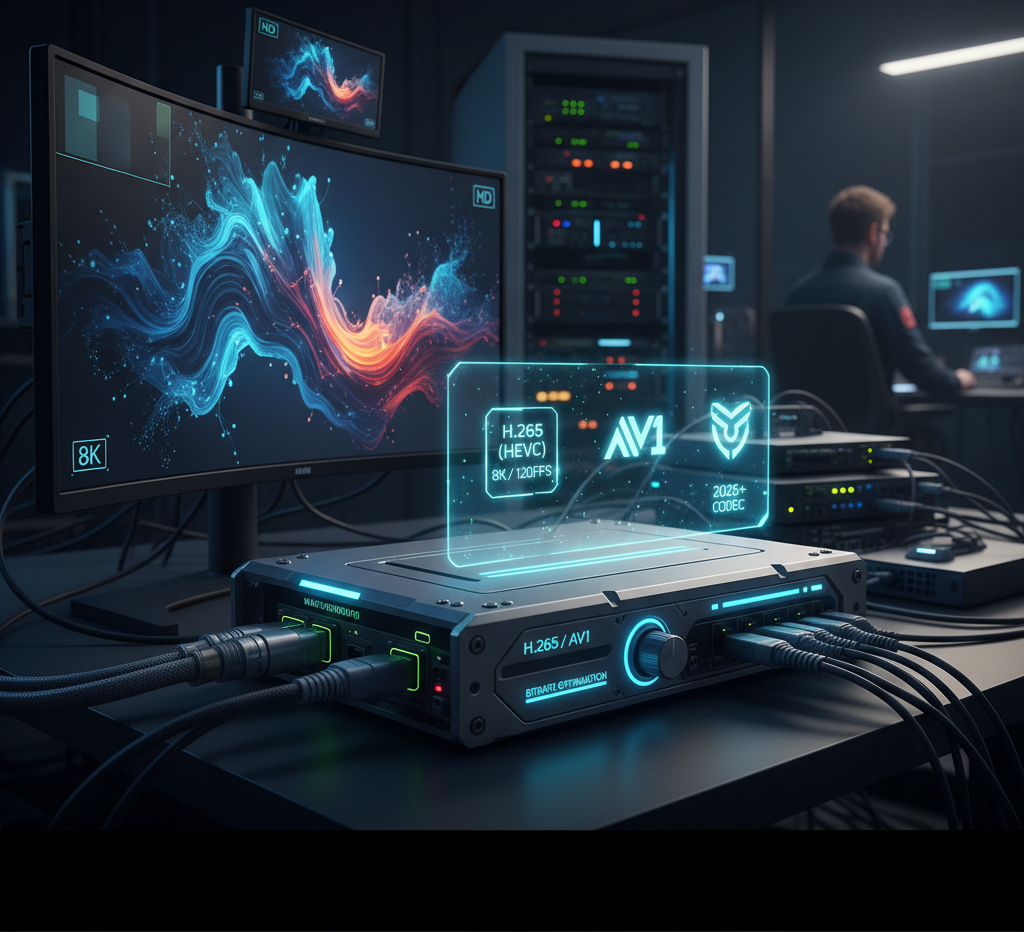
The modern ip tv encoder box is a powerhouse of technology, meticulously engineered to meet the demanding requirements of 2026’s diverse streaming ecosystem. Its features extend far beyond simple signal conversion, encompassing sophisticated processing capabilities, advanced connectivity, and robust security measures. Understanding these key specifications is crucial for selecting a device that not only meets current needs but is also future-proofed against evolving industry standards and viewer expectations. These devices are designed for continuous operation, offering unparalleled reliability and performance in professional environments.
From supporting the latest compression codecs to offering ultra-low latency performance and extensive scalability, each component and function of an encoder is optimized for efficient and high-quality content delivery. The interplay of hardware and software within the ip tv encoder box dictates its overall effectiveness, influencing everything from bandwidth consumption to the end-user’s viewing experience. Investing in a device with comprehensive features ensures operational longevity and adaptability in a rapidly changing digital landscape.
Supported Codecs: H.265 (HEVC), AV1, and Beyond in 2026
In 2026, codec support is a critical differentiator for any ip tv encoder box. H.265, also known as High Efficiency Video Coding (HEVC), remains a dominant standard, offering significantly better compression efficiency than its predecessor, H.264. This allows for the delivery of higher-quality video (e.g., 4K UHD) at substantially lower bitrates, conserving bandwidth and reducing storage costs. HEVC is widely adopted across broadcast, OTT, and enterprise applications due to its proven performance and widespread hardware acceleration support.
However, the industry is increasingly embracing AV1 (AOMedia Video 1), a royalty-free video coding format developed by the Alliance for Open Media. AV1 offers even greater compression efficiency than H.265, particularly beneficial for web-based streaming and mobile applications where bandwidth is at a premium. While adoption is still growing, a future-ready ip tv encoder box should ideally support both H.265 and AV1, or at least be firmware-upgradeable to include AV1. Emerging codecs and research into next-generation compression technologies continue, promising even greater efficiencies in the years to come.
Resolution and Frame Rate Capabilities: From HD to 8K
The resolution and frame rate capabilities of an ip tv encoder box define the visual fidelity it can deliver. In 2026, support for high definition (HD, 1080p), ultra-high definition (UHD, 4K), and increasingly 8K content is standard for professional-grade encoders. Many broadcasters and content platforms are already delivering content in 4K, and 8K adoption is gaining traction, especially for premium sports, cinematic productions, and immersive experiences. The encoder must be able to ingest, process, and output these high resolutions without compromise.
Frame rates, typically 25/30 fps for standard broadcast and 50/60 fps for smoother motion (critical for sports), are also paramount. Some specialized applications, particularly in gaming or high-speed industrial monitoring, may even demand higher frame rates. A robust ip tv encoder box will offer flexible configuration options, allowing users to choose the optimal resolution and frame rate for their specific content and target audience, balancing quality with bandwidth constraints effectively.
Optimizing Bitrate and Resolution with Your IP TV Encoder Box
Optimizing bitrate and resolution is a delicate balance that an advanced ip tv encoder box excels at. Bitrate refers to the amount of data transmitted per second, directly influencing both quality and bandwidth consumption. Higher bitrates generally yield better visual quality but require more network capacity. Effective optimization involves using adaptive bitrate (ABR) streaming, where the encoder generates multiple versions of a stream at different bitrates and resolutions.
This allows the player device to dynamically switch between streams based on the viewer’s network conditions, ensuring a continuous, high-quality experience without buffering. Modern encoders incorporate sophisticated algorithms for bitrate control (CBR, VBR, Capped VBR) and perceptual quality optimization, intelligently allocating bits to visually important areas of the frame. This ensures that even at lower bitrates, the perceived quality remains high, a testament to the advancements in ip tv encoder box technology.
Input/Output Interfaces: SDI, HDMI, NDI, SRT, and Emerging Standards
Connectivity is key, and a modern ip tv encoder box offers a wide array of input and output (I/O) interfaces to integrate seamlessly into diverse production environments. SDI (Serial Digital Interface) remains a professional standard for uncompressed video, especially in broadcast studios, ensuring high fidelity and robust long-distance cabling. HDMI (High-Definition Multimedia Interface) is common for consumer and prosumer equipment, offering digital video and audio over a single cable.
NDI (Network Device Interface) has emerged as a transformative technology by 2026, allowing video, audio, and metadata to be transmitted over standard IP networks with very low latency, significantly simplifying production workflows and reducing cabling. SRT (Secure Reliable Transport) is gaining traction as a robust, low-latency protocol for contribution and distribution over unpredictable networks, offering error correction and encryption. Future-proof encoders are also beginning to integrate support for emerging IP standards and cloud-native inputs, ensuring maximum flexibility and compatibility within the evolving media ecosystem.
Latency Considerations for Real-Time Applications
Latency, the delay between video capture and its display, is a critical factor, especially for real-time applications such as live sports broadcasting, interactive e-learning, and telemedicine. An ip tv encoder box designed for low-latency streaming minimizes this delay through optimized hardware and software. High-performance encoders can achieve sub-second or even millisecond-level latency, crucial for scenarios where immediate feedback or synchronized actions are required. This is a significant improvement over earlier generations of encoding technology.
Achieving ultra-low latency involves a combination of efficient codecs, fast processing hardware, and specialized streaming protocols like WebRTC or SRT. While some latency is inherent in any encoding and transmission process, professional encoders are engineered to reduce every possible millisecond. The choice of an ip tv encoder box with excellent latency performance can be the deciding factor for the success of interactive or time-sensitive live streaming events, directly impacting audience engagement and operational effectiveness.
Audio Encoding Standards and Multichannel Support
While video often takes center stage, high-quality audio is equally vital for an immersive viewing experience. A comprehensive ip tv encoder box supports a range of audio encoding standards, including AAC (Advanced Audio Coding), MP3, and increasingly, more advanced formats like AC-3 (Dolby Digital) and E-AC-3 (Dolby Digital Plus) for surround sound. The ability to handle multichannel audio (e.g., 5.1 or 7.1 surround sound) is becoming standard for premium content, enhancing the overall sensory experience for viewers.
Beyond standard stereo, professional encoders offer robust audio processing capabilities, including gain control, mixing, and synchronization with video. They also support embedded audio within SDI or HDMI signals, as well as separate analog or digital audio inputs (e.g., XLR, AES/EBU). The flexibility to handle diverse audio formats and configurations ensures that the audio component of the stream is as pristine and professional as the video, maintaining the integrity of the original content through the ip tv encoder box.
Scalability and Channel Density for Enterprise Solutions
For enterprise-level applications, scalability and channel density are paramount. A single ip tv encoder box might need to handle multiple simultaneous video streams from different sources. High-density encoders are designed to process many channels within a compact form factor, reducing rack space and power consumption. This is particularly beneficial for large organizations, universities, or broadcasters managing numerous internal IPTV channels or outward-facing streams.
Scalability also refers to the ease with which an encoding system can expand to accommodate future growth. This might involve adding more encoder units, integrating with cloud-based transcoding services, or leveraging virtualized encoding solutions. Modern encoders often come with centralized management interfaces, allowing administrators to configure, monitor, and control multiple units from a single dashboard, streamlining operations and ensuring efficient resource allocation across the entire streaming infrastructure.
Security Features and DRM Integration for Content Protection
Content protection is a non-negotiable aspect of professional streaming in 2026, and an advanced ip tv encoder box plays a crucial role in safeguarding valuable media assets. Encoders often incorporate robust security features, including stream encryption (e.g., AES-256) to prevent unauthorized access during transmission. This ensures that the content remains secure from the point of encoding all the way to the end-user device, protecting against piracy and illicit distribution.
Furthermore, integration with Digital Rights Management (DRM) systems (such as Widevine, PlayReady, or FairPlay) is essential for premium content. The encoder can embed DRM metadata and prepare the content for secure delivery, ensuring that only authorized viewers with appropriate licenses can access and play the content. This comprehensive approach to security and DRM, often supported directly by the ip tv encoder box, is vital for content owners to protect their intellectual property and maintain revenue streams in a highly competitive digital market. For further reading on content protection and digital rights, a resource like Wikipedia’s DRM page can provide context.
Diverse Applications of the IP TV Encoder Box in a Connected World
The versatility of the ip tv encoder box makes it an indispensable tool across a myriad of industries and applications in 2026. Its ability to transform raw video into high-quality, streamable content opens up new possibilities for communication, entertainment, education, and security. From global broadcasting networks to localized corporate training, the core function of efficient and reliable video encoding underpins critical operations. As video continues to be the dominant medium, the demand for sophisticated encoding solutions only grows.
Each sector leverages the unique capabilities of an ip tv encoder box to achieve specific objectives, whether it’s delivering live events with pristine quality, securing internal communications, or providing personalized learning experiences. The adaptability of these devices ensures they can be tailored to meet diverse technical requirements and operational scales, making them a central component of any organization embracing the power of video in the connected world of today.
Broadcasting and Live Event Streaming (Sports, News, Concerts)
In broadcasting and live event streaming, the ip tv encoder box is a cornerstone of operations. For sports, news, and concerts, it enables the real-time transmission of high-definition and even 4K/8K content from event venues to broadcast centers, CDNs, and directly to viewers’ screens. Low latency is paramount in these scenarios, especially for live sports where instantaneous updates are expected, and for news where immediacy is key. Professional encoders ensure that action is captured and delivered with minimal delay and maximum fidelity, enhancing the viewer experience.
The ability to handle multiple camera feeds, integrate with production switchers, and output various streams for different platforms (e.g., linear TV, OTT apps, social media) makes the encoder a flexible and powerful tool for broadcasters. Its reliability under continuous operation is critical, as any failure can result in significant financial losses and reputational damage for live events. The ip tv encoder box truly empowers broadcasters to reach global audiences with dynamic, engaging content.
Corporate Communications and Internal IPTV Networks
For corporations in 2026, an ip tv encoder box is vital for internal communications and establishing robust IPTV networks. Companies use these systems for live town halls, CEO addresses, employee training, and distributing internal news and information across multiple offices or global teams. By encoding video content for secure IP delivery, organizations can ensure consistent messaging, improve employee engagement, and reduce travel costs associated with large-scale meetings.
Internal IPTV networks, powered by encoders, also enable the creation of digital signage, displaying important announcements, performance metrics, or marketing content in common areas. The security features of professional encoders are particularly important here, ensuring that sensitive corporate information remains within the organizational network and is only accessible to authorized personnel. This strategic use of an ip tv encoder box enhances operational efficiency and fosters a more connected workforce.
Education and E-Learning Platforms in a Hybrid World
The education sector has undergone a profound transformation, and in 2026, hybrid learning models are prevalent. The ip tv encoder box is central to this shift, facilitating the capture and streaming of lectures, seminars, and educational content for both live and on-demand consumption. Universities and schools use encoders to broadcast classes to remote students, record lessons for future reference, and create extensive e-learning libraries accessible worldwide. This ensures continuity of education regardless of physical location.
For interactive learning, low-latency encoding is crucial, allowing for real-time Q&A sessions and collaborative discussions. Encoders also support the integration of various media sources, such as presentations, document cameras, and virtual whiteboards, into a single, cohesive stream. This technology enables educational institutions to expand their reach, offer flexible learning options, and provide high-quality educational resources to a global student body, all supported by a reliable ip tv encoder box.
Healthcare: Telemedicine, Patient Entertainment, and Training Systems
In the healthcare sector, the ip tv encoder box plays an increasingly critical role. Telemedicine, which has seen rapid acceleration, relies on secure, high-quality video for remote consultations, diagnostics, and patient monitoring. Encoders ensure that sensitive medical video data is transmitted securely and with sufficient resolution for accurate assessment, often supporting compliance with stringent privacy regulations like HIPAA. This allows healthcare providers to extend their services to remote or underserved populations.
Beyond telemedicine, encoders power in-hospital patient entertainment systems, offering personalized content and educational materials directly to patient rooms. They are also integral to medical training, enabling the live streaming of surgeries, diagnostic procedures, and classroom lectures to medical students and professionals for educational purposes. The reliability and quality offered by a professional ip tv encoder box are paramount in these life-critical applications, ensuring clear communication and effective training.
Hospitality: In-room Entertainment and Digital Signage
The hospitality industry leverages the ip tv encoder box to enhance guest experiences and streamline operations. Hotels and resorts use encoders to deliver a diverse range of in-room entertainment options, including local and international TV channels, on-demand movies, and personalized welcome messages. This creates a bespoke and modern media experience for guests, often integrating with existing hotel management systems to offer tailored content. The ability to distribute high-quality video efficiently across the hotel’s IP network is a significant advantage.
Additionally, encoders are used for digital signage throughout hotel properties, displaying information such as event schedules, restaurant menus, local attractions, and emergency alerts. This provides dynamic and easily updateable information to guests and staff. By consolidating various content sources and distributing them over an IP network, the ip tv encoder box helps hospitality venues deliver a seamless, high-tech experience that meets the expectations of today’s tech-savvy travelers.
Security and Surveillance Integration for Enhanced Monitoring
In the realm of security and surveillance, the ip tv encoder box is instrumental in transforming traditional analog CCTV systems into modern IP-based networks. By encoding analog video feeds into digital streams, it allows for centralized monitoring, remote access, and integration with advanced video analytics software. This significantly enhances the capabilities of surveillance systems, providing clearer images, more efficient storage, and greater flexibility in deployment.
For large-scale surveillance operations, such as those in smart cities, critical infrastructure, or expansive corporate campuses, encoders enable the efficient transmission of numerous camera feeds over a single IP network. This reduces cabling complexity and costs while improving scalability. The ability of the ip tv encoder box to provide reliable, continuous streaming with robust security features makes it an invaluable component for enhanced monitoring and rapid response in security applications, where every detail and second counts.
OTT and VOD Content Delivery Infrastructure
Over-The-Top (OTT) services and Video-On-Demand (VOD) platforms are mainstays of digital entertainment in 2026, and the ip tv encoder box is a critical part of their content delivery infrastructure. For OTT platforms, encoders are used to prepare live linear channels for internet distribution, often creating multiple adaptive bitrate (ABR) streams to cater to various devices and network conditions. This ensures a consistent, high-quality experience for subscribers on smart TVs, mobile phones, and web browsers.
For VOD, while much of the encoding might be done offline in large-scale transcoding farms, live-to-VOD workflows often begin with a live ip tv encoder box capturing and feeding content that is then immediately processed for on-demand availability. The encoder’s role in efficiently compressing and formatting content for diverse platforms and audiences is fundamental to the scalability and reach of major streaming services, enabling them to deliver vast libraries of content globally with optimal performance.
Benefits and Operational Considerations for Deploying an IP TV Encoder Box System
Deploying an ip tv encoder box system in 2026 offers a multitude of benefits, from enhancing content quality to achieving significant cost efficiencies. These devices are pivotal in building a robust, flexible, and future-proof video infrastructure. However, realizing these benefits requires careful consideration of various operational aspects, including network infrastructure, latency management, and integration complexities. A well-planned deployment can transform how an organization creates, manages, and distributes its video content, unlocking new opportunities for engagement and monetization.
Understanding both the advantages and the potential challenges is crucial for a successful implementation. The strategic integration of an ip tv encoder box into existing workflows can lead to improved viewer experiences, reduced operational expenses, and greater adaptability to evolving technological demands. This section will explore these benefits and considerations in detail, providing a balanced perspective for decision-makers.
Enhanced Content Quality and Viewer Experience
One of the primary benefits of a modern ip tv encoder box is its ability to deliver enhanced content quality, directly translating into a superior viewer experience. By leveraging advanced compression codecs like H.265 and AV1, and sophisticated bitrate optimization algorithms, encoders can maintain pristine visual fidelity even at reduced bitrates. This means crisper images, richer colors, and smoother motion, without the distracting artifacts often associated with lower-quality streaming.
For live content, the low-latency capabilities of professional encoders ensure that viewers experience events as close to real-time as possible, a critical factor for sports, news, and interactive broadcasts. The seamless delivery of adaptive bitrate streams means that content adjusts dynamically to network conditions, minimizing buffering and ensuring continuous playback. This commitment to quality, driven by the ip tv encoder box, is fundamental to retaining audiences and building brand loyalty in a competitive media landscape.
Cost-Effectiveness in Long-Term Operations and Maintenance
While the initial investment in a high-quality ip tv encoder box can be significant, it often proves to be highly cost-effective in the long term. The superior compression efficiency of modern encoders directly translates into reduced bandwidth costs, a major operational expense for any streaming operation. By achieving higher quality at lower bitrates, organizations can save substantially on data transfer fees, especially for large-scale or global content distribution.
Furthermore, the reliability and durability of professional-grade hardware mean lower maintenance costs and reduced downtime compared to consumer-grade alternatives or less robust software solutions. Centralized management features and remote monitoring capabilities streamline operations, requiring less manual intervention and fewer dedicated personnel. The overall operational efficiency gained from a well-chosen ip tv encoder box contributes significantly to a lower total cost of ownership over its lifespan, making it a smart financial decision.
Flexibility and Adaptability for Various Streaming Needs
The inherent flexibility and adaptability of a modern ip tv encoder box are significant advantages in the dynamic streaming environment of 2026. These devices are designed to handle a wide range of input sources (SDI, HDMI, NDI, IP streams) and output formats, making them suitable for diverse applications from traditional broadcast to cutting-edge OTT services. The ability to generate multiple simultaneous streams with different resolutions, bitrates, and codecs means a single encoder can serve various platforms and devices concurrently.
This adaptability extends to integration with various streaming protocols (RTMP, HLS, DASH, SRT) and cloud-based services for additional processing or distribution. As new standards and technologies emerge, many professional encoders offer firmware upgradeability, allowing them to evolve with the industry without requiring complete hardware replacement. This future-proofing capability ensures that the ip tv encoder box remains a versatile and relevant component of a streaming infrastructure for years to come.
Integration with Cloud-Based Workflows and Hybrid Solutions (2026 Trend)
A major trend in 2026 is the seamless integration of the ip tv encoder box with cloud-based workflows and hybrid solutions. While hardware encoders provide dedicated performance and reliability at the edge, leveraging cloud services offers unparalleled scalability, flexibility, and advanced processing capabilities. Many modern encoders are designed with APIs and native cloud connectivity, allowing them to feed directly into cloud transcoding farms, storage services, or content delivery networks (CDNs).
This hybrid approach combines the best of both worlds: the robust, low-latency performance of on-premise hardware for initial encoding with the elastic scalability and global reach of the cloud for further processing, distribution, and archiving. This allows organizations to manage peak demands efficiently, deploy global content rapidly, and reduce the need for extensive on-premise infrastructure. The synergy between the ip tv encoder box and cloud platforms represents the future of scalable and resilient content delivery.
Bandwidth Management and Network Efficiency
Effective bandwidth management and network efficiency are critical operational considerations, and the ip tv encoder box plays a central role in optimizing both. By employing advanced compression techniques, encoders significantly reduce the amount of data required to transmit high-quality video. This is particularly important for organizations with limited internet bandwidth or those looking to minimize data transfer costs, such as remote production teams or smaller educational institutions.
Features like adaptive bitrate streaming, traffic shaping, and support for efficient transport protocols (e.g., SRT) further enhance network efficiency. These capabilities allow the encoder to intelligently adapt the stream quality to available bandwidth, ensuring a stable viewing experience while making optimal use of network resources. A well-configured ip tv encoder box is therefore not just a quality enabler but also a powerful tool for strategic network resource allocation, preventing congestion and ensuring smooth operations.
Challenges: Latency Management, Network Infrastructure, and Interoperability
Despite the numerous benefits, deploying an ip tv encoder box system also presents several challenges that require careful planning. Latency management, while improved, remains a complex issue, especially for interactive or time-sensitive applications. Achieving ultra-low latency requires optimizing every link in the chain, from camera to encoder to network and player, and even then, some inherent delay is unavoidable. Mismanaging latency can lead to unsynchronized audio/video or a poor interactive experience.
Robust network infrastructure is another critical challenge. IP-based streaming demands a stable, high-bandwidth network with sufficient QoS (Quality of Service) controls to prioritize video traffic. Insufficient network capacity, unreliable connections, or poorly configured routers can lead to buffering, packet loss, and degraded stream quality. Finally, interoperability with existing systems (cameras, switchers, CDNs, playback devices) can be complex. Ensuring that the chosen ip tv encoder box integrates seamlessly with the entire ecosystem requires thorough testing and adherence to industry standards. Addressing these challenges proactively is key to a successful deployment.
Choosing the Right IP TV Encoder Box for Your Needs in 2026
Selecting the appropriate ip tv encoder box in 2026 is a strategic decision that can significantly impact the success and efficiency of your video streaming operations. With a wide array of options available, ranging in features, performance, and price, a thorough evaluation process is essential. The right choice will align perfectly with your specific use case, budget, and long-term growth objectives, ensuring that your investment provides maximum value and remains relevant as technology evolves. This section will guide you through the critical factors to consider during your selection process.
It’s not merely about finding the most powerful encoder, but rather the most suitable one that offers the optimal balance of features, reliability, and cost-effectiveness for your unique requirements. Careful consideration of codec support, scalability, vendor reputation, and integration capabilities will help you navigate the complexities of the market and make an informed decision for your streaming future.
Assessing Your Specific Use Case and Requirements
The first and most crucial step in choosing an ip tv encoder box is a comprehensive assessment of your specific use case and requirements. Are you broadcasting live sports, conducting corporate training, or streaming educational content? Each application has different demands regarding latency, resolution, reliability, and security. For example, live sports require ultra-low latency and high frame rates, while on-demand corporate training might prioritize high-quality archival and robust DRM.
Consider the types of input signals you’ll be using (SDI, HDMI, NDI), the number of simultaneous streams needed, and your target audience’s devices and network conditions. Document your current infrastructure, future growth plans, and any specific compliance or security mandates. A clear understanding of these needs will narrow down your options significantly and help you focus on encoders that truly meet your operational demands, ensuring the selected ip tv encoder box is fit for purpose.
Evaluating Codec Support and Future-Proofing for Longevity
Codec support is a paramount consideration for future-proofing your ip tv encoder box. While H.264 is still prevalent, H.265 (HEVC) offers superior compression and is essential for 4K and 8K content. Increasingly, AV1 is gaining traction, particularly for web-based and mobile streaming, due to its royalty-free status and even greater efficiency. Ensure the encoder supports the codecs relevant to your current distribution channels and, ideally, offers support for emerging codecs either natively or via firmware upgrades.
Future-proofing also involves looking at the encoder’s ability to handle higher resolutions and frame rates that may become standard in the coming years. Investing in an ip tv encoder box that can scale to 4K or 8K, even if you’re currently streaming in HD, can save significant costs down the line by avoiding premature equipment replacement. Longevity is about choosing a device that can adapt to technological advancements without becoming obsolete too quickly, ensuring your investment remains valuable.
Budget vs. Performance: Finding the Sweet Spot
Balancing budget with performance is a perennial challenge when selecting an ip tv encoder box. High-end professional encoders offer unparalleled performance, reliability, and advanced features, but come with a significant price tag. Conversely, more affordable options might compromise on features, scalability, or long-term durability. It’s crucial to define your budget clearly but also to understand the potential hidden costs of opting for a cheaper, less capable device.
Consider the total cost of ownership, which includes not just the purchase price but also bandwidth savings, maintenance, potential downtime, and the cost of replacing equipment sooner. Sometimes, a slightly higher initial investment in a robust ip tv encoder box can lead to greater savings and fewer headaches over several years. Identify the minimum performance requirements you need and then explore options that offer the best value within your budgetary constraints, without sacrificing essential capabilities.
Vendor Reputation and Technical Support in a Global Market
In a global market, the reputation of the vendor and the quality of their technical support are critical factors often overlooked. A reputable vendor typically offers proven products, rigorous testing, and a commitment to ongoing development and firmware updates. Research customer reviews, industry accolades, and case studies to gauge a vendor’s standing. A strong vendor will have a track record of reliability and innovation, particularly in the specialized field of an ip tv encoder box.
Excellent technical support is invaluable, especially when dealing with complex streaming technologies. Look for vendors that offer comprehensive documentation, responsive customer service, and readily available expert assistance for troubleshooting, configuration, and integration challenges. In a 24/7 streaming environment, quick and effective support can be the difference between a minor hiccup and a major outage. Prioritize vendors who stand behind their products and provide robust post-sales assistance.
Scalability and Expansion Options for Growth
As your streaming needs evolve, the ability to scale your encoding infrastructure is paramount. Consider the scalability and expansion options offered by the ip tv encoder box. Can the system easily accommodate additional channels or higher resolutions in the future? Some encoders are modular, allowing for the addition of expansion cards or units. Others are designed to integrate seamlessly with cloud-based scaling solutions, offering elastic capacity on demand.
Evaluate whether the encoder can be part of a larger, unified management system, allowing you to control multiple devices from a central interface. This is crucial for growing organizations that anticipate increasing their streaming volume or diversifying their content offerings. Choosing a scalable ip tv encoder box ensures that your initial investment can grow with your business, avoiding the need for costly and disruptive wholesale replacements as your requirements expand.
Compatibility with Existing Infrastructure and Ecosystems
Ensuring that the chosen ip tv encoder box is compatible with your existing infrastructure and ecosystem is a non-negotiable step. This includes compatibility with your cameras, production switchers, audio mixers, content delivery networks (CDNs), and playback devices. Check for support of standard input/output interfaces (SDI, HDMI, NDI, IP), streaming protocols (RTMP, HLS, DASH, SRT), and management APIs that can integrate with your existing control systems.
Incompatibility can lead to significant integration challenges, requiring costly workarounds or even the replacement of other perfectly functional equipment. Request detailed technical specifications and, if possible, conduct compatibility testing before making a final purchase. A well-integrated ip tv encoder box minimizes deployment friction, maximizes efficiency, and leverages your existing technology investments, streamlining your entire workflow. This careful consideration prevents unforeseen technical hurdles.
Considering Managed Services vs. On-Premise Solutions
Finally, deciding between a fully managed encoding service and an on-premise ip tv encoder box solution is a critical strategic choice in 2026. Managed services offload the complexities of hardware, software, and infrastructure management to a third-party provider. This can be appealing for organizations without dedicated IT or broadcast engineering teams, offering predictable costs, scalability, and access to the latest technologies without significant capital expenditure.
On-premise solutions, using your own ip tv encoder box hardware, provide greater control, customization, and often lower latency, especially for mission-critical applications where data security or specific performance requirements are paramount. They do, however, require dedicated personnel, maintenance, and capital investment. The choice depends on your organization’s technical capabilities, budget, security requirements, and desired level of control. A hybrid approach, combining on-premise encoders with cloud-based distribution, is also a popular and effective strategy for many enterprises.
Installation, Configuration, and Troubleshooting Your IP TV Encoder Box
Successfully deploying an ip tv encoder box involves more than just selecting the right hardware; it requires careful planning, precise installation, meticulous configuration, and proactive troubleshooting. Even the most advanced encoder will underperform if not set up correctly, leading to suboptimal stream quality, connectivity issues, or even complete operational failures. This section provides a practical guide to the essential steps for getting your encoder up and running efficiently in 2026, ensuring you maximize its potential.
From preparing your network to navigating the web interface and understanding common issues, these guidelines are designed to help users of all experience levels achieve a stable and high-quality streaming output. Adhering to best practices for installation and maintenance will significantly extend the lifespan and reliability of your ip tv encoder box, safeguarding your investment and ensuring continuous, high-performance content delivery.
Pre-Installation Checklist and Network Preparation
Before physically installing your ip tv encoder box, thorough pre-installation planning and network preparation are essential. First, confirm you have all necessary cables (SDI, HDMI, Ethernet, power) and that they are of appropriate length and quality. Verify power availability and ensure proper grounding. Crucially, prepare your network: allocate a static IP address for the encoder, configure firewall rules to allow necessary ports for streaming protocols (e.g., RTMP, HLS, SRT), and ensure sufficient bandwidth is available on your local network and internet connection.
Perform a network speed test to confirm upload speeds meet or exceed your planned bitrate requirements, especially for multiple simultaneous streams. If using QoS (Quality of Service) on your router or switch, configure it to prioritize video traffic from the encoder. Having a detailed network diagram and knowing your network topology will greatly assist in a smooth setup and future troubleshooting. This proactive approach ensures a stable foundation for your ip tv encoder box.
Physical Installation and Connectivity Best Practices
The physical installation of your ip tv encoder box should follow best practices to ensure optimal performance and longevity. Mount rack-mountable units securely in a well-ventilated server rack to prevent overheating, which can degrade performance and shorten lifespan. Connect your video source(s) to the appropriate input ports (SDI, HDMI, etc.) using high-quality, shielded cables to minimize signal interference. Ensure audio inputs are also correctly connected and synchronized with video.
Connect the encoder to your network via an Ethernet cable, preferably to a gigabit port on a reliable switch. Avoid using Wi-Fi for professional streaming due to its inherent instability and potential for latency and packet loss. Finally, connect the power supply securely. Double-check all connections to ensure they are firm and correctly seated. A clean and organized physical installation minimizes potential points of failure and simplifies future maintenance or upgrades for the ip tv encoder box.
Initial Configuration and Web Interface Navigation
Once physically installed, the next step is the initial configuration of your ip tv encoder box, typically done via a web-based interface. Access the encoder’s web UI by entering its default or pre-configured IP address into a web browser. Log in using the default credentials (which should be immediately changed for security). The web interface usually provides a dashboard with status information and navigation menus for various settings.
Begin by setting the correct network parameters, including the static IP address, subnet mask, gateway, and DNS servers. Then, navigate to the video input settings to detect and configure your source signal (resolution, frame rate, color space). Similarly, configure audio input settings. Familiarize yourself with the layout of the web interface, as this will be your primary tool for managing the ip tv encoder box. Many manufacturers provide detailed user manuals, which are invaluable during this stage.
Setting Up Encoding Profiles and Stream Parameters
Setting up encoding profiles and stream parameters is where you define the characteristics of your output video streams. Within the encoder’s web interface, you’ll typically find sections for creating or modifying encoding profiles. Here, you will select the desired video codec (H.264, H.265, AV1), resolution, frame rate, and bitrate. For adaptive bitrate (ABR) streaming, you will create multiple profiles, each with different quality settings (e.g., 1080p at 5Mbps, 720p at 2.5Mbps, 480p at 1Mbps).
Configure audio parameters, including codec (AAC, MP3), bitrate, and channels. Next, define your streaming output settings, selecting the protocol (RTMP, HLS, DASH, SRT, NDI) and entering the destination URL and stream key provided by your CDN or streaming platform. Pay close attention to keyframe intervals, GOP structure, and B-frame settings, as these impact efficiency and compatibility. Test each stream thoroughly after configuration to ensure proper delivery from the ip tv encoder box to the destination.
Monitoring and Analytics Tools for Performance Tracking
Effective monitoring and analytics are crucial for ensuring the continuous, optimal performance of your ip tv encoder box. Most professional encoders include built-in monitoring tools within their web interface, providing real-time data on CPU usage, memory, temperature, input signal status, output stream health, and network statistics (bitrate, packet loss). Regularly checking these metrics helps identify potential issues before they impact your stream.
Beyond the encoder’s internal tools, integrate with external monitoring and analytics platforms provided by your CDN or a third-party service. These platforms offer comprehensive insights into viewer engagement, stream quality across different geographical regions, device types, and network conditions. By tracking these analytics, you can make informed decisions about adjusting encoding profiles, optimizing network delivery, and improving the overall viewer experience. Proactive monitoring ensures the reliability and efficiency of your ip tv encoder box.
Common Troubleshooting Scenarios and Solutions
Even with careful setup, you may encounter common troubleshooting scenarios with your ip tv encoder box. If there’s no input signal, check cable connections, verify the source device is powered on and outputting video, and ensure the encoder’s input settings match the source. For “no stream output,” confirm the destination URL and stream key are correct, check firewall rules, and verify network connectivity to your CDN.
Buffering or pixelation often points to insufficient bandwidth (either upload from the encoder or download for viewers), incorrect bitrate settings, or network congestion. Try reducing the stream bitrate or checking your internet connection. Audio/video sync issues usually require adjusting audio delay settings within the encoder or source device. For persistent problems, consult the encoder’s manual, vendor support, or utilize diagnostic logs provided by the ip tv encoder box. A systematic approach to troubleshooting is key to quickly resolving issues and maintaining uptime.
Firmware Updates and Maintenance Best Practices
Regular firmware updates and adherence to maintenance best practices are vital for the long-term reliability and security of your ip tv encoder box. Manufacturers frequently release firmware updates to introduce new features, improve performance, address bugs, and patch security vulnerabilities. Always back up your configuration settings before performing a firmware update, and follow the manufacturer’s instructions carefully. Schedule updates during off-peak hours to minimize disruption.
Routine maintenance includes periodically checking physical connections, ensuring adequate ventilation around the encoder, and cleaning dust from cooling vents. Monitor the encoder’s internal temperature, if reported, to prevent overheating. Regularly review system logs for errors or warnings and address them promptly. Implementing these maintenance practices ensures that your ip tv encoder box remains secure, performs optimally, and continues to deliver high-quality streams reliably over its operational lifespan, preventing unexpected failures.
The Future Landscape: Emerging Technologies Impacting the IP TV Encoder Box
The trajectory of video technology is one of relentless innovation, and the ip tv encoder box is poised to evolve dramatically in the coming years. As we look beyond 2026, several emerging technologies are set to redefine how video is encoded, processed, and delivered, pushing the boundaries of efficiency, quality, and immersive experiences. These advancements promise to make streaming more intelligent, more accessible, and more environmentally friendly. Staying abreast of these trends is crucial for anyone planning a future-proof video infrastructure.
From artificial intelligence optimizing compression to the decentralization of content delivery, the future ip tv encoder box will be an even more sophisticated and integrated component of the media ecosystem. These innovations will not only enhance performance but also unlock new possibilities for content creation and distribution, transforming the way we interact with digital media and solidifying the encoder’s role as a core innovation driver.
AI and Machine Learning for Automated Encoding and Optimization
Artificial Intelligence (AI) and Machine Learning (ML) are rapidly transforming various aspects of video processing, and their impact on the ip tv encoder box will be profound. By 2026 and beyond, AI will increasingly be used for automated encoding and optimization. ML algorithms can analyze video content in real-time, identifying complex scenes, motion, and visual importance to intelligently allocate bits, leading to even greater compression efficiency without sacrificing perceived quality. This means a more optimized stream at a lower bitrate, further reducing bandwidth requirements.
AI can also automate adaptive bitrate (ABR) ladder creation, dynamically adjusting encoding parameters based on content complexity rather than static profiles. Furthermore, ML can predict network conditions and viewer behavior to preemptively adjust stream delivery, minimizing buffering and enhancing the overall quality of experience. The future ip tv encoder box will feature integrated AI capabilities, making encoding decisions smarter, faster, and more efficient, requiring less manual intervention and achieving superior results.
The Rise of Cloud Encoding and Hybrid Architectures
While on-premise ip tv encoder box solutions remain critical for low-latency and high-density applications, the rise of cloud encoding is undeniable. Cloud-based encoding services offer unparalleled scalability, allowing content creators to spin up vast transcoding resources on demand without significant capital investment. This is particularly beneficial for large-scale VOD libraries or events with unpredictable audience sizes. Hybrid architectures, combining the strengths of both, will become even more prevalent.
In a hybrid model, an on-premise ip tv encoder box captures and performs initial high-quality, low-latency encoding at the source, then feeds these streams to cloud services for further transcoding into multiple ABR profiles, packaging, and global distribution. This approach leverages the best of both worlds: dedicated hardware for critical edge processing and the elastic, global reach of the cloud for distribution. The integration between hardware encoders and cloud platforms will become more seamless, driven by open APIs and standardized protocols, creating a highly flexible and resilient content delivery ecosystem.
Next-Generation Codecs and Immersive Experiences (VR/AR/XR)
The quest for ever-greater compression efficiency and support for new visual formats will drive the development of next-generation codecs beyond H.265 and AV1. These new codecs will be essential for enabling truly immersive experiences such as Virtual Reality (VR), Augmented Reality (AR), and Extended Reality (XR). These formats demand extremely high resolutions, wide fields of view, and very low latency to prevent motion sickness and create a convincing sense of presence.
Future ip tv encoder box devices will need to support these specialized codecs and encoding techniques tailored for 360-degree video, volumetric capture, and foveated rendering, where only the user’s gaze is rendered in high detail. The processing power and algorithmic sophistication required will push the boundaries of current hardware, leading to specialized encoder units optimized for these demanding, next-gen immersive applications. The evolution of encoding is directly tied to the future of how we experience digital content.
Ultra-Low Latency Streaming Protocols (SRT, WebRTC Evolution)
The demand for real-time interaction and synchronous experiences will accelerate the evolution and adoption of ultra-low latency streaming protocols. SRT (Secure Reliable Transport) has already established itself as a robust solution for contribution and distribution over unpredictable networks, offering error correction and encryption. Its adoption will continue to grow, with future iterations offering even greater efficiency and lower latency.
WebRTC (Web Real-Time Communication), originally designed for peer-to-peer browser-based communication, is also seeing significant advancements for large-scale, low-latency streaming. Its evolution will enable more robust and scalable real-time interactive applications, from live sports betting to interactive e-learning and remote collaboration. Future ip tv encoder box solutions will natively support these evolving protocols, providing optimized hardware acceleration for their specific demands, further closing the gap between live event and real-time interaction.
Edge Computing and Decentralized Content Delivery Networks
Edge computing will play an increasingly significant role in content delivery, bringing processing power closer to the end-users and sources. This trend impacts the ip tv encoder box by enabling decentralized content delivery networks (CDNs). Instead of routing all content through centralized data centers, edge encoders can process and cache content at local network nodes, reducing latency and bandwidth consumption on the core network. This is particularly beneficial for large-scale live events or regions with limited central infrastructure.
A smart ip tv encoder box at the edge could perform initial encoding, ABR packaging, and even serve cached content directly to local audiences, significantly improving performance and reliability. This decentralized approach enhances resilience against network outages and reduces the load on central servers, leading to a more efficient and responsive content delivery ecosystem. Edge computing will empower encoders with more intelligence and autonomy, transforming them into powerful mini-CDNs.
Sustainability in Encoding: Energy Efficiency and Green Technologies
As the digital footprint of streaming grows, sustainability in encoding will become a critical focus. The energy consumption of data centers and encoding hardware is substantial, prompting a push towards more energy-efficient solutions. Future ip tv encoder box designs will prioritize green technologies, focusing on lower power consumption per stream, efficient cooling systems, and the use of sustainable materials. Manufacturers will face increasing pressure to report on the environmental impact of their products.
Innovations in codec design that achieve higher compression with less computational effort will contribute to energy savings. Furthermore, the intelligent use of cloud resources, powering down unused instances, and optimizing server utilization will be key. The development of encoding hardware that can dynamically adjust its power consumption based on workload will also contribute significantly. The future ip tv encoder box will not only be powerful and efficient but also environmentally conscious, aligning with global sustainability goals.
Conclusion: The Future of Content Delivery with the IP TV Encoder Box
Recap of the IP TV Encoder Box’s Indispensable Role in 2026
As we conclude, it’s clear that the ip tv encoder box remains an indispensable and evolving component of the digital content delivery landscape in 2026. From its humble beginnings converting analog signals, it has transformed into a sophisticated, high-performance device capable of handling 4K and 8K resolutions, supporting advanced codecs like H.265 and AV1, and integrating seamlessly into complex cloud and hybrid workflows. Its core function of transforming raw video into streamable, high-quality content is more critical than ever, underpinning everything from global broadcasting to localized corporate communications and immersive e-learning platforms.
The versatility, efficiency, and reliability offered by modern encoders are foundational to meeting the ever-increasing demands for superior viewer experiences and robust content protection. Whether it’s for ultra-low latency live events, secure telemedicine, or scalable OTT delivery, the ip tv encoder box is the silent workhorse that ensures content reaches its audience with pristine quality and minimal delay. Its continued evolution is a testament to its central importance in a world increasingly defined by video.
Key Takeaways for Businesses and Content Creators
For businesses and content creators navigating the complexities of 2026’s media environment, several key takeaways emerge regarding the ip tv encoder box. First, prioritize future-proofing your investment by selecting encoders that support next-generation codecs (H.265, AV1) and higher resolutions (4K, 8K), even if your current needs are more modest. This foresight will prevent costly premature upgrades. Second, recognize the critical role of low latency and superior quality in maintaining viewer engagement and brand reputation, particularly for live and interactive content.
Third, embrace hybrid solutions that combine the reliability of on-premise hardware with the scalability and flexibility of cloud encoding. This approach offers the best of both worlds. Fourth, do not overlook the importance of robust security features and DRM integration to protect your valuable content. Finally, invest in vendors with strong reputations and excellent technical support, as reliable post-sales assistance is invaluable in a 24/7 streaming operation. These strategies will ensure your ip tv encoder box contributes positively to your long-term success.
Anticipating Continued Innovation and Evolution in Streaming Technology
The journey of streaming technology is far from over, and we can anticipate continued innovation and evolution in the years to come. The ip tv encoder box will remain at the forefront of this transformation, driven by advancements in AI and machine learning for automated optimization, the development of even more efficient codecs, and the integration of immersive experiences like VR/AR. Ultra-low latency protocols will continue to evolve, enabling truly real-time interactive applications that blur the lines between virtual and physical presence.
Furthermore, the shift towards edge computing and decentralized content delivery will reshape how content is processed and distributed, bringing intelligence closer to the source and the viewer. Sustainability will also become a major design principle, with a focus on energy efficiency and green technologies. These continuous innovations promise to make streaming even more powerful, accessible, and environmentally responsible, constantly redefining the capabilities of the ip tv encoder box.
Final Thoughts on Maximizing Your Streaming Potential
Maximizing your streaming potential in 2026 hinges on a strategic understanding and deployment of your encoding infrastructure. The ip tv encoder box is not just a piece of hardware; it is a critical enabler of your content strategy, directly influencing quality, reach, and viewer satisfaction. By carefully assessing your needs, investing in a future-proof solution, and adhering to best practices for installation and maintenance, you can build a robust and efficient streaming ecosystem.
Embrace the emerging technologies, leverage the power of hybrid cloud solutions, and prioritize security and quality at every step. The right ip tv encoder box empowers you to deliver exceptional experiences, engage your audience, and unlock new opportunities in the dynamic world of digital media. Its role in shaping the future of content delivery is undeniable, making it an essential tool for any forward-thinking organization.