Introduction: The Rise of AI Derm in Modern Dermatology
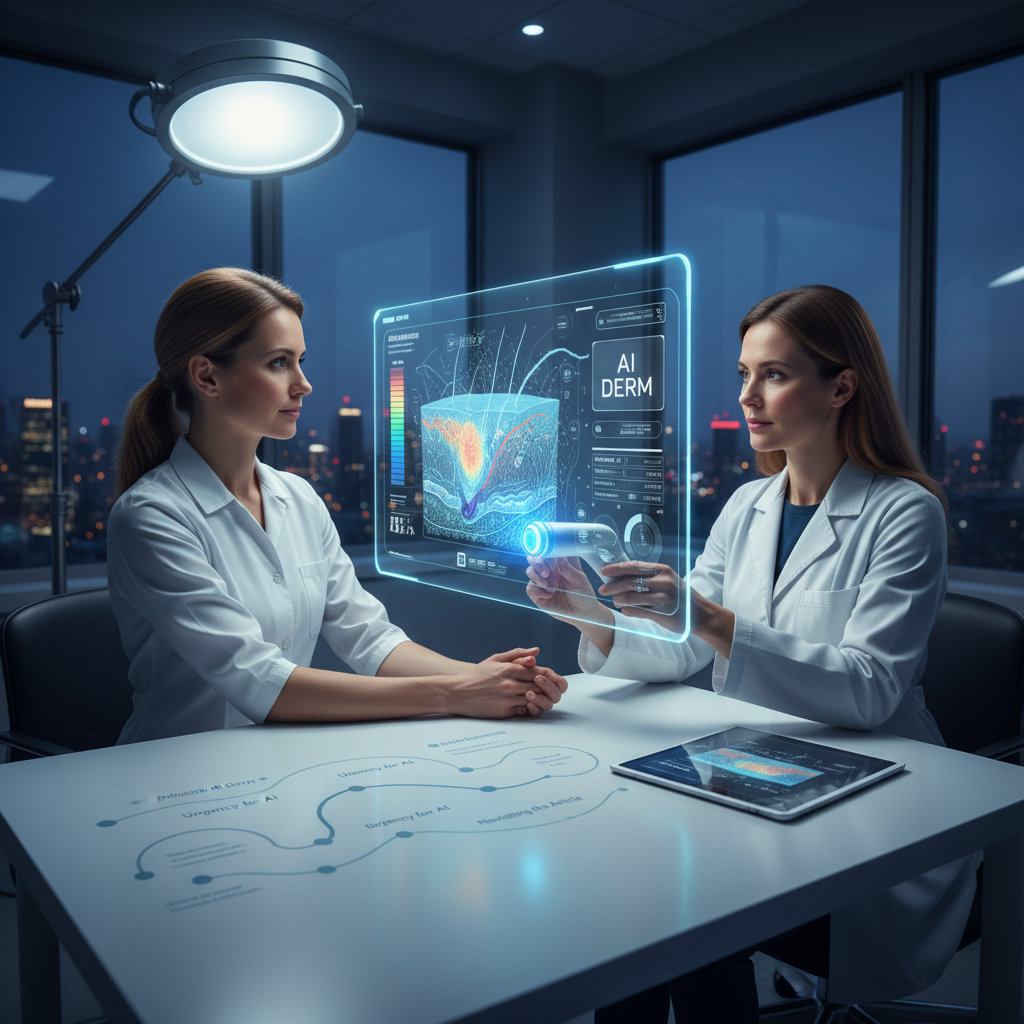
The landscape of healthcare is undergoing a profound transformation, with artificial intelligence leading the charge in numerous specialties. By 2026, one of the most impactful areas witnessing this revolution is dermatology, where advanced algorithms are redefining diagnosis, treatment, and patient care. This burgeoning field, often referred to as ai derm, represents the integration of AI technologies, particularly deep learning and computer vision, into dermatological practice to enhance efficiency, accuracy, and accessibility.
The journey of AI in dermatology began over a decade ago with nascent image recognition capabilities. Today, in 2026, it has matured into sophisticated systems capable of analyzing complex visual data, predicting disease progression, and even assisting in drug discovery. The global market for AI in healthcare continues its exponential growth, with AI derm solutions emerging as a significant segment, driven by both technological advancements and pressing healthcare needs worldwide. This article will delve into the multifaceted aspects of this critical innovation.
Defining AI Derm: What it is and how it works in 2026
AI derm, at its core, refers to the application of artificial intelligence, machine learning, and especially deep learning algorithms, to various tasks within dermatology. This includes automated image analysis of skin lesions, predictive modeling for disease outbreaks, personalized treatment recommendations, and even patient-facing diagnostic tools. In 2026, AI derm systems leverage vast datasets of dermatological images, clinical records, and genetic information to train neural networks.
These highly trained models can then identify patterns imperceptible to the human eye, distinguishing between benign and malignant lesions with remarkable accuracy. The workflow typically involves a patient’s skin condition being captured via high-resolution cameras, dermoscopes, or even smartphone applications. This image data is then fed into an AI derm algorithm, which processes it, compares it against its learned knowledge base, and provides a probability score or classification for various dermatological conditions.
Beyond simple classification, advanced AI derm platforms in 2026 are capable of feature extraction, lesion segmentation, and even generating synthetic images for training purposes. They integrate seamlessly with electronic health records (EHRs), allowing for a holistic view of patient health and enabling continuous learning from real-world clinical outcomes. The goal is not to replace dermatologists but to augment their capabilities, providing an invaluable second opinion and streamlining workflows.
The Urgency for AI in Dermatology: Addressing global skin health challenges
The need for AI derm solutions is more pressing than ever in 2026, driven by several global skin health challenges. Firstly, there’s a significant shortage of dermatologists, particularly in rural and underserved areas, leading to long wait times for appointments and delayed diagnoses. Skin conditions, ranging from common acne to life-threatening melanoma, affect billions worldwide, and early detection is often crucial for effective treatment and improved prognosis.
Secondly, the sheer volume of dermatological cases presents an enormous burden on healthcare systems. Primary care physicians often lack specialized training in dermatology, making accurate initial screening challenging. AI derm offers a scalable solution, capable of extending specialist-level diagnostic capabilities to a broader population, thereby reducing the burden on specialists and facilitating earlier intervention for critical conditions like skin cancer.
Furthermore, the increasing prevalence of certain skin diseases due to environmental factors and an aging global population underscores the urgency. AI derm provides a powerful tool to manage this growing demand, making quality dermatological care more accessible, affordable, and efficient for everyone, everywhere. It’s a critical component in the strategy to achieve equitable global health outcomes.
Navigating the Article: A comprehensive look at AI’s impact
This article will provide a comprehensive exploration of AI derm, delving into its current applications, underlying technologies, and future potential. We will examine how AI is currently revolutionizing diagnosis and treatment, from accelerated cancer detection to personalized medicine. The technological backbone, including deep learning and vast datasets, will be thoroughly discussed.
Subsequently, we will explore the tangible benefits and inherent challenges associated with integrating AI derm into clinical practice, addressing regulatory, ethical, and privacy concerns. Real-world applications and inspiring success stories will highlight its current impact, followed by a forward-looking perspective on what the future holds for AI in dermatology. Our aim is to provide a holistic view of this transformative technology.
How AI is Revolutionizing Diagnosis and Treatment in Dermatology Today
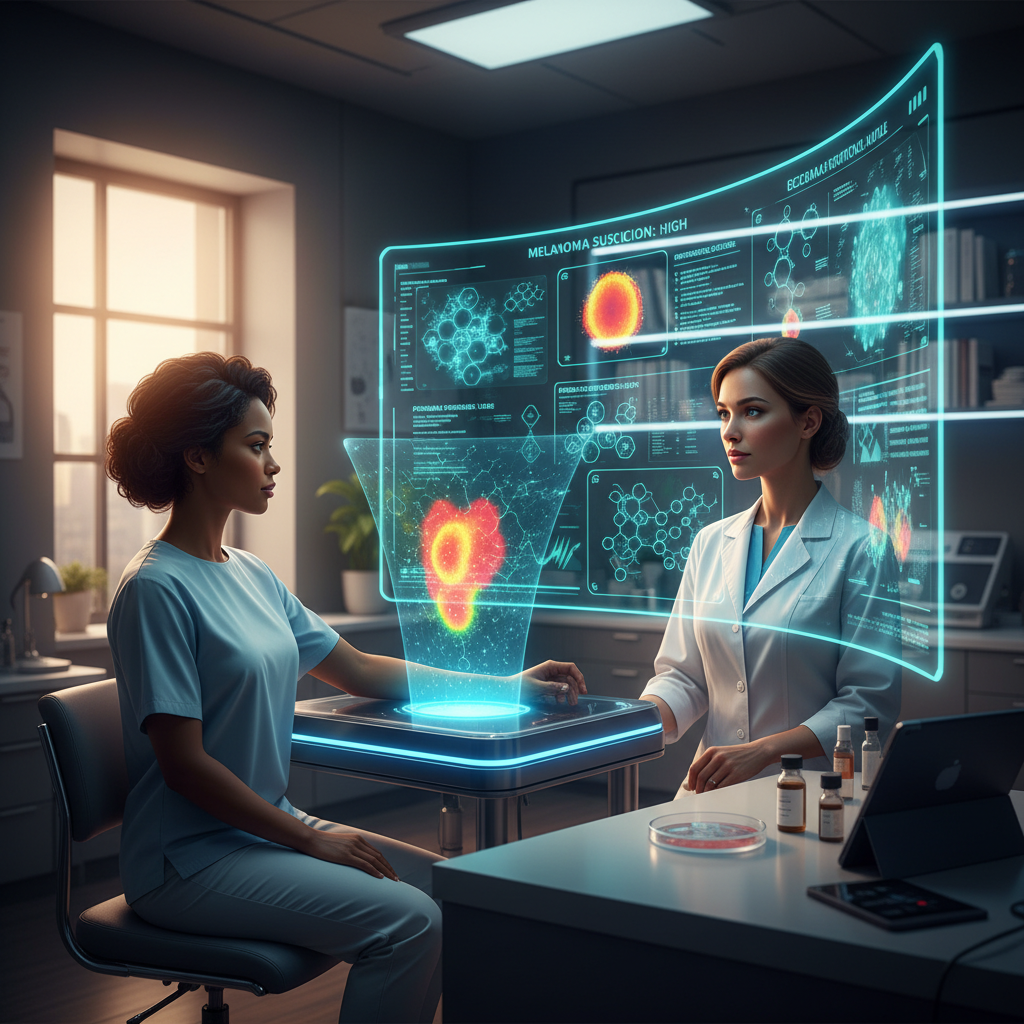
In 2026, AI derm is no longer a futuristic concept but a vital component in modern dermatological practice, significantly enhancing both diagnostic accuracy and treatment efficacy. Its capabilities span across various stages of patient care, offering unprecedented speed and precision. The integration of AI tools is fundamentally reshaping how dermatologists approach complex cases and manage patient populations.
From the initial screening of suspicious lesions to the long-term monitoring of chronic conditions, AI derm provides intelligent assistance that was unimaginable just a few years ago. This section will elaborate on the specific ways AI is driving this revolution, illustrating its practical applications in today’s clinical settings. The impact is felt daily, improving patient outcomes and streamlining healthcare delivery.
Accelerated Detection of Melanoma and other Skin Cancers
One of the most critical applications of AI derm is in the early detection of skin cancers, particularly melanoma. Malignant melanoma, if caught early, has a high survival rate, but late diagnosis can be fatal. AI systems, trained on millions of dermoscopic images, can analyze lesions with a speed and consistency that surpasses human capabilities, often identifying subtle indicators of malignancy that might be missed by the untrained eye.
In 2026, several FDA-approved AI derm devices are on the market, assisting dermatologists in triaging suspicious moles. These tools provide a risk score, helping clinicians prioritize which lesions require immediate biopsy and which can be safely monitored. This not only accelerates diagnosis but also reduces unnecessary biopsies, saving both time and resources. The precision of AI derm in this domain is a game-changer.
Beyond melanoma, AI is also proving highly effective in detecting other common skin cancers like basal cell carcinoma (BCC) and squamous cell carcinoma (SCC). By automating the initial screening process, AI derm allows dermatologists to focus their expertise on complex cases and treatment planning, optimizing their valuable time and significantly improving patient pathways for cancer care. This is a crucial advancement for public health.
Enhanced Precision in Identifying Common Skin Conditions (e.g., Acne, Eczema, Psoriasis)
While cancer detection often garners the most attention, AI derm is equally transformative in diagnosing and managing common, chronic skin conditions. Conditions such as acne, eczema (atopic dermatitis), and psoriasis affect a vast number of people globally, significantly impacting their quality of life. Accurate diagnosis is the first step towards effective management, and AI offers unparalleled precision here.
AI algorithms can analyze skin images to classify different types and severities of acne, distinguishing between inflammatory and non-inflammatory lesions, and recommending appropriate treatment strategies. For eczema and psoriasis, AI derm can assess lesion morphology, distribution, and redness, helping clinicians monitor disease activity and evaluate treatment response over time. This leads to more consistent and personalized care.
Furthermore, AI derm tools are increasingly being integrated into patient-facing apps, allowing individuals to track their conditions at home and share data with their dermatologists. This empowers patients and facilitates proactive management, reducing flare-ups and improving long-term outcomes. The ability of AI to provide objective, consistent assessments is invaluable for these often subjective conditions.
AI-Powered Drug Discovery and Personalized Treatment Protocols
The impact of AI derm extends far beyond diagnostics, reaching into the realm of drug discovery and personalized medicine. In 2026, AI algorithms are accelerating the identification of novel therapeutic compounds for dermatological diseases by analyzing vast chemical libraries and biological pathways. They can predict drug efficacy, potential side effects, and optimal dosages with greater accuracy than traditional methods, significantly shortening the drug development cycle.
For personalized treatment, AI derm platforms integrate a patient’s genetic profile, lifestyle data, medical history, and specific disease characteristics to recommend highly tailored treatment protocols. For example, for a patient with severe psoriasis, an AI might analyze their genetic markers to suggest specific biologics most likely to be effective, minimizing trial-and-error and improving patient response rates. This level of customization is revolutionizing chronic disease management.
This personalized approach, powered by AI derm, moves away from a one-size-fits-all model, leading to more effective treatments, reduced adverse events, and higher patient satisfaction. The ability to predict how a patient might respond to a particular therapy based on their unique biological makeup is a monumental leap forward in dermatological care. It truly embodies the promise of precision medicine.
Predictive Analytics for Disease Progression and Patient Outcomes
Beyond current diagnosis, AI derm is excelling in predictive analytics, offering insights into the future trajectory of skin diseases and patient outcomes. By analyzing longitudinal data, including historical lesion changes, treatment responses, and environmental factors, AI models can forecast disease progression. For instance, AI can predict which benign moles are more likely to transform into melanoma over time, enabling proactive monitoring.
For chronic conditions like rosacea or hidradenitis suppurativa, AI derm can predict flare-ups, allowing patients and clinicians to intervene early and prevent severe exacerbations. This proactive approach significantly improves quality of life and reduces the need for emergency interventions. The predictive capabilities extend to treatment outcomes, where AI can estimate the likelihood of success for a given therapy based on a patient’s individual profile.
These predictive insights empower both patients and healthcare providers to make more informed decisions, optimizing long-term care strategies and resource allocation. The ability to anticipate future health needs is a cornerstone of preventative medicine, and AI derm is at the forefront of delivering this capability within dermatology. This shift from reactive to proactive care is a major benefit.
Real-time Monitoring with Smart Devices and Telehealth Integration
The advent of smart devices and the widespread adoption of telehealth in 2026 have created fertile ground for real-time monitoring powered by AI derm. Wearable devices equipped with specialized cameras and sensors can continuously track skin changes, temperature, and hydration levels. These devices can alert users or their dermatologists to potential issues before they become severe.
Telehealth platforms are increasingly integrating AI derm capabilities, allowing patients to upload images of their skin conditions for initial assessment. AI algorithms can then triage these cases, identifying urgent situations that require immediate specialist attention, or providing preliminary diagnoses for common ailments. This significantly reduces geographical barriers to care and improves access for remote populations.
For instance, a patient in a rural area can use a smartphone app, enhanced with AI derm, to photograph a suspicious lesion. The AI analyzes the image, provides a preliminary risk assessment, and securely transmits the data to a dermatologist, who can then review it and decide on the next steps, often without the need for an in-person visit. This seamless integration makes dermatological care more accessible and convenient than ever before. For more on the benefits of telehealth, see this related article on telehealth innovations.
The Technology Powering AI Derm: Algorithms, Data, and Advanced Imaging
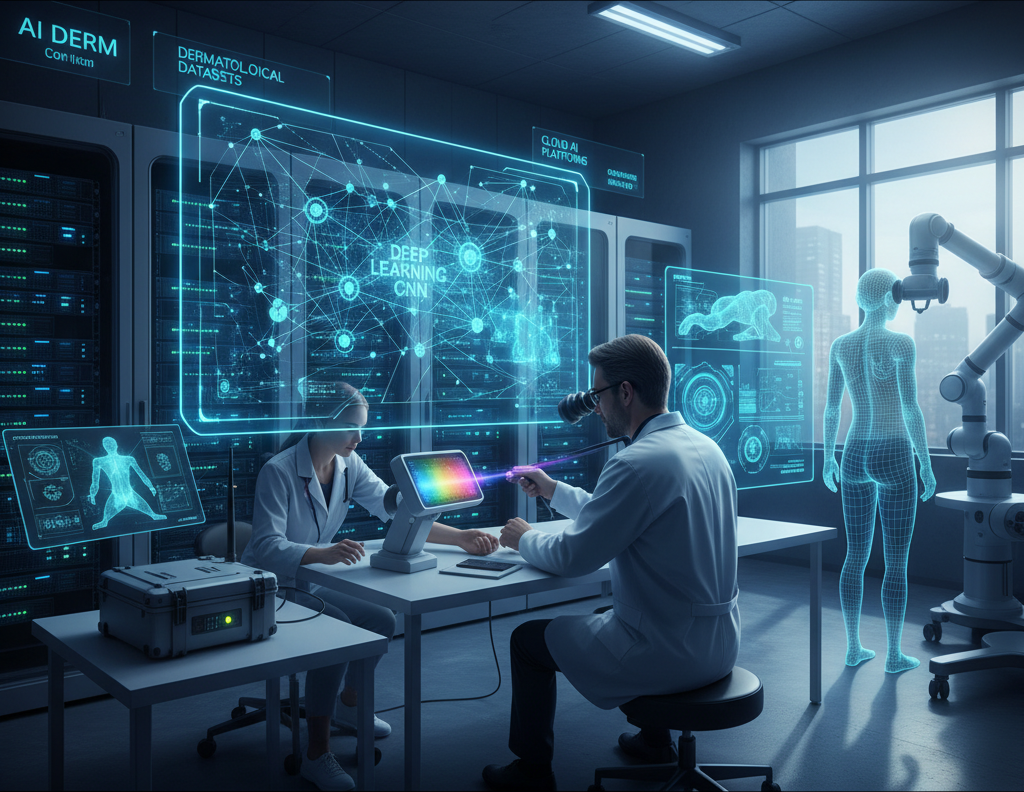
The remarkable progress of AI derm is underpinned by sophisticated technological advancements across several domains. It’s a confluence of powerful algorithms, massive and meticulously curated datasets, and cutting-edge imaging techniques. Understanding these foundational elements is key to appreciating the capabilities and future potential of AI in dermatology.
In 2026, the synergy between these components has reached an unprecedented level, allowing for the development of highly accurate, robust, and clinically viable AI solutions. This section will delve into the core technologies that enable AI derm to revolutionize skin health diagnostics and treatment.
Deep Learning and Convolutional Neural Networks (CNNs) in Practice
At the heart of most AI derm applications are deep learning algorithms, particularly Convolutional Neural Networks (CNNs). CNNs are a class of neural networks specifically designed to process and analyze visual data, making them ideally suited for dermatological imaging. They learn to recognize patterns and features directly from raw pixel data, automatically extracting hierarchical representations of an image.
In practice, a CNN for AI derm might consist of multiple layers, each learning to detect increasingly complex features – from edges and textures in initial layers to specific lesion characteristics like asymmetry, border irregularity, color variations, and diameter (the ABCD rule for melanoma) in deeper layers. These networks are trained on vast collections of labeled skin images, learning to differentiate between various conditions with high accuracy.
By 2026, advanced CNN architectures, such as Vision Transformers and Generative Adversarial Networks (GANs), are also being deployed, offering even greater performance and interpretability. These models can not only classify lesions but also highlight specific areas within an image that led to a particular diagnosis, enhancing transparency and trust in the AI derm system. For a deeper dive into CNNs, explore Wikipedia’s explanation of Convolutional Neural Networks.
The Critical Role of Large-Scale, Diverse Dermatological Datasets
No matter how sophisticated the algorithm, an AI derm system is only as good as the data it’s trained on. The development of robust and generalizable AI models requires access to enormous, diverse, and meticulously labeled dermatological datasets. These datasets must include images of various skin tones, ages, genders, and geographical origins to prevent algorithmic bias and ensure equitable performance across different patient populations.
In 2026, consortia of academic institutions, pharmaceutical companies, and health tech firms are collaborating to build such comprehensive datasets, often anonymizing patient data to protect privacy. These collections include not only standard clinical photographs but also dermoscopic images, histopathological slides, and even 3D scans, all meticulously annotated by expert dermatologists. The quality and diversity of this data are paramount for the reliability of any AI derm solution.
The ongoing effort to collect and curate these datasets is a significant challenge, requiring substantial resources and ethical oversight. However, it is an indispensable step towards creating AI derm tools that are truly effective and fair for all patients. The continuous expansion and refinement of these data repositories are crucial for the sustained advancement of AI in dermatology.
Innovations in Imaging: Dermoscopy, Hyperspectral, and 3D Scanning
Beyond standard photography, specialized imaging techniques are providing AI derm systems with richer, more detailed data, enhancing diagnostic capabilities. Dermoscopy, which uses magnification and specialized lighting to visualize subsurface structures of skin lesions, is a cornerstone. AI algorithms trained on dermoscopic images can detect features invisible to the naked eye, greatly improving the detection of early-stage skin cancers.
Hyperspectral imaging, a newer technology, captures information across a wide spectrum of light, revealing biochemical properties of tissues. AI derm can analyze this data to identify subtle changes in cellular composition or blood flow that indicate malignancy or inflammation even before visible symptoms appear. This non-invasive technique holds immense promise for very early disease detection.
3D scanning, another innovation, allows for the creation of detailed topographical maps of the skin surface. AI derm can use these 3D models to track changes in lesion size, shape, and volume over time with extreme precision, which is particularly useful for monitoring mole changes or assessing the efficacy of treatments for conditions like psoriasis. These advanced imaging modalities provide a multi-dimensional view for AI analysis.
Cloud-Based AI Platforms and Edge Computing for Accessibility
The computational demands of training and running complex AI derm models are substantial. Cloud-based AI platforms have become essential, providing scalable computing power, secure data storage, and easy access for healthcare providers globally. These platforms allow clinics and hospitals to leverage state-of-the-art AI without needing to invest in expensive on-premise infrastructure.
Complementing cloud computing, edge computing is gaining traction in AI derm. This involves processing data closer to the source, often on the device itself (e.g., a smart dermoscope or a high-end smartphone). Edge AI enables real-time analysis, reduces latency, and enhances data privacy by minimizing the need to send sensitive patient images to the cloud for every analysis. This is particularly beneficial in remote areas with limited internet connectivity.
The combination of robust cloud infrastructure for model training and periodic updates, alongside efficient edge computing for immediate clinical application, ensures that AI derm solutions are both powerful and widely accessible. This hybrid approach is crucial for deploying AI effectively across diverse healthcare settings, from major urban hospitals to remote telehealth clinics.
Ethical AI Development: Ensuring fairness and reducing bias in algorithms
As AI derm becomes more integrated into clinical practice, the ethical implications of its development and deployment are critically important in 2026. A primary concern is algorithmic bias, where AI models might perform poorly or provide inaccurate diagnoses for certain demographic groups if the training data was not sufficiently diverse. This could exacerbate existing health disparities.
To address this, ethical AI development frameworks are being rigorously applied. This includes ensuring training datasets are representative of all skin types and ethnicities, implementing fairness metrics during model evaluation, and conducting thorough external validation studies. Developers of AI derm solutions are also focusing on “explainable AI” (XAI) techniques, which allow clinicians to understand how an AI arrived at its conclusion, fostering trust and transparency.
Regulatory bodies and industry standards are evolving to mandate ethical guidelines for AI in healthcare, pushing for transparency, accountability, and regular audits of AI derm systems. The goal is to create AI tools that are not only accurate but also fair, equitable, and trustworthy, ensuring that the benefits of AI derm are realized by everyone, regardless of their background. This commitment to ethical design is fundamental for adoption.
Benefits and Challenges of Integrating AI Derm into Clinical Practice
The integration of AI derm into everyday clinical practice presents a dual landscape of immense benefits and significant challenges. While the potential for improved patient care and operational efficiency is undeniable, navigating the complexities of regulatory frameworks, ethical considerations, and professional adaptation requires careful planning and execution. By 2026, many of these aspects are actively being addressed.
Understanding both sides of this coin is essential for successful adoption and sustained growth of AI derm solutions within the healthcare ecosystem. This section will explore the key advantages that AI brings to dermatology, alongside the hurdles that must be overcome for its widespread and responsible implementation.
Improved Diagnostic Accuracy and Operational Efficiency
One of the most compelling benefits of AI derm is its ability to significantly improve diagnostic accuracy. AI algorithms, when properly trained and validated, can often match or even surpass human dermatologists in specific diagnostic tasks, particularly in the early detection of skin cancers. This enhanced precision leads to earlier intervention, better treatment outcomes, and ultimately, saved lives. The consistency of AI also reduces inter-observer variability.
Beyond accuracy, AI derm dramatically boosts operational efficiency in clinical settings. AI-powered tools can rapidly triage cases, prioritize patients with high-risk lesions, and automate routine tasks like lesion measurement and documentation. This frees up dermatologists’ time, allowing them to focus on complex cases, patient consultations, and treatment planning, thereby increasing clinic throughput and reducing wait times for patients.
The ability of AI to process and analyze vast amounts of data quickly also supports more efficient resource allocation within healthcare systems. By identifying patterns in patient populations and disease prevalence, AI derm can help administrators optimize staffing, equipment, and outreach programs, leading to more streamlined and cost-effective healthcare delivery. This dual benefit of accuracy and efficiency makes AI derm an attractive investment.
Expanding Patient Access to Specialist Care and Reducing Healthcare Costs
AI derm plays a crucial role in addressing the global shortage of dermatologists and expanding access to specialist care, particularly in underserved regions. Tele-dermatology platforms augmented with AI allow primary care providers or even patients themselves to capture images of skin conditions, which can then be triaged and pre-analyzed by AI before review by a remote dermatologist. This bridges geographical gaps and reduces the need for patients to travel long distances for consultations.
By preventing delayed diagnoses and enabling earlier, less invasive treatments, AI derm also contributes to significant reductions in healthcare costs. For example, early detection of melanoma through AI can lead to simpler surgical excisions rather than extensive treatments required for advanced-stage cancer. Reduced unnecessary specialist referrals and follow-up visits, thanks to AI-powered triage, also contribute to cost savings.
Moreover, AI derm can empower general practitioners with enhanced diagnostic capabilities, reducing the burden on specialists for common conditions. This democratizes access to high-quality dermatological assessment, making skin health services more equitable and affordable for a wider population. The societal impact of this expanded access is profound, improving overall public health.
Navigating Regulatory Hurdles and Ensuring Clinical Validation (2026 Standards)
Despite the clear benefits, integrating AI derm into clinical practice is not without its hurdles, particularly concerning regulatory approval and clinical validation. By 2026, regulatory bodies like the FDA in the US and the EMA in Europe have established clearer, though still evolving, pathways for AI-powered medical devices. These standards require rigorous testing to demonstrate safety, effectiveness, and non-inferiority compared to human experts.
Clinical validation involves large-scale, multi-center trials to prove the AI derm system’s performance in real-world settings, across diverse patient populations, and under various operational conditions. This is a costly and time-consuming process, but absolutely essential to build trust and ensure patient safety. Furthermore, regulators are increasingly focusing on the transparency and explainability of AI models.
Another challenge is the need for continuous monitoring and re-validation of AI models post-deployment. As algorithms learn and adapt, or as new data emerges, their performance needs to be regularly assessed to ensure they remain accurate and unbiased. Navigating these regulatory complexities and ensuring ongoing clinical validation are critical for the responsible scaling of AI derm solutions.
Addressing Data Privacy, Security, and Ethical Governance Concerns
The use of vast amounts of sensitive patient data, including high-resolution images of skin lesions, raises significant concerns regarding data privacy and security. Healthcare organizations implementing AI derm must adhere to strict regulations like GDPR and HIPAA, ensuring that patient information is securely stored, transmitted, and processed, with appropriate consent obtained. Robust cybersecurity measures are paramount to prevent breaches.
Beyond privacy, ethical governance of AI derm is a complex area. Questions arise about accountability when an AI makes an incorrect diagnosis – who is responsible? What are the implications of AI-driven recommendations on clinician autonomy? How do we ensure that AI tools are used equitably and do not perpetuate or amplify existing health disparities?
Addressing these concerns requires a multi-stakeholder approach, involving clinicians, ethicists, policymakers, and AI developers. Clear guidelines, transparent AI systems, and ongoing dialogue are essential to build public trust and ensure that AI derm is deployed in a manner that upholds patient rights and promotes equitable healthcare outcomes. This ongoing ethical debate is a defining feature of AI in medicine.
The Evolving Role of Dermatologists: Collaboration over Replacement
A common concern whenever AI enters a professional field is the fear of job displacement. However, for AI derm, the prevailing sentiment in 2026 is one of collaboration, not replacement. AI is viewed as a powerful assistant, augmenting the capabilities of dermatologists rather than superseding them. Dermatologists’ expertise in clinical judgment, patient communication, empathy, and handling nuanced or ambiguous cases remains irreplaceable.
The role of the dermatologist is evolving to include interpreting AI outputs, validating AI-generated diagnoses, and integrating AI insights into a holistic patient care plan. They become supervisors of AI tools, leveraging technology to enhance their diagnostic accuracy and efficiency. This shift allows dermatologists to dedicate more time to complex cases, surgical procedures, and building stronger patient relationships.
Furthermore, dermatologists will play a crucial role in the ongoing development and refinement of AI derm systems, providing critical feedback and ensuring that these tools meet real-world clinical needs. Training programs for future dermatologists are increasingly incorporating AI literacy, preparing them to effectively utilize these advanced tools. The future of dermatology is a synergistic partnership between human expertise and artificial intelligence.
Real-World Applications and Success Stories of AI Derm
By 2026, AI derm has moved beyond theoretical discussions and pilot projects to become an integral part of real-world clinical practice across various settings. Its transformative power is evident in numerous applications, from enhancing telehealth services to supporting large-scale public health initiatives. These success stories highlight the tangible impact AI is having on patient care and healthcare delivery.
This section will showcase concrete examples of how AI derm is being successfully implemented today, illustrating its versatility and effectiveness in addressing diverse dermatological challenges. These applications demonstrate the immediate value and future potential of this exciting technology.
Tele-dermatology Platforms Transformed by AI Algorithms
Tele-dermatology has experienced exponential growth, especially since the early 2020s, and by 2026, AI derm algorithms are fundamentally transforming these platforms. Patients can now securely upload high-resolution images of their skin conditions via smartphone apps or dedicated devices. AI algorithms then perform an initial assessment, triaging cases based on urgency and providing preliminary diagnostic probabilities.
For example, an AI derm system might flag a suspicious mole with a high melanoma risk score, prompting immediate review by a human dermatologist. Conversely, it might confidently identify a common benign condition, allowing a nurse practitioner to provide initial advice without requiring a specialist consultation. This intelligent triage significantly streamlines workflow, reduces wait times, and ensures that specialists focus their attention on the most critical cases.
Leading telehealth providers now integrate AI derm as a standard feature, offering faster, more accurate remote consultations. This has dramatically improved access to dermatological care for patients in remote areas, those with mobility issues, or individuals facing time constraints. The efficiency gains are substantial, making telehealth a truly viable and often preferred option for many dermatological concerns.
AI-Assisted Surgical Planning and Post-operative Monitoring
The utility of AI derm extends into surgical dermatology, enhancing precision and improving patient outcomes. Before surgery, AI algorithms can analyze imaging data (e.g., 3D scans, dermoscopic images) to precisely delineate the margins of skin cancers, particularly for complex cases like basal cell carcinoma on the face. This helps surgeons plan excisions with greater accuracy, minimizing the removal of healthy tissue while ensuring complete tumor removal.
During procedures like Mohs micrographic surgery, AI derm tools can assist in real-time analysis of tissue samples, quickly identifying residual cancer cells at the margins. This accelerates the process and reduces the need for multiple surgical stages, leading to better cosmetic results and reduced patient anxiety. The speed of AI analysis here is a critical advantage.
Post-operatively, AI derm is used for continuous monitoring of healing wounds and detection of complications. AI-powered image analysis can track wound closure, identify signs of infection or inflammation, and alert clinicians to potential issues early. This proactive monitoring ensures optimal healing and allows for timely intervention, further improving patient safety and recovery. This comprehensive support from AI is invaluable.
Public Health Initiatives: Large-scale Screening and Early Intervention Programs
AI derm is proving to be an invaluable asset in public health initiatives, particularly for large-scale screening and early intervention programs aimed at combating skin cancer and other prevalent dermatological conditions. In regions with limited access to dermatologists, mobile screening units equipped with AI-powered imaging devices can rapidly assess large populations.
These units can identify individuals at high risk for skin cancer, directing them to specialist care much faster than traditional methods. For instance, national health services are deploying AI derm kiosks in pharmacies or community centers, enabling convenient, initial skin checks that are then reviewed remotely. This proactive approach helps to catch diseases at their earliest, most treatable stages, significantly reducing morbidity and mortality.
Beyond cancer, AI derm is also used in programs for managing infectious skin diseases or tracking outbreaks of conditions like scabies in crowded settings. By analyzing visual data from affected populations, AI can identify patterns, predict spread, and guide targeted public health interventions. This scalability makes AI derm a powerful tool for improving population-level skin health outcomes.
Case Studies: Pioneering Clinics and Hospitals Leveraging AI Derm
Numerous pioneering clinics and hospitals globally are at the forefront of leveraging AI derm, showcasing its practical benefits. For instance, the Harvard Business Review recently highlighted a major academic medical center that implemented an AI derm system for melanoma screening. They reported a 30% reduction in unnecessary biopsies while maintaining high sensitivity for cancer detection, leading to substantial cost savings and improved patient experience.
Another example comes from a leading dermatology group in Europe, which integrated AI derm into their teledermatology platform. They observed a 40% increase in patient throughput for routine follow-ups and a significant decrease in waiting times for new patient appointments. The AI system efficiently triaged incoming cases, ensuring that urgent ones were prioritized, optimizing their specialist resources.
In Asia, a hospital specializing in chronic skin diseases utilizes AI derm for personalized treatment planning for psoriasis patients. By analyzing genetic markers, historical treatment responses, and lesion characteristics, the AI recommends specific biologics, leading to a 25% improvement in patient response rates compared to standard protocols. These case studies underscore the tangible, positive impact of AI derm in diverse clinical settings.
Innovations in Consumer Health: Over-the-counter AI-enabled skin analysis
The reach of AI derm is extending beyond clinical settings into consumer health, with a proliferation of over-the-counter (OTC) AI-enabled skin analysis devices and applications. These innovations empower individuals to proactively monitor their skin health from the comfort of their homes. Smartphone apps, often developed in partnership with dermatologists, allow users to take high-resolution photos of their skin.
An integrated AI derm algorithm then analyzes these images for common concerns like acne severity, signs of aging, sun damage, or even suspicious moles. While these consumer-grade tools are typically designed for screening and awareness rather than definitive diagnosis, they can provide personalized skincare recommendations, track changes over time, and prompt users to seek professional medical advice if a concerning anomaly is detected.
Some advanced devices even offer integrated sensors for measuring hydration, oiliness, and elasticity, combining this data with visual analysis for a comprehensive skin health report. This trend in AI derm puts powerful analytical tools directly into the hands of consumers, fostering greater skin health awareness and encouraging preventative care, though professional oversight remains crucial for any medical concern. For insights into the market, see this article on AI derm market growth predictions.
The Future Landscape: What’s Next for AI Derm and Dermatology?
The rapid evolution of AI derm suggests that its current capabilities are just the beginning. The next few years promise even more sophisticated and integrated AI solutions that will further redefine dermatology. The future landscape will likely see AI becoming an even more seamless and indispensable part of both clinical practice and daily consumer health management. This section explores the exciting advancements on the horizon.
From generative AI creating novel treatment simulations to wearable devices providing continuous, proactive care, the trajectory of AI derm is towards greater personalization, prediction, and pervasive integration. These upcoming innovations hold the potential to address current limitations and unlock new paradigms in skin health management globally.
Generative AI for Simulating Treatment Responses and Patient Education
One of the most exciting future applications of AI derm is the use of generative AI. These advanced models, capable of creating new data, will revolutionize treatment planning and patient education. Imagine an AI that can simulate how a patient’s skin condition, such as severe acne or psoriasis, would respond to various treatment regimens over time, visually demonstrating the potential outcomes before a single medication is prescribed.
This capability would allow dermatologists to optimize treatment strategies and provide patients with a clear, personalized visual roadmap of their healing journey, significantly improving adherence and satisfaction. Generative AI could also create highly realistic virtual patient models to train medical students and residents on diagnosing rare or complex skin conditions, offering invaluable learning experiences without risk to real patients.
Furthermore, for patient education, generative AI could produce customized, easy-to-understand visual aids and explanations tailored to a patient’s specific condition, age, and literacy level. This would empower patients with better knowledge about their skin health, fostering shared decision-making and improving overall engagement in their care plans. The potential for generative AI in AI derm is truly vast and transformative.
Wearable AI for Continuous Skin Health Monitoring and Proactive Care (featuring AI derm)
The integration of AI derm into wearable technology is set to become even more sophisticated. Future wearables, beyond current smartwatches, will likely feature advanced micro-cameras, biochemical sensors, and even miniature spectroscopic capabilities, enabling continuous, non-invasive monitoring of various skin health parameters. These devices could track changes in mole morphology, skin hydration, inflammation markers, and even early signs of infection.
An embedded AI derm algorithm would analyze this continuous stream of data, detecting subtle deviations from a user’s baseline and alerting them or their healthcare provider to potential issues in real-time. This moves dermatology from reactive treatment to truly proactive and preventative care. For instance, a wearable might detect early signs of a psoriasis flare-up, prompting timely intervention before it becomes severe.
These intelligent wearables, leveraging AI derm, will empower individuals to take unprecedented control over their skin health, providing personalized insights and facilitating early detection of diseases. The focus will shift towards maintaining optimal skin health rather than merely treating problems as they arise, leading to better long-term outcomes and reduced healthcare burdens. This will be a significant leap for consumer health.
Seamless Integration with Electronic Health Records (EHRs) and Smart Hospitals
The future of AI derm involves seamless, bidirectional integration with Electronic Health Records (EHRs) and the broader ecosystem of “smart hospitals.” This means AI systems will not only input diagnostic findings into a patient’s record but also draw comprehensive data from the EHR – including medical history, lab results, genetic information, and medication lists – to provide more holistic and informed recommendations.
In a smart hospital environment, AI derm could be integrated with robotic systems for automated wound care, intelligent imaging suites, and even pharmacy systems for optimized medication dispensing. This creates a truly interconnected healthcare experience where AI acts as an intelligent layer across all aspects of patient care, enhancing coordination and reducing human error.
The goal is to create a unified digital twin of a patient’s dermatological health, continually updated by various AI derm inputs, providing clinicians with a 360-degree view and predictive insights. This level of integration will streamline administrative tasks, improve data accuracy, and allow healthcare providers to deliver truly personalized and efficient care, moving towards a more intelligent and responsive healthcare system.
Global Expansion: Bridging Healthcare Gaps in Underserved Regions
The global expansion of AI derm solutions holds immense promise for bridging healthcare gaps in underserved regions, particularly in developing countries where access to specialist dermatological care is severely limited. Low-cost, robust AI-powered diagnostic tools, often running on smartphones or portable devices, can extend specialist-level screening capabilities to remote clinics and community health workers.
Training local healthcare professionals to use these AI derm tools, coupled with tele-dermatology consultations for complex cases, can dramatically improve early detection rates for skin cancers, infectious diseases, and chronic conditions. This decentralized approach leverages technology to overcome infrastructure limitations and address the scarcity of trained personnel.
International collaborations and non-profit initiatives are increasingly focusing on deploying culturally appropriate and linguistically diverse AI derm solutions in these areas. The scalability and cost-effectiveness of AI make it a powerful agent for health equity, ensuring that quality dermatological care is not a luxury but an accessible right for everyone, regardless of their geographical location or socioeconomic status.
Addressing Algorithmic Bias and Promoting Equity in AI Derm Solutions
As AI derm solutions proliferate globally, addressing algorithmic bias and promoting equity will remain a paramount concern and a continuous area of focus. Future developments will involve even more stringent data collection practices, ensuring truly representative and diverse datasets that reflect the full spectrum of human skin tones, conditions, and geographical variations. This is critical to prevent AI models from performing poorly on certain populations.
Research will continue into methods for detecting and mitigating bias within AI algorithms, potentially through advanced fairness metrics, adversarial training techniques, and robust external validation across diverse cohorts. Regulatory frameworks will evolve to mandate these equity considerations, requiring developers to demonstrate the fair performance of their AI derm products across all demographic groups.
Furthermore, community engagement and co-design initiatives will become crucial, involving diverse patient groups and healthcare providers in the development process to ensure that AI derm solutions are not only effective but also culturally sensitive and address real-world needs. The future of AI derm is not just about technological advancement, but also about building ethical, equitable, and inclusive tools that serve all of humanity. This commitment to fairness will be a defining characteristic.
Conclusion: Embracing the Era of AI Derm for Healthier Skin
Recapitulating the Transformative Impact of AI Derm
The journey through the world of AI derm in 2026 reveals a field undergoing profound and exciting transformation. We’ve seen how AI is revolutionizing diagnostics, from accelerating the detection of life-threatening skin cancers like melanoma to enhancing the precision in identifying common conditions such as acne, eczema, and psoriasis. AI’s capabilities extend into personalized treatment protocols and predictive analytics, offering a proactive approach to patient care.
The technological backbone, comprising deep learning, vast and diverse datasets, and advanced imaging techniques, continues to evolve, pushing the boundaries of what’s possible. While challenges related to regulation, data privacy, and ethical governance persist, they are being actively addressed through collaborative efforts, ensuring responsible and equitable deployment. The benefits, including improved accuracy, expanded access, and enhanced efficiency, are already yielding tangible improvements in global skin health.
The Indispensable Partnership Between Humans and AI
A central theme throughout this exploration is the understanding that AI derm is not designed to replace human dermatologists but to augment and empower them. The future of dermatology lies in a synergistic partnership where AI handles data-intensive tasks, provides intelligent insights, and streamlines workflows, allowing human experts to focus on complex decision-making, empathetic patient interaction, and surgical procedures. This collaborative model ensures the best possible outcomes for patients.
Dermatologists, equipped with advanced AI tools, can deliver more accurate, efficient, and personalized care than ever before. This evolving role emphasizes critical thinking, ethical oversight, and the invaluable human touch that no algorithm can replicate. The most successful implementations of AI derm are those where technology and human expertise are seamlessly integrated, creating a whole that is greater than the sum of its parts.
A Call to Action for Researchers, Clinicians, and Policy Makers
To fully harness the potential of AI derm, a concerted effort from all stakeholders is essential. Researchers must continue to innovate, developing more robust, explainable, and unbiased AI models. Clinicians are called upon to embrace these new technologies, provide critical feedback, and integrate AI into their practice thoughtfully and ethically. Their real-world insights are invaluable for refining AI tools.
Policy makers and regulatory bodies have a crucial role in establishing clear, adaptive guidelines that foster innovation while safeguarding patient privacy, ensuring equitable access, and maintaining high standards of clinical validation. Collaborative initiatives across academia, industry, and government are vital to navigate the complexities and ensure that AI derm develops responsibly and for the benefit of all.
Final Thoughts on the Promise and Potential of AI Derm for Global Skin Health
The era of AI derm is here, and its promise for global skin health is immense. From accelerating diagnostics and personalizing treatments to bridging healthcare gaps in underserved regions, AI is poised to make a monumental impact. While challenges remain, the trajectory is clear: AI derm will continue to evolve, becoming an increasingly sophisticated and indispensable component of modern dermatology. Embracing this technology, guided by ethical principles and a commitment to equity, will lead to a future where healthier skin is a more attainable reality for everyone on the planet, thanks to the power of ai derm.