Unlocking the Future of Entertainment: Finding the Best IPTV in 2026
The landscape of home entertainment has transformed dramatically, with traditional broadcast methods increasingly giving way to more flexible, personalized, and on-demand streaming solutions. In 2026, Internet Protocol Television (IPTV) stands at the forefront of this revolution, offering a dynamic alternative to cable and satellite. It delivers television content over IP networks, providing unparalleled choice and convenience directly to your devices.
For those seeking superior content variety, advanced features, and cost-effectiveness, understanding what constitutes the best IPTV service is crucial. This isn’t just about watching TV; it’s about experiencing entertainment tailored to your lifestyle, with high-definition quality and minimal latency becoming standard expectations. As technology evolves at a rapid pace, staying informed about the top providers and emerging trends ensures you make the most informed decision for your viewing needs.
What is IPTV and Why It’s Thriving in 2026
IPTV, or Internet Protocol Television, is a method of delivering television content over broadband connections using the Internet Protocol. Unlike traditional terrestrial, satellite, and cable television formats, IPTV allows for a more interactive and on-demand viewing experience. In 2026, its prevalence has skyrocketed due to widespread high-speed internet availability and consumer demand for flexible media consumption.
The core appeal of IPTV lies in its ability to offer a vast array of channels, video-on-demand (VOD) libraries, and interactive services, all accessible through a single internet connection. This digital delivery method allows providers to offer richer features, such as catch-up TV, pause/rewind live broadcasts, and personalized content recommendations, which traditional TV struggles to match. The convergence of media and technology makes IPTV an increasingly attractive option for modern households.
The Evolving Landscape of Digital Streaming and Broadcast
The digital streaming and broadcast landscape in 2026 is characterized by intense competition and rapid innovation. We’ve moved beyond the early days of basic streaming to an era dominated by 8K resolution, high dynamic range (HDR) content, and immersive audio experiences. Major players, alongside niche providers, are constantly pushing boundaries to capture and retain subscriber attention, making the search for the best IPTV service more dynamic than ever.
Content fragmentation remains a key trend, with exclusive shows and movies spread across numerous platforms. This has inadvertently fueled the demand for comprehensive IPTV services that can aggregate a wide range of content, often at a more appealing price point than subscribing to multiple standalone streaming platforms. The convenience of a single interface for diverse entertainment options is a significant driver for IPTV adoption.
Challenges and Considerations for Modern IPTV Users
While the benefits of IPTV are clear, users in 2026 face several considerations. The primary challenge often revolves around legality and reliability. The market is saturated with services, some legitimate and licensed, others operating in a legal grey area, or outright illegally. Distinguishing between these is paramount to avoid potential security risks, poor service quality, or legal repercussions. This guide aims to help you navigate this complex environment.
Another common concern is technical performance, including buffering, picture quality, and device compatibility. An optimal IPTV experience requires a robust internet connection and compatible hardware. Furthermore, customer support quality and the overall user interface can significantly impact satisfaction. Understanding these challenges is the first step towards finding the best IPTV solution that truly meets your expectations.
How This Guide Will Help You Choose
This comprehensive guide is designed to empower you with the knowledge needed to confidently select the best IPTV service in 2026. We’ll break down the essential criteria for evaluation, highlight top providers, delve into legal aspects, and explain technical requirements. Our aim is to provide a clear, unbiased roadmap, ensuring you can identify a service that aligns with your specific viewing preferences, budget, and technical setup.
By following our expert analysis and recommendations, you’ll gain insights into everything from content libraries and streaming quality to customer support and future trends. We believe that an informed decision leads to a superior entertainment experience, and this guide is your ultimate resource for navigating the exciting world of IPTV in the current year. Prepare to unlock a new era of digital television.
Key Criteria for Evaluating the Best IPTV Services in 2026
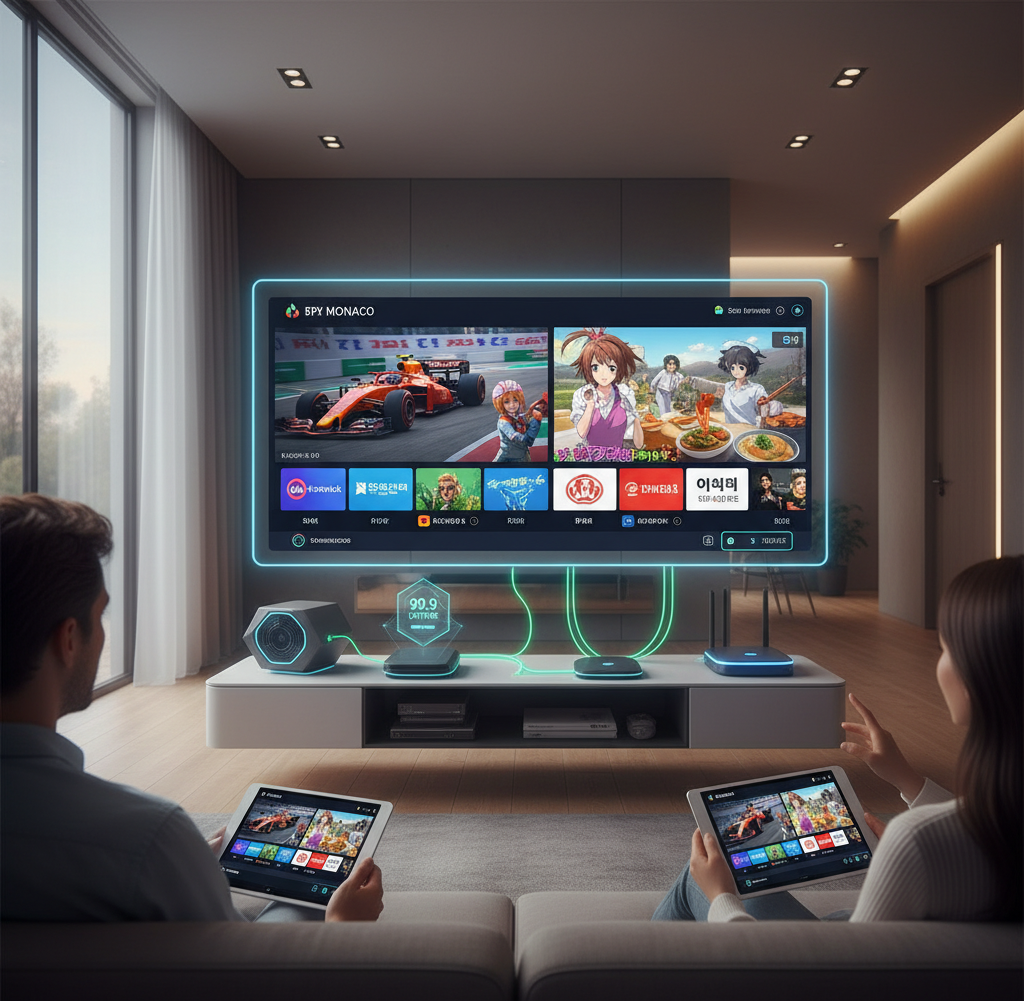
Choosing the best IPTV service requires a systematic approach, evaluating various aspects that contribute to a superior user experience. In 2026, the market offers a diverse range of options, making it essential to understand the core criteria that differentiate top-tier providers from the rest. This section outlines the critical factors you should consider before making a commitment.
Content Library & Channel Diversity: Global vs. Niche
The breadth and depth of a service’s content library are often the primary drivers for user choice. In 2026, the best IPTV providers offer thousands of live channels, spanning global news, sports, movies, and entertainment from various regions. Consider whether you need access to international channels, specific sports packages, or a vast collection of video-on-demand (VOD) content.
Niche content is also gaining prominence. Some users might prioritize specific genres like anime, documentaries, or foreign language programming. Evaluate if the provider caters to these specific interests or if its offerings are too generic. A truly great IPTV service balances broad appeal with specialized content to satisfy diverse user bases, ensuring there’s always something engaging to watch.
Streaming Quality: The Rise of 8K, HDR, and Ultra-Low Latency
Picture and sound quality are non-negotiable for a premium viewing experience in 2026. The shift towards higher resolutions means that the best IPTV services now support 4K and increasingly 8K content, alongside High Dynamic Range (HDR) for richer colors and contrast. Ensure the provider can deliver content at these resolutions, provided your internet speed and display device are compatible.
Ultra-low latency is another critical factor, particularly for live sports and news. Minimal delay between the live broadcast and your screen enhances the real-time viewing experience. Assess if the service offers consistent, high-bitrate streams without significant compression artifacts, ensuring a crisp, clear picture and immersive audio, whether it’s Dolby Atmos or DTS:X.
Reliability and Uptime Guarantees: Minimizing Buffering
Nothing disrupts the enjoyment of a show or game more than constant buffering or service outages. The reliability of an IPTV service is paramount. Look for providers that boast high uptime guarantees (e.g., 99.9%) and have robust server infrastructures designed to handle peak traffic without degradation in performance. This is a hallmark of the best IPTV offerings.
Minimizing buffering requires not only strong servers on the provider’s end but also efficient content delivery networks (CDNs). Reputable services invest heavily in these areas to ensure smooth, uninterrupted streaming across various geographical locations. User reviews often provide valuable insights into a service’s real-world reliability and how effectively it handles high demand.
Device Compatibility & User Interface: Seamless Cross-Platform Experience
Modern IPTV users expect to access their content on a multitude of devices, from smart TVs and streaming sticks to smartphones and tablets. The best IPTV services offer broad device compatibility, often with dedicated apps for popular platforms like Android TV, iOS, Firestick, Roku, and Windows/macOS. A seamless cross-platform experience is essential for flexibility.
Equally important is an intuitive and user-friendly interface. A well-designed Electronic Program Guide (EPG), easy navigation, robust search functions, and personalized profiles contribute significantly to user satisfaction. The interface should be responsive, visually appealing, and allow for quick access to desired content without unnecessary complexity or frustrating menus.
Pricing Models and Value for Money: Subscriptions, Bundles, and Tiers
IPTV pricing models in 2026 are diverse, ranging from monthly subscriptions to longer-term bundles and tiered packages. When evaluating the best IPTV, consider not just the raw price but the overall value for money. Does the service offer a free trial? Are there discounts for annual commitments? What features are included in each tier (e.g., number of concurrent streams, VOD access, premium channels)?
Be wary of services that seem too cheap, as they might compromise on quality, reliability, or legality. Compare the features offered against the price point, and consider if the content library justifies the cost. Transparent pricing without hidden fees is a sign of a trustworthy provider. Ultimately, the goal is to find a service that provides extensive value without breaking the bank.
Customer Support & Community Feedback: What Users Are Saying
Even the best IPTV service can encounter issues, making responsive and effective customer support indispensable. Look for providers offering multiple support channels, such as live chat, email, and phone support, with quick response times. A comprehensive FAQ section or knowledge base can also be incredibly helpful for self-service troubleshooting.
Community feedback, often found on forums, review sites, and social media, provides real-world insights into a service’s strengths and weaknesses. Pay attention to consistent complaints about buffering, billing issues, or unresponsive support. Conversely, positive reviews praising reliability, content, and helpful staff are strong indicators of a reputable provider. Always consider a balance of feedback when making your decision.
Top Contenders: A Deep Dive into the Best IPTV Providers in 2026
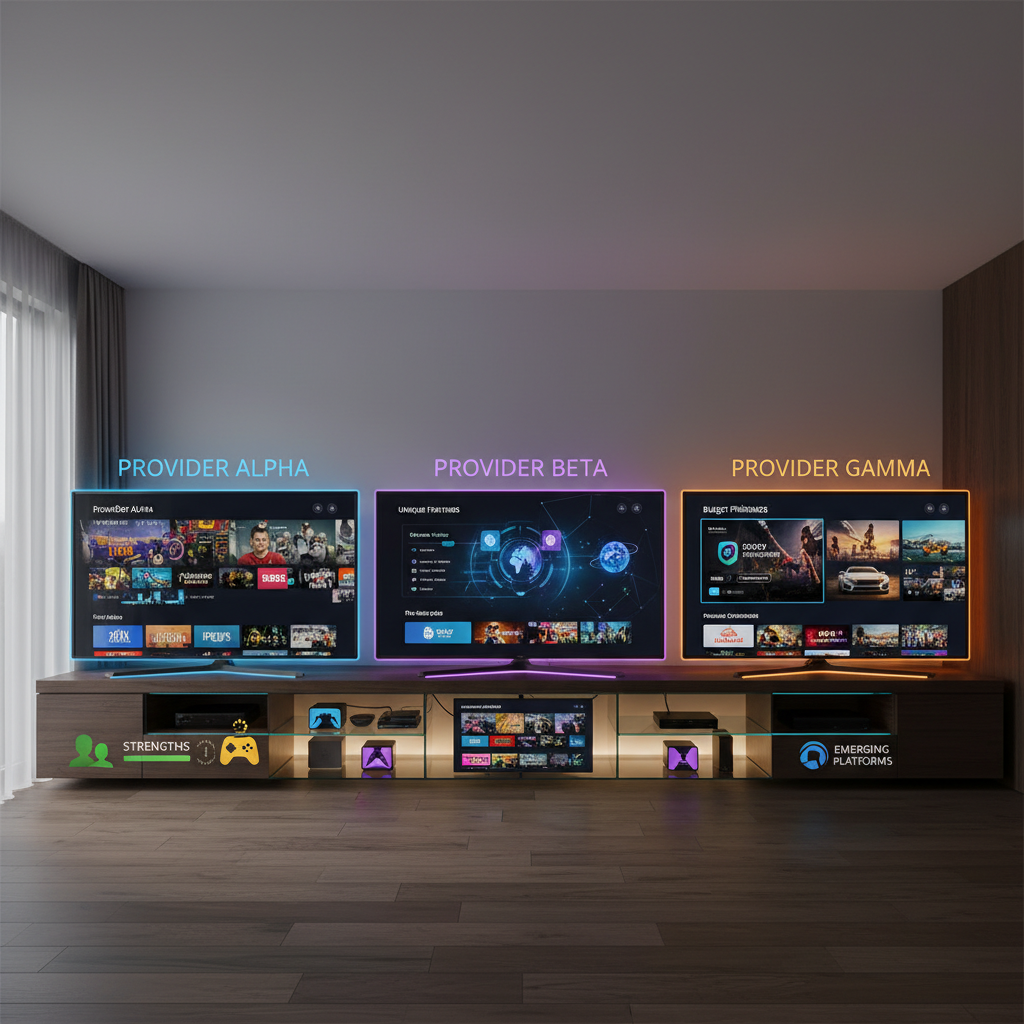
The IPTV market in 2026 is bustling with providers vying for your attention. While specific names can fluctuate due to market dynamics and regulatory changes, we can examine archetypal providers that represent the various segments of the market. This section will profile hypothetical “Provider Alpha,” “Provider Beta,” and “Provider Gamma” to illustrate what to look for when seeking the best IPTV service, along with a look at emerging platforms.
Provider Alpha: Strengths, Weaknesses, and Ideal User Profile
Provider Alpha is often lauded as a premium, top-tier service. Its strengths typically include an expansive global channel lineup, often exceeding 20,000 live channels, coupled with a massive 50,000+ title VOD library, including 4K and 8K content. They boast ultra-low latency streaming, making them a favorite for sports enthusiasts and live event viewers. Alpha invests heavily in robust server infrastructure, resulting in exceptional reliability and minimal buffering, even during peak times.
However, its premium status comes with a higher price point, making it less accessible for budget-conscious users. While device compatibility is broad, their proprietary app, while functional, might not be as customizable as some third-party players. The ideal user for Provider Alpha is someone who prioritizes unparalleled content depth, maximum reliability, and cutting-edge streaming quality, and is willing to pay a premium for the best IPTV experience available.
For more detailed information on premium options, you might find our article on Best Iptv Provider 2026 particularly useful, as it delves into specifics that align with Provider Alpha’s profile.
Provider Beta: Unpacking Its Unique Features and Content
Provider Beta often differentiates itself through unique features and curated content bundles. While their channel count might be slightly lower than Alpha’s, they excel in specific niches, perhaps offering an unparalleled collection of independent films, regional programming, or hyper-focused sports packages not easily found elsewhere. Beta is known for its highly intuitive user interface and advanced personalization features, including AI-driven content recommendations that truly learn your viewing habits.
A unique selling proposition for Beta could be its integration with smart home ecosystems, allowing voice control and seamless multi-device syncing. Its weaknesses might include occasional geo-restrictions on certain content, or slightly fewer concurrent streams offered in its standard package compared to Alpha. Provider Beta is perfect for users who value a personalized, user-friendly experience and specific content niches, making it a strong contender for the best IPTV for specialized interests.
Provider Gamma: Budget-Friendly Options vs. Premium Experiences
Provider Gamma targets the value-conscious segment of the market, offering a compelling balance of content and affordability. Their strength lies in providing a solid selection of popular channels and a decent VOD library at a significantly lower monthly cost. While they might not consistently offer 8K streams, their 4K and HD quality is generally excellent, and reliability is respectable for the price point.
Weaknesses could include fewer international channels, potentially less responsive customer support compared to premium services, or a more basic EPG. However, for many, Gamma represents an excellent entry point into IPTV without a hefty financial commitment. It’s an ideal choice for users seeking a reliable, functional, and affordable best IPTV solution for general entertainment without needing all the bells and whistles of a premium service. For those exploring more options in this category, our guide to Best Iptv Subscription 2026 offers further insights.
Emerging Platforms and Niche Best IPTV Offerings
Beyond the established players, 2026 sees the rise of numerous emerging platforms and niche IPTV offerings. These often leverage new technologies like Web3 for decentralized streaming, or focus on extremely specific content verticals like e-sports, educational programming, or hyper-local news. These services may not have the vast libraries of the larger providers but compensate with highly curated, unique content and innovative features.
Some emerging platforms might experiment with different monetization models, such as token-gated access or pay-per-view for exclusive events. While they might carry higher risk due to their nascent nature, they can offer groundbreaking experiences for early adopters. Keeping an eye on these innovative services is key for anyone looking for the absolute cutting-edge in the best IPTV technology.
Provider Comparison Table: A Quick Reference for Key Metrics
To aid in your decision-making, here’s a conceptual comparison table outlining key metrics for our archetypal providers. Please remember these are illustrative profiles, and real-world services will have their own unique combinations of features and pricing. When you’re searching for the best IPTV, use this as a template to compare actual providers.
- Provider Alpha:
- Channel Count: 20,000+ (Global, Premium)
- VOD Library: 50,000+ (4K/8K, Extensive)
- Streaming Quality: 8K, HDR, Ultra-Low Latency
- Reliability: Excellent (99.9% Uptime)
- Price: Premium
- Ideal User: Enthusiasts, demanding quality & content
- Provider Beta:
- Channel Count: 10,000-15,000 (Curated, Niche)
- VOD Library: 30,000+ (Personalized, Unique)
- Streaming Quality: 4K, HDR, Low Latency
- Reliability: Very Good
- Price: Mid-Range
- Ideal User: Niche interests, tech-savvy, personalization focus
- Provider Gamma:
- Channel Count: 5,000-8,000 (Popular, Regional)
- VOD Library: 15,000+ (Standard)
- Streaming Quality: 1080p, 4K (Selected), Moderate Latency
- Reliability: Good
- Price: Budget-Friendly
- Ideal User: Value-seekers, general entertainment
Navigating the Legal Landscape: Is IPTV Right for You?
The legal status of IPTV services is a critical concern for users in 2026. While the technology itself is legal, the legality of specific providers hinges entirely on the content they distribute and whether they possess the necessary licenses and rights. Understanding this distinction is paramount to ensuring you choose a legitimate service and protect yourself from potential risks. Finding the best IPTV solution also means finding a legal one.
Understanding Legal vs. Illegal IPTV: The Fine Line in 2026
Legal IPTV services are those offered by licensed broadcasters and telecommunication companies (e.g., major ISPs, established streaming platforms) that have acquired the proper distribution rights for all the content they provide. These services operate transparently, adhere to copyright laws, and often integrate with existing subscription models. They are essentially a digital evolution of traditional cable television.
Illegal IPTV services, conversely, are those that distribute copyrighted content without permission from the rights holders. These often offer vast libraries of channels and VOD for a significantly lower price than legitimate services, making them attractive but risky. Identifying the best IPTV should always involve verifying its legal standing. If a deal seems too good to be true, it likely is.
The distinction between legal and illegal IPTV services often boils down to licensing agreements. Legitimate providers invest heavily in securing rights for their content, ensuring they operate within the bounds of copyright law. Consumers must exercise due diligence to avoid inadvertently supporting illicit operations.
Regional Regulations and Compliance Across Continents
IPTV regulations vary significantly by country and region in 2026. What might be permissible in one jurisdiction could be strictly prohibited in another. Content licensing is typically geographically bound, meaning a service might be legal to operate in one country but illegal to stream the same content in another. This complexity requires consumers to be aware of the laws in their own region.
Governments and regulatory bodies worldwide are increasingly cracking down on illegal IPTV operations, imposing fines and even criminal charges on both providers and, in some cases, users. Always ensure that the best IPTV service you choose explicitly states its compliance with regional broadcasting and copyright laws for the territories it serves. This transparency is a strong indicator of legitimacy.
Risks of Using Unlicensed Services: Security and Legal Ramifications
Opting for unlicensed IPTV services carries significant risks. From a security standpoint, these services often lack robust encryption and may expose your personal data to cyber threats. They can be vectors for malware, phishing attempts, or even identity theft. The absence of legitimate business practices means there’s no guarantee of data protection or privacy.
Legally, using unlicensed IPTV can lead to civil lawsuits from copyright holders, substantial fines, or even criminal prosecution in some territories. Service interruptions are also common as illegal operations are frequently shut down by authorities. Furthermore, the quality of service is often inconsistent, with frequent buffering, low resolution, and unreliable access. These risks far outweigh any perceived cost savings, making it crucial to choose the best IPTV from a reputable source.
For further reading on the complexities of digital rights, you can consult resources like Investopedia’s explanation of Digital Rights Management (DRM), which often underpins legal content distribution.
Protecting Your Digital Rights and Privacy with VPNs and Secure Practices
Even with legitimate IPTV services, protecting your digital rights and privacy is paramount in 2026. Using a Virtual Private Network (VPN) is a widely recommended practice. A VPN encrypts your internet traffic and masks your IP address, enhancing your online anonymity and security. It can also help bypass geo-restrictions on content that your *legal* IPTV provider is licensed to show in other regions, though this should be done within the terms of service.
Beyond VPNs, practice general cybersecurity hygiene: use strong, unique passwords for your IPTV accounts, enable two-factor authentication where available, and be wary of suspicious links or unsolicited communications. Always download apps from official app stores or the provider’s legitimate website. These practices, combined with choosing a legal and reputable best IPTV service, create a secure and enjoyable streaming environment.
Technical Requirements and Setup for an Optimal IPTV Experience
To fully enjoy the benefits of the best IPTV services in 2026, understanding and meeting the technical requirements is crucial. A powerful internet connection, appropriate hardware, and the right software are all components of a seamless, high-quality streaming experience. Neglecting any of these can lead to frustrating issues like buffering, poor picture quality, and compatibility problems.
Internet Speed Recommendations for 2026: Beyond Basic Broadband
In 2026, basic broadband is no longer sufficient for an optimal IPTV experience, especially with the prevalence of 4K and 8K content. For standard HD streaming (1080p), a minimum stable download speed of 25-30 Mbps per stream is recommended. However, to truly enjoy 4K content, you’ll need at least 50-75 Mbps per stream. For the cutting-edge 8K, which the best IPTV services now offer, a dedicated 100 Mbps or higher per stream is often necessary.
If you have multiple users or devices streaming simultaneously, these requirements multiply. For a household with diverse streaming habits, a fiber optic connection offering 500 Mbps to 1 Gbps is becoming the standard to ensure everyone enjoys uninterrupted, high-quality content. Always test your internet speed regularly to ensure it meets the demands of your chosen IPTV service.
Essential Hardware: Streaming Devices, Routers, and Network Infrastructure
Your hardware plays a pivotal role. A modern streaming device capable of decoding 4K or 8K content is essential. Popular choices include NVIDIA Shield TV Pro, Apple TV 4K, Amazon Fire TV Cube, and high-end Android TV boxes. Ensure your device supports the codecs used by your chosen IPTV provider (e.g., H.265/HEVC for 4K and 8K).
Your router is the heart of your home network. In 2026, a Wi-Fi 6 (802.11ax) or even Wi-Fi 7 (802.11be) router is highly recommended for its increased bandwidth, lower latency, and ability to handle multiple devices efficiently. Consider a wired Ethernet connection directly to your primary streaming device for the most stable and fastest connection, especially if you’re aiming for the best IPTV experience.
Software & Apps: Choosing the Right IPTV Player and EPG
While some IPTV providers offer their own dedicated apps, many users prefer third-party IPTV players for their advanced features, customization options, and superior user interfaces. Popular choices in 2026 include applications like Tivimate, IPTV Smarters Pro, and VLC Media Player, which support M3U playlists and Xtream Codes API integrations.
A good Electronic Program Guide (EPG) is indispensable for navigating the vast channel lineups of the best IPTV services. Ensure your chosen player or provider’s app offers a clear, responsive EPG with accurate program information. Some players also allow for customization of the EPG, enabling you to tailor your viewing experience and easily find your favorite shows.
Troubleshooting Common IPTV Issues: Buffering, Login, and Compatibility
Even with the best setup, you might occasionally encounter issues. Buffering is often due to insufficient internet speed, network congestion (either locally or on the provider’s end), or an overloaded server. Try restarting your router and streaming device, and check your internet speed. If the problem persists, contact your IPTV provider’s support.
Login issues can stem from incorrect credentials, account suspensions, or server maintenance. Double-check your username and password, and if problems continue, reach out to support. Compatibility issues usually arise from outdated device firmware or app versions. Ensure all your software is up to date. For a truly seamless experience, investing in the right setup is key to unlocking the best IPTV has to offer.
Optimizing Your Home Network for Flawless Streaming
Beyond hardware, optimizing your home network settings can significantly enhance your IPTV experience. Prioritize your streaming device’s network traffic using Quality of Service (QoS) settings on your router. This ensures that your IPTV streams get preferential bandwidth over other network activities like downloads or gaming.
Consider placing your router in a central location, away from obstructions, to maximize Wi-Fi signal strength. If using Wi-Fi, ensure you’re on the 5GHz band for faster speeds and less interference, especially for high-bandwidth content. Regularly rebooting your router and streaming devices can also help clear minor glitches and maintain optimal performance, ensuring you get the best IPTV quality consistently.
Beyond Live TV: Advanced Features of Cutting-Edge IPTV Platforms
The best IPTV services in 2026 offer far more than just live television channels. They integrate a suite of advanced features that transform passive viewing into an interactive, personalized, and highly convenient entertainment experience. These innovations are what truly set modern IPTV apart from traditional broadcast methods.
Catch-up TV and Extensive On-Demand Libraries (VOD)
A cornerstone of advanced IPTV is the “Catch-up TV” feature, allowing viewers to watch previously aired programs for a certain period (e.g., 72 hours or more) after their original broadcast. This eliminates the need for traditional DVRs and offers unparalleled flexibility. Complementing this are extensive Video-on-Demand (VOD) libraries, providing access to thousands of movies, TV series, and documentaries at your fingertips, often categorized by genre, year, and popularity.
These VOD libraries are continuously updated, often including the latest releases and critically acclaimed content. The ability to pause, rewind, and fast-forward VOD content, much like a personal media player, enhances the user experience significantly. This combination of live TV flexibility and a vast on-demand catalog is a defining characteristic of the best IPTV platforms.
Multi-Screen Viewing and Family Plans: Sharing the Entertainment
Modern households often have diverse viewing preferences, and the best IPTV services cater to this with multi-screen viewing capabilities. This allows different members of a household to simultaneously watch different content on various devices (e.g., one person watching sports on the living room TV, another watching a movie on a tablet). Family plans often include an increased number of concurrent streams, ensuring everyone can enjoy their preferred entertainment without interruption.
These plans are designed to be cost-effective alternatives to multiple individual subscriptions, providing excellent value for families. The flexibility to share an account across multiple devices and users, often with individual profiles and viewing histories, makes IPTV a highly social and adaptable entertainment solution for the modern home.
Personalization and AI-Powered Recommendation Engines
In 2026, personalization is key. The best IPTV platforms leverage advanced Artificial Intelligence (AI) and machine learning algorithms to analyze your viewing habits, preferences, and even emotional responses to content. This data is then used to generate highly accurate and tailored content recommendations, often surfacing shows and movies you might not have discovered otherwise.
AI-powered engines go beyond simple genre matching; they can understand nuances in storytelling, directorial styles, and even actor preferences. This level of personalization creates a deeply engaging experience, ensuring that your content feed is always fresh, relevant, and aligned with your individual tastes, making it easier to discover your next favorite show.
Integration with Smart Home Ecosystems and Voice Assistants
The seamless integration of IPTV with smart home ecosystems and voice assistants is a hallmark of cutting-edge platforms in 2026. Imagine simply telling your smart speaker, “Hey Google, open Provider Beta and play the latest episode of [Show Name],” or “Alexa, switch to the sports channel on IPTV.” This hands-free control enhances convenience and accessibility, making your entertainment system feel truly integrated into your connected home.
Beyond basic commands, advanced integrations might allow for contextual actions, such as dimming the lights when a movie starts or displaying program information on smart displays. This convergence of entertainment and smart home technology is a significant step towards a more intuitive and interconnected living space, showcasing what the best IPTV can achieve.
Interactive Features and Enhanced User Engagement
The future of IPTV also includes a growing array of interactive features designed to enhance user engagement. This could range from in-app polling during live events, allowing viewers to vote on outcomes or express opinions, to integrated social media feeds that enable real-time discussion about the content being watched. Some platforms are even experimenting with companion apps that provide additional information, behind-the-scenes content, or interactive quizzes.
Gaming integration, where viewers can play casual games directly through their IPTV interface, is also emerging. These interactive elements transform viewing from a passive activity into an immersive, participatory experience, fostering a stronger connection between the content and the audience. Such innovations are crucial for any platform striving to be the best IPTV solution on the market.
Future Trends Shaping the Best IPTV Experience by 2030
The pace of technological advancement suggests that the best IPTV experience in 2030 will be significantly more sophisticated and immersive than it is today. Several key trends are already shaping this future, promising even greater personalization, accessibility, and interaction for digital entertainment consumers. Staying aware of these trends helps anticipate the next generation of IPTV.
The Impact of 5G and Satellite Internet on Mobile IPTV
The widespread deployment of 5G networks by 2030 will revolutionize mobile IPTV. With ultra-fast speeds and extremely low latency, 5G will enable seamless 4K and even 8K streaming on mobile devices, even in crowded areas. This means truly uncompromised, high-quality entertainment on the go, transforming commutes and travel into premium viewing opportunities. The demand for the best IPTV optimized for mobile will surge.
Concurrently, advancements in satellite internet, particularly low Earth orbit (LEO) constellations, will bring high-speed broadband to previously underserved rural and remote areas. This expansion of internet access will open up IPTV to a massive new audience, making it a truly global entertainment medium, irrespective of geographical location. The accessibility of high-quality streaming will be unprecedented.
For more insights into the broader digital transformation, including how connectivity impacts media, you might find articles on the convergence of media and technology on platforms like Harvard Business Review insightful.
AI-Powered Content Curation and Predictive Viewing Habits
By 2030, AI will move beyond simple recommendations to highly sophisticated content curation and predictive viewing. The best IPTV platforms will anticipate your desires, often suggesting content you didn’t even know you wanted to watch, based on deeply analyzed behavioral patterns, mood detection (via connected devices), and even real-time emotional responses. AI will create personalized “channels” that adapt dynamically to your current state and preferences.
This predictive capability will extend to scheduling, optimizing when new content is released or highlighted to maximize your engagement. AI will not only suggest what to watch but also how to watch it, perhaps recommending optimal viewing times or formats. This hyper-personalized approach will redefine content discovery and consumption, making it an incredibly intuitive experience.
Immersive Viewing with VR/AR Integration in Streaming
Virtual Reality (VR) and Augmented Reality (AR) are poised to dramatically enhance the IPTV experience by 2030. Imagine stepping into a virtual stadium to watch a live sports match, sitting courtside with friends (who might be avatars from across the globe), or exploring the set of your favorite show in AR while you watch it. The best IPTV services will offer immersive viewing modes that transcend the traditional flat screen.
VR/AR integration will allow for multi-angle views, interactive overlays providing real-time statistics or trivia, and even personalized advertising within the virtual environment. This will transform passive viewing into an interactive, multi-sensory experience, blurring the lines between content consumption and virtual participation, making entertainment truly experiential.
Hyper-Personalized Advertising and Subscription Models
As AI advances, so too will advertising. By 2030, IPTV platforms will feature hyper-personalized ads that are seamlessly integrated into content, often tailored to individual viewers in real-time. These ads will be highly relevant, non-intrusive, and may even be interactive, offering personalized deals or information based on your viewing history and preferences. The goal is to make advertising feel like a valuable part of the content experience rather than an interruption.
Subscription models will also evolve. Expect more flexible, modular subscriptions where users can “build their own bundle” of channels and VOD services. Pay-per-minute or micro-transaction models for specific content, especially in the Web3 space, could become more common, giving users unprecedented control over their spending and content access. The best IPTV will offer innovative, user-centric monetization strategies.
For a broader look at how technology is shaping media consumption and content delivery, consider articles from leading business publications, such as Forbes’ insights on the future of streaming and AI personalization.
The Convergence of IPTV, Web3, and Decentralized Streaming
The advent of Web3 technologies, including blockchain and decentralized autonomous organizations (DAOs), will have a profound impact on IPTV by 2030. Decentralized streaming platforms could emerge, offering greater transparency, censorship resistance, and direct creator-to-consumer models. Users might own fragments of content, participate in governance, or earn tokens for watching and curating content.
This convergence could lead to new forms of content ownership, distribution, and monetization, potentially disrupting traditional media gatekeepers. The best IPTV in a Web3 world might be a community-governed platform where content creators are directly rewarded, and viewers have more control over their data and viewing experience. This paradigm shift could redefine the very nature of digital television.
Making Your Informed Choice for the Best IPTV in 2026
Navigating the dynamic world of IPTV in 2026 can seem daunting, but by applying the comprehensive criteria and insights provided in this guide, you are well-equipped to make an informed decision. The goal is not just to find any IPTV service, but the best IPTV service that perfectly aligns with your personal preferences, technical setup, and budget, ensuring a truly satisfying entertainment experience.
Recap of Key Considerations for Your Personalized IPTV Journey
To recap, remember to prioritize content diversity and quality, ensuring the service offers the channels and VOD you desire in the highest possible resolution (4K, 8K, HDR). Evaluate reliability and uptime guarantees to minimize buffering. Consider device compatibility and a user-friendly interface for seamless access across all your screens. Always scrutinize pricing models for value, and factor in the quality of customer support and community feedback.
Crucially, verify the legality of any service to protect yourself from security risks and legal issues. Ensure your internet speed and hardware are up to par, and explore advanced features like catch-up TV, multi-screen options, and AI personalization. By considering these points, you are setting yourself up for the best IPTV experience tailored specifically for you.
Final Recommendations Based on Diverse User Needs
For the premium user who demands the absolute highest quality, broadest content, and unwavering reliability, investing in a top-tier provider like our “Provider Alpha” archetype is recommended. These services offer the pinnacle of IPTV technology, albeit at a higher cost. They are ideal for cinephiles, sports fanatics, and international content enthusiasts.
For those with specific interests or a desire for a highly personalized experience, a service akin to “Provider Beta” might be the best IPTV choice. They excel in niche content, innovative features, and smart home integration. Finally, for budget-conscious users seeking a solid, reliable, and affordable entry into IPTV, a provider like “Provider Gamma” offers excellent value without compromising too much on essential features.
The Continuous Evolution of Digital Entertainment: Staying Ahead
The world of digital entertainment, and IPTV within it, is in a constant state of evolution. What is considered the best IPTV today may be surpassed by new technologies and services tomorrow. Therefore, staying informed about emerging trends—from 5G and AI to VR/AR and Web3—is essential for future-proofing your entertainment choices. Regularly review your service, explore new options, and adapt as the landscape changes.
Embrace the flexibility and innovation that IPTV offers, but always with an eye towards legality, security, and true value. The power to curate your entertainment experience is now firmly in your hands, and with the right knowledge, you can ensure it remains top-notch for years to come. The future of television is here, and it’s more exciting than ever.
If you’re still exploring options, remember to check out resources like Best Iptv 2026 2 and Best Iptv 2026 for additional perspectives and recommendations.
Your Next Steps: Trying Out and Subscribing to Your Chosen Service
With your criteria in mind and a clearer understanding of the market, your next step is to explore potential providers. Many legitimate IPTV services offer free trials, which are invaluable for testing content quality, interface usability, and overall reliability before committing to a subscription. Take advantage of these trials to ensure the service truly meets your expectations and works flawlessly with your specific devices and internet connection.
Once you’ve identified the best IPTV service for your needs, proceed with a subscription through their official channels. Be cautious of unofficial resellers or suspicious payment methods. Enjoy your newfound access to a world of entertainment, personalized and delivered directly to you. Welcome to the future of television in 2026, where the power of choice and quality is truly yours.