The Indispensable Guide to Choosing Your Ideal Period Tracker App in 2026

The landscape of personal health management has been revolutionized over the past decade, with digital tools becoming an integral part of our daily lives. In 2026, the demand for sophisticated, reliable, and secure health applications is at an all-time high, especially for those dedicated to reproductive health. A **period tracker app** is no longer just a simple calendar; it’s a powerful health companion offering invaluable insights into cycles, fertility, and overall well-being. This guide will navigate the complexities of selecting the perfect **period tracker app** for your unique needs in today’s advanced technological environment.
The Evolving Landscape of Digital Health in 2026
Digital health solutions in 2026 are characterized by advanced AI, seamless integration with wearables, and a heightened focus on data privacy. Gone are the days of basic logging; modern apps leverage machine learning to provide hyper-personalized predictions and insights. Users expect intuitive interfaces, robust security, and comprehensive features that extend beyond mere cycle tracking, encompassing mental health, nutrition, and even genomic data integration. The convergence of these technologies makes choosing the right **period tracker app** a nuanced decision, requiring careful consideration of various factors.
Health technology has seen exponential growth, driven by consumer demand for proactive health management and preventative care. Wearable devices, from smartwatches to advanced rings, now collect a wealth of physiological data, feeding into health apps for a holistic view. This data-rich environment empowers individuals to take more control over their health, understand their bodies better, and engage more effectively with healthcare providers. The sophistication of a leading **period tracker app** reflects this broader trend, offering a suite of features that were unimaginable just a few years ago.
Why a Period Tracker App is More Relevant Than Ever
In 2026, a **period tracker app** serves multiple crucial functions beyond its initial purpose. For many, it’s a vital tool for family planning, whether aiming for conception or practicing contraception. For others, it’s a critical instrument for monitoring hormonal health, detecting potential irregularities, or managing chronic conditions like PCOS and endometriosis. The ability to track symptoms, moods, and energy levels in correlation with cycle phases offers profound self-knowledge and can significantly improve quality of life. This proactive approach to health is a cornerstone of modern wellness.
The sheer volume of health information available can be overwhelming, making a centralized, personalized tool indispensable. A well-designed **period tracker app** aggregates this data, presenting it in an understandable format and offering actionable insights. It empowers users to identify patterns, understand their body’s signals, and communicate more effectively with their doctors, leading to better diagnostic outcomes and more tailored treatment plans. The integration of advanced analytics transforms raw data into meaningful health narratives, making it an essential tool for personal health advocacy.
What This Guide Will Cover: From Features to Future Trends
This comprehensive guide will delve into every aspect of selecting and utilizing a **period tracker app** in 2026. We will begin by exploring the multifaceted reasons why such an app is indispensable, covering everything from understanding your unique cycle to empowering health conversations. Next, we will detail the essential features that define the best apps on the market, including AI-powered predictions, comprehensive symptom logging, and robust health integrations. Understanding these core functionalities is key to making an informed choice.
Furthermore, we will provide a practical framework for navigating the digital landscape, helping you assess your personal needs, evaluate user experience, and understand pricing models. A significant portion of this guide will be dedicated to the critical aspects of data privacy and security, a paramount concern for any health application. Finally, we will look ahead to the exciting future of period tracking, examining the role of AI, wearables, and advanced integrations, and discussing how these apps are evolving into holistic wellness platforms.
Why Every Individual Needs a Period Tracker in 2026: Beyond Basic Tracking

The utility of a **period tracker app** in 2026 extends far beyond simply marking the start and end dates of menstruation. It has evolved into a sophisticated digital health companion, offering profound insights and support for various aspects of reproductive and general well-being. This section explores the diverse and critical reasons why a modern **period tracker app** is an indispensable tool for individuals across different life stages and health needs.
Understanding Your Unique Cycle: Irregularities and Regularities
Every individual’s menstrual cycle is unique, influenced by a myriad of factors including genetics, lifestyle, stress, and underlying health conditions. A dedicated **period tracker app** provides a detailed historical record of your cycle patterns, allowing you to identify both regularities and deviations. This data is invaluable for recognizing what’s “normal” for your body and promptly noticing any significant changes that might warrant medical attention. It shifts the focus from a generic cycle to your specific, personal rhythm.
Tracking helps in understanding cycle length, flow intensity, and the timing of ovulation. For those with irregular cycles, a **period tracker app** can help pinpoint potential triggers or recurring patterns, which is a crucial first step in diagnosis and management. It transforms subjective feelings into objective data, empowering users with knowledge about their own physiological processes. This deep understanding is the foundation for proactive health management and informed decision-making.
Family Planning: Conception and Contraception Support
For individuals trying to conceive, a **period tracker app** is an indispensable fertility tool. By accurately predicting ovulation windows based on basal body temperature (BBT), cervical mucus changes, and cycle history, it significantly increases the chances of successful conception. Many advanced apps integrate with fertility monitors and provide tailored advice on optimal timing for intercourse, reducing stress and guesswork during this often emotional journey. This precision is a game-changer for many.
Conversely, for those seeking to avoid pregnancy, a **period tracker app** can support natural family planning methods by identifying fertile and infertile windows. While not a standalone contraceptive method, when used in conjunction with other fertility awareness methods (FAMs) and consistent practices, it provides valuable insights. The app serves as a digital diary for monitoring fertility signs, offering a non-hormonal approach to understanding reproductive health.
Early Detection of Health Issues: Hormonal Imbalances, PCOS, Endometriosis
Consistent tracking with a **period tracker app** can be a powerful early warning system for various health conditions. Irregular periods, unusually heavy bleeding, severe pain, or persistent symptoms like acne and mood swings, when consistently logged, can reveal patterns indicative of underlying issues. Conditions such as Polycystic Ovary Syndrome (PCOS), endometriosis, thyroid disorders, and hormonal imbalances often manifest through menstrual irregularities or specific symptom clusters.
By providing a comprehensive log of symptoms and cycle patterns over time, a **period tracker app** equips you with concrete data to present to your healthcare provider. This objective information can significantly aid in diagnosis, reducing the time it takes to identify and address complex conditions. Instead of relying on vague recollections, you can present a clear, data-driven narrative of your health journey. For more information on such conditions, you can refer to authoritative sources like Healthline’s insights on PCOS and Endometriosis.
Symptom Management and Lifestyle Optimization
Beyond mere detection, a **period tracker app** helps in actively managing symptoms associated with the menstrual cycle, including PMS, PMDD, and perimenopausal symptoms. By tracking physical symptoms (bloating, cramps, headaches), emotional states (irritability, anxiety, sadness), and energy levels, users can identify their personal premenstrual patterns. This awareness allows for proactive lifestyle adjustments, such as modifying diet, increasing exercise, or prioritizing self-care during specific cycle phases.
Understanding how your body changes throughout the month empowers you to optimize your daily routines, from planning demanding work tasks during high-energy phases to scheduling rest during lower-energy times. This personalized approach to symptom management can significantly improve overall well-being and productivity. A **period tracker app** becomes a guide for living in harmony with your body’s natural rhythms, fostering a sense of control and predictability.
Empowering Health Conversations with Healthcare Providers
One of the most significant benefits of a **period tracker app** is its ability to facilitate more informed and productive conversations with doctors. When you visit a healthcare provider with concerns about your reproductive health, presenting a detailed, month-by-month record of your cycles, symptoms, and any interventions can be incredibly powerful. This data eliminates guesswork and provides your doctor with a clear, objective overview of your health history.
This level of detail can lead to quicker, more accurate diagnoses and more effective treatment plans. Instead of trying to recall dates and symptoms from memory, you can share precise data, allowing your doctor to identify patterns and correlations that might otherwise be missed. The app acts as a reliable health journal, making you an active and informed participant in your own healthcare journey.
Mental Health Integration: Mood Tracking and Cycle Synchronization
The connection between hormonal fluctuations and mental well-being is increasingly recognized. A modern **period tracker app** often includes robust mood tracking features, allowing users to log emotional states, anxiety levels, and sleep quality in relation to their cycle phases. This integration helps individuals understand how hormonal shifts might influence their mental health, identifying periods of heightened sensitivity, irritability, or depression.
By synchronizing mood tracking with cycle data, users can develop coping strategies and seek support proactively during challenging phases. It provides valuable insights for managing conditions like PMDD or simply understanding daily emotional variations. This holistic approach to health, acknowledging the interplay between physical and mental well-being, is a defining characteristic of advanced digital health tools in 2026.
Essential Features of the Best Period Tracker Apps in 2026
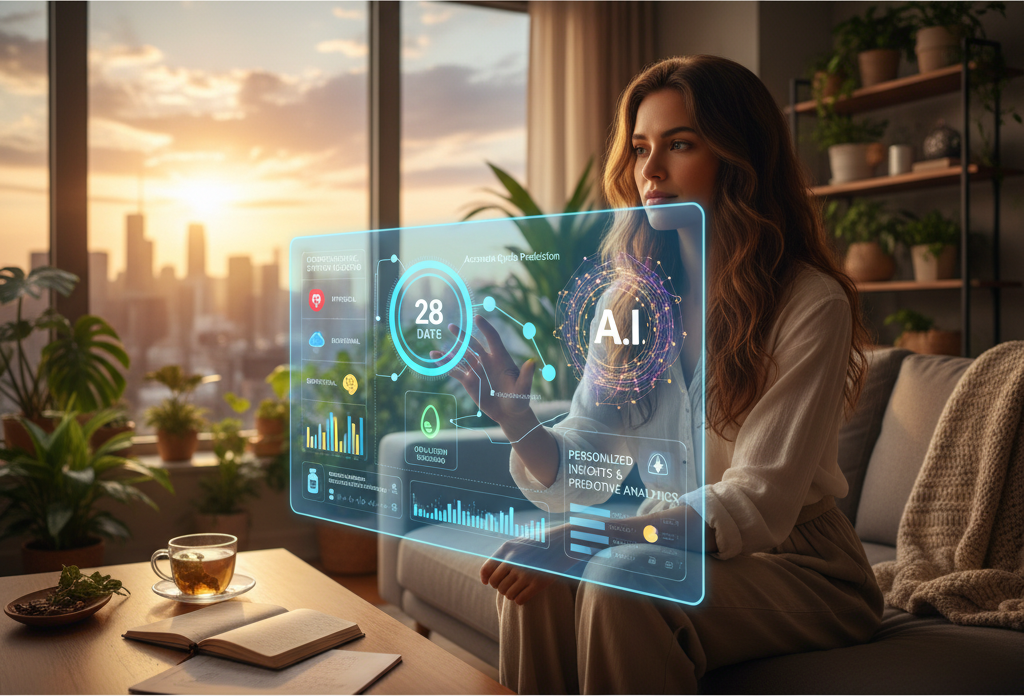
The technological advancements by 2026 have transformed the simple **period tracker app** into a sophisticated health management platform. Users now expect a comprehensive suite of features that offer accuracy, personalization, and actionable insights. Understanding these essential functionalities is crucial when choosing an app that truly meets contemporary needs and expectations.
Accurate Cycle Prediction and Ovulation Tracking
At the core of any excellent **period tracker app** is its ability to provide highly accurate cycle and ovulation predictions. Leveraging advanced algorithms and machine learning, the best apps analyze historical data, basal body temperature (BBT), cervical mucus observations, and even hormone levels from integrated wearables or at-home test kits. This allows for precise forecasting of period start dates, fertile windows, and ovulation, which is vital for both conception planning and contraception.
The accuracy of these predictions improves over time as the app gathers more data, learning the unique rhythms of an individual’s body. Users can expect visual representations of their cycle, including probability percentages for fertile days and projected period dates, making complex biological processes easy to understand. This predictive power is a key differentiator for leading apps in the market.
Comprehensive Symptom Logging: Physical, Emotional, and Behavioral
A truly valuable **period tracker app** goes beyond just tracking bleeding. It offers extensive options for logging a wide array of symptoms, encompassing physical sensations (cramps, bloating, headaches, breast tenderness, acne), emotional states (mood swings, anxiety, depression, irritability, energy levels), and behavioral patterns (sleep changes, appetite shifts, libido). This detailed logging capability allows users to build a rich, personalized health profile.
The ability to categorize and visualize these symptoms in relation to cycle phases helps users identify recurring patterns and understand how their body changes throughout the month. This granular data is invaluable for self-awareness, symptom management, and discussions with healthcare providers. Many apps also allow for custom symptom additions, ensuring complete personalization.
Medication Reminders and Health Log Integration
Modern **period tracker app** solutions often include features for medication tracking and broader health log integration. Users can set reminders for daily medications, contraceptives, or supplements, ensuring adherence to treatment plans. Furthermore, the ability to log other health-related events, such as doctor’s appointments, medical procedures, or changes in diet and exercise, provides a holistic view of health.
This integration transforms the app into a centralized health diary, allowing users to see how different factors might influence their cycle and overall well-being. For instance, logging a new medication might correlate with a change in cycle length or symptom intensity, offering valuable insights. This comprehensive logging capability supports a more integrated approach to personal health management.
Personalized Insights and Predictive Analytics (Powered by AI)
The most advanced **period tracker app** offerings in 2026 are heavily powered by artificial intelligence and machine learning. These technologies analyze vast amounts of user-logged data (anonymized and aggregated for privacy) to provide highly personalized insights and predictive analytics. Instead of generic advice, users receive tailored information about their unique cycle patterns, potential health risks, and recommendations for lifestyle adjustments.
AI can identify subtle correlations between symptoms, moods, and cycle phases that might be imperceptible to the human eye. It can predict future symptom occurrences, suggest optimal times for certain activities, and even offer personalized wellness tips. This shift from data collection to intelligent data interpretation is what truly elevates a premium **period tracker app**.
Customizable Notifications and Reminders
Effective communication is key, and the best apps offer highly customizable notifications and reminders. These can range from alerts for an upcoming period or fertile window to reminders for logging symptoms, taking medication, or performing self-exams. Users can tailor these notifications to their preferences, choosing the timing, frequency, and type of alert.
This personalization ensures that the app remains a helpful assistant rather than an intrusive one. Timely reminders can significantly improve adherence to tracking routines and proactive health management, making the **period tracker app** an indispensable part of a daily wellness regimen.
Educational Resources and Health Articles
Beyond tracking, a top-tier **period tracker app** serves as a valuable educational hub. It provides access to a library of authoritative health articles, FAQs, and resources covering topics related to reproductive health, hormonal balance, fertility, pregnancy, and general well-being. These resources are typically curated by medical professionals or experts in the field, ensuring accuracy and reliability.
This educational component empowers users with knowledge, helping them better understand their bodies, interpret their data, and make informed decisions about their health. It transforms the app from a mere data logger into a trusted source of information, fostering greater health literacy.
Community Support and Forums (Optional but valuable)
While not a core feature for every user, some of the most popular **period tracker app** platforms offer integrated community support forums. These safe, moderated spaces allow users to connect with others who share similar experiences, ask questions, and offer mutual support. This can be particularly valuable for individuals dealing with fertility challenges, chronic conditions, or simply seeking a sense of shared understanding.
The option to engage with a community can foster a sense of belonging and reduce feelings of isolation often associated with personal health journeys. It provides an additional layer of support and shared knowledge, enhancing the overall value proposition of the **period tracker app**.
Navigating the Digital Landscape: Choosing the Right Period Tracker App for You
With a multitude of options available in 2026, selecting the ideal **period tracker app** can feel daunting. The key is to approach the decision strategically, evaluating various factors against your personal needs and priorities. This section provides a comprehensive guide to navigating the digital landscape and making an informed choice.
Assessing Your Personal Needs: From Basic Tracking to Advanced Fertility
The first step in choosing a **period tracker app** is to clearly define your primary objectives. Are you simply looking for a reliable way to predict your next period? Or do you require advanced features for fertility awareness, trying to conceive, or managing a specific health condition like PCOS? Your needs will dictate the complexity and feature set required from the app.
For basic tracking, a simpler, free app might suffice. However, for advanced fertility charting, comprehensive symptom logging, or integration with wearables, you’ll need a more robust, potentially premium **period tracker app**. Make a list of your non-negotiable features and desired functionalities before exploring options.
User Interface and User Experience (UI/UX): Intuitive Design Matters
An app, no matter how feature-rich, is only as good as its user experience. In 2026, users expect a clean, intuitive, and aesthetically pleasing interface. A good **period tracker app** should be easy to navigate, with clear icons, logical workflows, and minimal friction for data entry. The visual presentation of data, such as charts and graphs, should be easy to understand and interpret at a glance.
Test out several apps’ free versions or trials to gauge their UI/UX. Pay attention to how effortlessly you can log symptoms, view predictions, and access settings. An app that feels clunky or confusing will quickly lead to disengagement and inconsistent tracking, undermining its core purpose. The ease of use is paramount for long-term adherence.
Compatibility with Devices: iOS, Android, Wearables
Ensure the **period tracker app** you choose is compatible with your primary devices. Most leading apps are available on both iOS and Android platforms, but check for specific version requirements. More importantly, if you utilize smartwatches, fitness trackers (e.g., Apple Watch, Oura Ring, Garmin), or other health gadgets, verify seamless integration capabilities.
The ability for the **period tracker app** to automatically import data like sleep patterns, heart rate variability, or activity levels from your wearables significantly enhances its accuracy and convenience. This reduces manual data entry and provides a more holistic view of your health, making the app a truly integrated part of your digital ecosystem. For insights on building such integrated mobile experiences, consider resources like Build Mobile App Garage2Global.
Cost Considerations: Free vs. Premium Features and Subscription Models
Period tracker apps typically fall into three categories: completely free, freemium (basic features free, advanced features require payment), or subscription-based. Free apps are great for basic tracking but may lack advanced features, AI insights, or robust privacy controls, and might rely on advertising. Freemium models offer a taste of premium features, allowing you to upgrade if you find value.
Subscription models, while requiring a recurring payment, often provide the most comprehensive features, ad-free experience, priority support, and a stronger commitment to data privacy as their business model relies on user subscriptions, not data monetization. Evaluate the cost against the features offered and your budget. Consider if the value provided justifies the ongoing expense, especially for critical health management.
Reviews and Reputation: What Users and Experts are Saying in 2026
Before committing to a **period tracker app**, thoroughly research its reputation. Read user reviews on app stores (Google Play, Apple App Store) and consult independent expert reviews from reputable tech and health publications. Pay close attention to feedback regarding accuracy, reliability, customer support, and, critically, data privacy practices.
Look for apps that have a consistently high rating and positive comments about their functionality and user experience. Be wary of apps with numerous complaints about bugs, inaccurate predictions, or concerning privacy policies. A strong reputation, particularly in the privacy-conscious environment of 2026, is a significant indicator of trustworthiness.
The Importance of a Secure Period Tracker App for Your Data
In an era of increasing data breaches and privacy concerns, the security of your health data is paramount. A **period tracker app** collects highly sensitive personal health information, including reproductive status, symptoms, and potentially fertility data. Therefore, choosing an app with robust security measures and a transparent, user-friendly privacy policy is non-negotiable.
Look for apps that explicitly state their data encryption protocols, anonymization practices, and strict policies against third-party data sharing or monetization. This is not just a preference but a critical necessity for protecting your most intimate health information. The next section will delve deeper into the specifics of data privacy and security.
Protecting Your Health Data: Privacy and Security in a Period Tracker App
In 2026, the discussion around data privacy and security for health applications, especially a **period tracker app**, has intensified. As these apps collect intimate and sensitive information, understanding how your data is handled is paramount. This section outlines the critical aspects of privacy and security you must consider when choosing your digital health companion.
Understanding Data Collection Practices in 2026
Every **period tracker app** collects data, but the type and extent of data collection vary significantly. Beyond cycle dates and symptoms, some apps may request location data, integrate with social media, or track device identifiers. It’s crucial to understand what data points the app collects, how frequently, and why. A transparent app will clearly outline its data collection practices in its privacy policy.
Be wary of apps that collect excessive data beyond what’s necessary for their core functionality. For instance, if an app primarily tracks periods, it may not need access to your photo gallery or contact list. Understanding these practices helps you make an informed decision about the trade-off between features and privacy.
Encryption Standards and Data Anonymization
Robust encryption is the bedrock of data security. Ensure the **period tracker app** you choose uses industry-standard encryption protocols (e.g., AES-256 for data at rest, TLS/SSL for data in transit) to protect your information from unauthorized access. This means your data is scrambled and unreadable without the correct key, both when it’s stored on servers and when it’s being transmitted.
Furthermore, inquire about data anonymization practices. Many apps aggregate user data for research or feature development. True anonymization means stripping away all personally identifiable information, making it impossible to link the data back to an individual. Pseudo-anonymization, while better than nothing, still carries some risk. Prioritize apps that emphasize strong, verifiable anonymization.
Privacy Policies: What to Look For (and Red Flags)
The privacy policy is the legal document outlining how an app collects, uses, stores, and shares your data. In 2026, a transparent and easily understandable privacy policy is a non-negotiable requirement for any reputable **period tracker app**. Look for clear language, not legal jargon, that explicitly states:
* What data is collected.
* How the data is used (e.g., for personalized insights, product improvement, research).
* Whether data is shared with third parties, and if so, with whom and for what purpose.
* Your rights regarding your data (access, correction, deletion).
Red flags include vague language, policies that are difficult to find, excessive third-party sharing, especially for advertising or marketing, and an unclear process for data deletion. If a privacy policy feels deliberately obscure, it’s often a sign to look elsewhere.
Third-Party Sharing and Data Monetization Concerns
A major privacy concern with a **period tracker app** is the potential for third-party data sharing and monetization. Some free apps generate revenue by selling aggregated or even identifiable user data to advertisers, researchers, or data brokers. This can expose sensitive health information to entities you haven’t consented to.
Actively seek out apps that explicitly state they do NOT sell or share your personal health data with third parties for marketing or advertising purposes. Premium or subscription-based apps are often better in this regard, as their revenue model relies on user payments rather than data exploitation. Always read the fine print regarding data sharing, especially if an app is free.
User Controls: Consent, Data Deletion, and Access Rights
In 2026, users demand more control over their personal data. A reputable **period tracker app** should provide clear mechanisms for:
* **Granular Consent:** Allowing you to choose which types of data you consent to share or track.
* **Data Access:** Providing an easy way to view and download all your collected data.
* **Data Correction:** Enabling you to edit or correct any inaccurate information.
* **Data Deletion:** Offering a straightforward process to permanently delete your account and all associated data.
The ability to easily exercise these rights is a strong indicator of an app developer’s commitment to user privacy and adherence to modern data protection principles. If these controls are absent or difficult to find, consider it a significant warning sign.
Regulatory Landscape: GDPR, CCPA, and Emerging Global Data Protection Laws
The global regulatory landscape for data protection is increasingly stringent. Laws like the General Data Protection Regulation (GDPR) in Europe and the California Consumer Privacy Act (CCPA) in the US set high standards for how personal data, including health data, must be handled. Many other countries are enacting similar legislation.
When choosing a **period tracker app**, verify its compliance with these major regulations, even if you don’t reside in those regions. Compliance often indicates a higher standard of data protection globally. Companies that proactively adhere to these laws demonstrate a commitment to user privacy that extends beyond mere legal obligation. For more details on these regulations, refer to Wikipedia’s article on GDPR.
The Future is Now: AI, Wearables, and Advanced Integrations for Period Tracker Apps
The evolution of the **period tracker app** is rapidly accelerating, driven by breakthroughs in artificial intelligence, the proliferation of smart wearables, and sophisticated integration capabilities. In 2026, these innovations are not just futuristic concepts but integral components enhancing the functionality and value of leading apps. This section explores how these advanced technologies are shaping the next generation of period tracking.
Artificial Intelligence and Machine Learning for Hyper-Personalized Predictions
Artificial intelligence (AI) and machine learning (ML) are at the forefront of transforming the **period tracker app**. Beyond simple statistical averages, AI algorithms analyze an individual’s unique data points—including cycle history, symptom logs, mood fluctuations, sleep patterns, and even external factors like stress levels—to generate hyper-personalized predictions. This ensures greater accuracy in forecasting periods and ovulation, adapting to the nuances of each user’s body.
ML models continuously learn and refine their predictions as more data is collected, improving accuracy over time. They can identify subtle patterns and correlations that human observation might miss, offering insights into individual health trends and potential anomalies. This personalized intelligence elevates the **period tracker app** from a passive logger to an active, intelligent health coach.
Seamless Integration with Smartwatches and Fitness Trackers (e.g., Apple Watch, Oura Ring, Garmin)
The seamless integration of a **period tracker app** with smartwatches and fitness trackers is a game-changer. Devices like the Apple Watch, Oura Ring, and Garmin wearables collect a wealth of physiological data, including basal body temperature (BBT), heart rate variability (HRV), sleep stages, and activity levels. When this data flows directly into your **period tracker app**, it significantly enhances the accuracy of cycle and ovulation predictions.
Automatic data synchronization reduces manual input, making tracking effortless and more consistent. For instance, changes in BBT detected by an Oura Ring can be automatically logged and used by the app to pinpoint ovulation with greater precision. This convergence of hardware and software creates a powerful, hands-off health monitoring system. Such integrations are key aspects of modern Mobile App Development.
Hormone Level Tracking via Wearables and At-Home Kits
The future of the **period tracker app** also involves direct integration with hormone level tracking. New wearable sensors are emerging that can non-invasively monitor key hormone levels (like estrogen and progesterone) through sweat or interstitial fluid. Combined with advanced at-home testing kits for urine or saliva, this data provides a real-time, granular understanding of hormonal fluctuations throughout the cycle.
When this detailed hormonal data is fed into a **period tracker app**, it unlocks unprecedented levels of accuracy for fertility tracking, early detection of imbalances, and personalized health recommendations. This moves beyond symptomatic tracking to understanding the underlying biological drivers of the menstrual cycle, offering truly comprehensive insights.
Predictive Health Alerts and Early Warning Systems
Leveraging AI and integrated data, a sophisticated **period tracker app** in 2026 can function as an early warning system for potential health issues. By analyzing patterns in cycle irregularities, persistent symptoms, or significant deviations in wearable data (e.g., prolonged elevated resting heart rate, unusual sleep disturbances), the app can alert users to potential concerns.
These predictive alerts might suggest consulting a healthcare provider for conditions like thyroid dysfunction, perimenopausal changes, or even stress-related hormonal shifts. This proactive approach empowers users to seek medical advice sooner, potentially leading to earlier diagnosis and more effective intervention, transforming the app into a preventative health tool.
Telehealth Integration and Direct Consultations
The convenience of telehealth has become ingrained in healthcare, and the **period tracker app** is evolving to integrate directly with virtual care platforms. Users can securely share their detailed cycle and symptom data directly with their healthcare providers through the app, facilitating more informed telehealth consultations.
Some apps even offer in-app access to certified reproductive health specialists for direct consultations, prescription refills, or personalized advice. This seamless bridge between personal health data and professional medical care streamlines the healthcare process, making it more accessible and efficient for users.
Genomic Data Integration for Ultra-Personalized Health Insights
Looking further into advanced integrations, the **period tracker app** of the near future will begin to incorporate genomic data. By understanding an individual’s genetic predispositions, the app can offer ultra-personalized insights into hormonal responses, fertility potential, risk factors for certain conditions (like PCOS or endometriosis), and even optimal nutritional or exercise strategies tailored to genetic makeup.
This level of personalization, combining genetic insights with real-time physiological and symptomatic data, represents the pinnacle of individualized health management. It promises a truly bespoke approach to reproductive health, moving beyond general recommendations to genetically informed guidance.
Beyond Menstruation: Holistic Wellness with Your Period Tracker App
In 2026, the leading **period tracker app** has transcended its original purpose, evolving into a comprehensive holistic wellness platform. Recognizing the intricate connection between reproductive health and overall well-being, these advanced apps integrate various aspects of lifestyle and health tracking. This expansion offers users a more complete picture of their body and empowers them to optimize their health across multiple domains.
Nutrition and Diet Tracking for Hormonal Balance
The impact of nutrition on hormonal balance and menstrual health is profound. Modern **period tracker app** solutions often include robust features for tracking dietary intake, allowing users to log meals, macronutrients, and specific food groups. By correlating dietary patterns with cycle symptoms, energy levels, and mood, users can identify foods that support or hinder their hormonal health.
Some apps offer personalized nutritional recommendations tailored to different cycle phases, suggesting foods that can help manage PMS symptoms, support ovulation, or boost energy. This integration helps users make informed dietary choices that contribute to better hormonal regulation and overall well-being.
Sleep Quality Monitoring and Its Impact on Cycles
Sleep is a fundamental pillar of health, directly influencing hormonal regulation and cycle regularity. A sophisticated **period tracker app** integrates with sleep tracking features, either through direct logging or via connected wearables. Users can monitor sleep duration, quality, consistency, and even sleep stages.
Analyzing sleep data in conjunction with cycle information can reveal significant correlations. For example, poor sleep during the luteal phase might exacerbate PMS symptoms, or consistent sleep deprivation could contribute to cycle irregularities. The app helps users understand these connections and prioritize restorative sleep for better reproductive health.
Stress Management and Mindfulness Exercises
Stress is a known disruptor of hormonal balance and can significantly impact menstrual cycles. Recognizing this, many advanced **period tracker app** offerings now incorporate stress management and mindfulness features. These can include guided meditations, breathing exercises, journaling prompts, and tools for tracking perceived stress levels.
By logging stress alongside cycle data, users can identify periods of heightened stress and understand its influence on their symptoms or cycle length. The app can then recommend specific mindfulness practices or stress-reduction techniques, empowering users to proactively manage their mental and emotional well-being, thereby supporting hormonal harmony.
Exercise and Activity Logging Tailored to Cycle Phases
Physical activity is crucial for health, but the optimal type and intensity of exercise can vary throughout the menstrual cycle. A comprehensive **period tracker app** allows users to log their exercise routines and activity levels, often integrating with fitness trackers. More importantly, it can provide tailored exercise recommendations based on cycle phases.
For instance, high-intensity workouts might be recommended during the follicular phase when energy levels are typically higher, while restorative activities like yoga or gentle walks might be suggested during the luteal phase or menstruation. This personalized approach to fitness helps optimize performance, prevent overtraining, and support the body’s natural rhythms. For more general advice on app development, including health apps, consider Mobile App Development Tips.
Tracking Chronic Conditions Alongside Reproductive Health
For individuals managing chronic health conditions, integrating this tracking into a **period tracker app** offers a holistic view. Users can log symptoms related to conditions like diabetes, thyroid disorders, autoimmune diseases, or mental health conditions, and observe how these interact with their menstrual cycle. This integrated approach highlights potential correlations and impacts.
This comprehensive logging capability provides invaluable data for both the user and their healthcare providers, facilitating better management of complex health profiles. It underscores the app’s evolution beyond a singular focus to becoming a central hub for all personal health data.
Fertility Awareness Methods (FAM) and Natural Family Planning Support
For those who rely on Fertility Awareness Methods (FAMs) or Natural Family Planning (NFP) for conception or contraception, a sophisticated **period tracker app** is an essential tool. These apps provide detailed charts for tracking basal body temperature (BBT), cervical mucus observations, cervical position, and other fertility signs.
They offer educational resources on FAM principles and can help interpret the data to accurately identify fertile windows and predict ovulation. This support empowers users to confidently apply FAMs, offering a non-hormonal, self-knowledge-based approach to family planning.
Embracing the Future: The Enduring Value of a Period Tracker App
The journey through the capabilities and considerations of a **period tracker app** in 2026 reveals a tool that has grown exponentially in sophistication and utility. What began as a simple digital calendar has transformed into an indispensable, intelligent, and deeply personal health companion. Embracing this future means recognizing the profound impact these applications have on proactive health management and self-knowledge.
Recap of Key Benefits and Considerations
We’ve explored how a modern **period tracker app** offers unparalleled benefits, from understanding your unique cycle and supporting family planning to early detection of health issues and empowering conversations with healthcare providers. Its features, powered by AI and seamless integrations with wearables, provide hyper-personalized predictions, comprehensive symptom logging, and invaluable educational resources.
Crucially, we’ve emphasized the paramount importance of data privacy and security, urging users to scrutinize data collection practices, encryption standards, and privacy policies. The choice of an app must align with personal needs, user experience preferences, device compatibility, and cost considerations, all while prioritizing the protection of sensitive health information.
The Evolving Role of Digital Health Tools
The role of digital health tools, particularly the **period tracker app**, is continuously evolving. In 2026, these apps are no longer isolated utilities but integrated components of a broader digital health ecosystem. They connect with wearables, telehealth services, and even genomic data, offering a holistic view of health that was previously unattainable. This evolution signifies a shift towards preventative, personalized, and patient-centric healthcare.
As technology advances, these apps will become even more intelligent, offering predictive health alerts, personalized interventions, and seamless communication channels with medical professionals. They are at the forefront of empowering individuals to become active participants and informed decision-makers in their own health journeys.
Empowering Self-Knowledge and Proactive Health Management
At its core, the enduring value of a **period tracker app** lies in its ability to empower self-knowledge. By providing detailed insights into your body’s rhythms, hormonal fluctuations, and symptom patterns, it fosters a deeper understanding of your unique physiology. This knowledge is the foundation for proactive health management, allowing you to make informed lifestyle choices, seek timely medical advice, and advocate effectively for your health needs.
In a world brimming with health information, a personalized tool that distills complex data into actionable insights is invaluable. It helps individuals navigate their reproductive health with confidence, whether they are managing a condition, planning a family, or simply striving for better overall well-being.
Final Recommendations for Choosing Your Ideal App in 2026
When selecting your ideal **period tracker app** in 2026, prioritize security, transparency, and personalization. Look for apps that offer robust AI-driven insights, seamless wearable integration, and comprehensive educational resources. Always review privacy policies meticulously and ensure the app aligns with your specific health goals, whether they be basic tracking, fertility awareness, or holistic wellness management. Investing time in choosing the right **period tracker app** is an investment in your health and future well-being.