Unlocking Creative Visuals: The Ultimate Guide to the TV Effect Box in 2026
The Resurgence of Retro Aesthetics in Modern Media
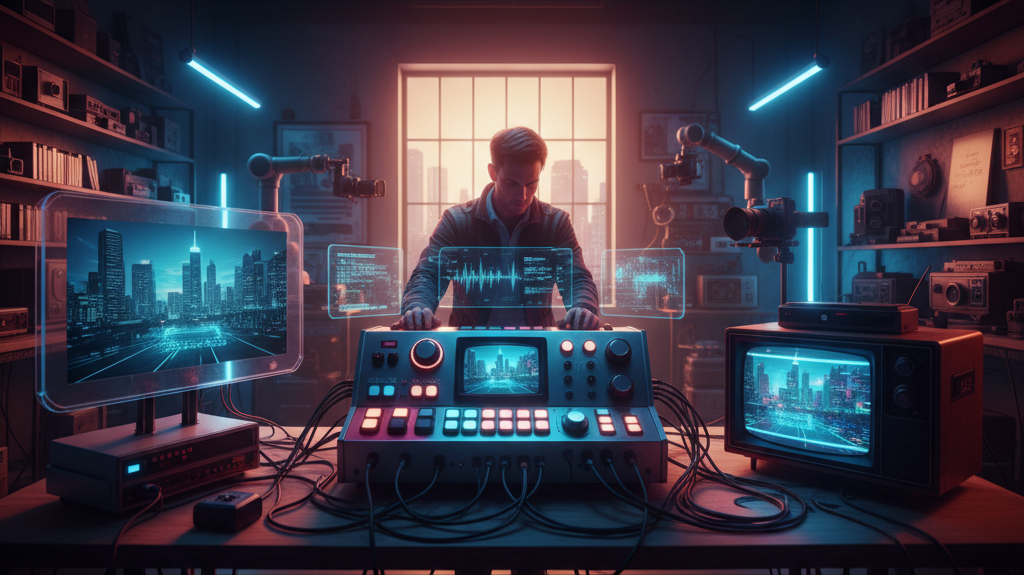
In the dynamic landscape of 2026, where ultra-high definition and photorealistic rendering often dominate, there’s a compelling and growing counter-movement embracing the charm of imperfections. This resurgence of retro aesthetics isn’t just a nostalgic fad; it’s a deliberate artistic choice, reflecting a desire for warmth, character, and a break from digital sterility. Content creators, filmmakers, musicians, and live streamers are increasingly seeking ways to infuse their visuals with a distinct, vintage flavor, reminiscent of broadcast television from decades past. This pursuit of unique visual texture has propelled the modern tv effect box into the spotlight, making it an indispensable tool for contemporary artists.
From the subtle degradation of VHS tapes to the vibrant scanlines of CRT monitors, these classic visual signatures evoke a powerful sense of nostalgia and authenticity. They offer a unique visual language that can convey specific moods, enhance storytelling, and differentiate content in a crowded digital world. The demand for tools that can faithfully recreate or creatively manipulate these effects has never been higher, leading to significant advancements in dedicated hardware and software solutions that cater to this specific creative niche.
What to Expect from This Comprehensive Guide to Visual Processing
This article serves as your definitive guide to understanding, selecting, and mastering the modern tv effect box in 2026. We will delve deep into the technology, artistic applications, and practical considerations that define this exciting category of visual processors. Whether you’re a seasoned professional looking to upgrade your setup or a newcomer eager to explore the world of visual manipulation, this guide will provide invaluable insights.
We’ll explore everything from the historical roots of visual processing to the cutting-edge integration of AI and machine learning in current devices. Our journey will cover diverse hardware and software options, discuss critical features like connectivity and resolution compatibility, and offer practical advice on integrating a tv effect box into various creative workflows. By the end, you’ll be equipped with the knowledge to make informed decisions and unleash your creative potential with these powerful visual tools.
What Exactly is a TV Effect Box? Defining the Modern Visual Processor
From Analog Glitch Art to Digital Precision: A Brief History
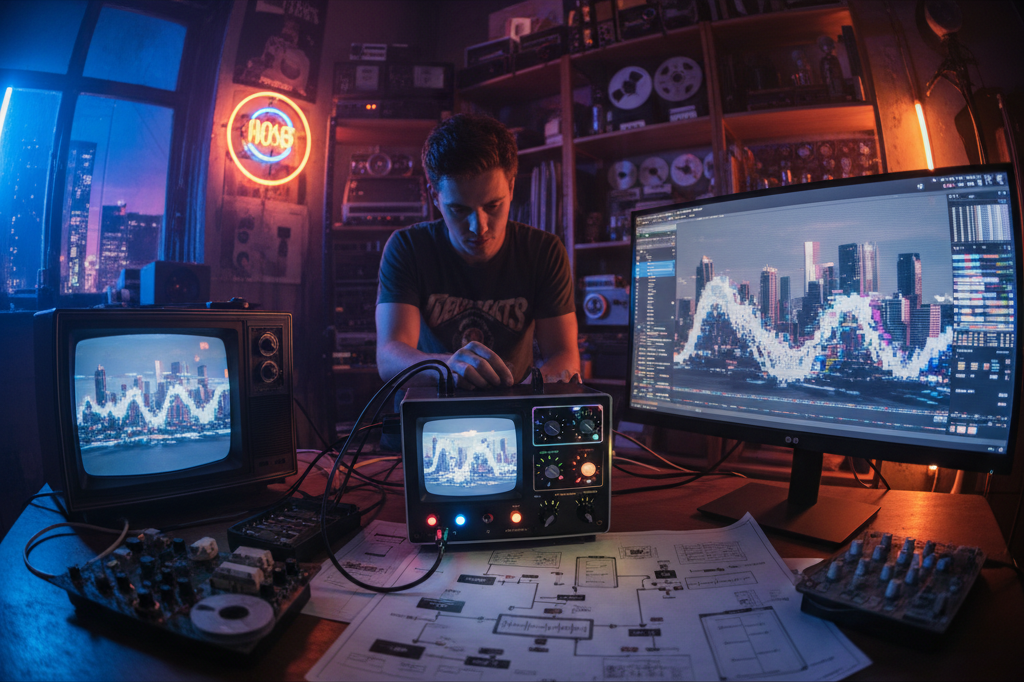
The concept of a “tv effect box” has roots stretching back to the early days of video art and experimental television. Artists in the 1970s and 80s would often circuit-bend consumer electronics, manipulate analog video signals, or use dedicated video synthesizers to create abstract, distorted, and mesmerizing visuals. These early explorations laid the groundwork for what we now recognize as glitch art and lo-fi aesthetics. The limitations of analog technology, such as signal interference, tape degradation, and broadcast artifacts, were often embraced as artistic elements, creating unique textures and moods.
As video production transitioned from analog to digital, the raw, unpredictable nature of these effects became harder to achieve with pristine digital signals. For a time, these aesthetics were largely relegated to niche communities. However, with the rise of digital tools and the increasing sophistication of processing power, developers began creating software emulators and hardware devices specifically designed to replicate and expand upon these classic visual distortions. Today, the modern tv effect box bridges this gap, offering precise control over effects that once relied on happy accidents, while also pushing the boundaries with new, digitally native manipulations.
Core Functionalities and Artistic Intent
At its core, a tv effect box is a specialized video processor designed to alter the visual characteristics of an incoming video signal, outputting a modified signal with desired aesthetic qualities. Its primary function is to introduce specific types of degradation, distortion, color shifts, and textural elements that mimic or creatively expand upon the visual artifacts associated with older television and video formats. This isn’t about improving image quality; it’s about transforming it for artistic expression.
Artistic intent behind using a tv effect box is diverse. It can be used to evoke nostalgia, create surreal dreamscapes, add grit and realism to fictional narratives, or simply make content stand out with a distinct visual signature. Common effects include scanline generation (mimicking CRT screens), chroma key shifting, color bleeding, video noise/static, signal interference simulation, VHS tracking errors, and pixelation. These tools empower creators to inject personality and atmosphere into their visuals, moving beyond the often sterile perfection of untouched digital footage.
Differentiating a TV Effect Box from Standard Video Processors and NLE Effects
While a standard video processor might focus on upscaling, de-interlacing, color correction, or signal conversion for technical optimization, a tv effect box is purpose-built for aesthetic manipulation. Its goal is not fidelity but artistic transformation. Similarly, while Non-Linear Editing (NLE) software like Adobe Premiere Pro or DaVinci Resolve offers a vast array of effects and plugins, dedicated tv effect boxes often provide a more authentic, real-time, and sometimes analog-driven approach to visual degradation.
Many NLE effects are digital approximations that can sometimes feel artificial. A specialized tv effect box, especially hardware units, can offer a unique organic quality, particularly when dealing with analog signal paths or highly complex algorithmic distortions that are difficult to replicate purely in software. Furthermore, the tactile control offered by hardware units often fosters a more intuitive and performative creative process, making the tv effect box a distinct and valuable category of its own for visual artists and content creators.
Exploring the Diverse World of TV Effect Box Devices and Software
Hardware Solutions: Standalone Units and Modular Systems (e.g., Eurorack, dedicated units)
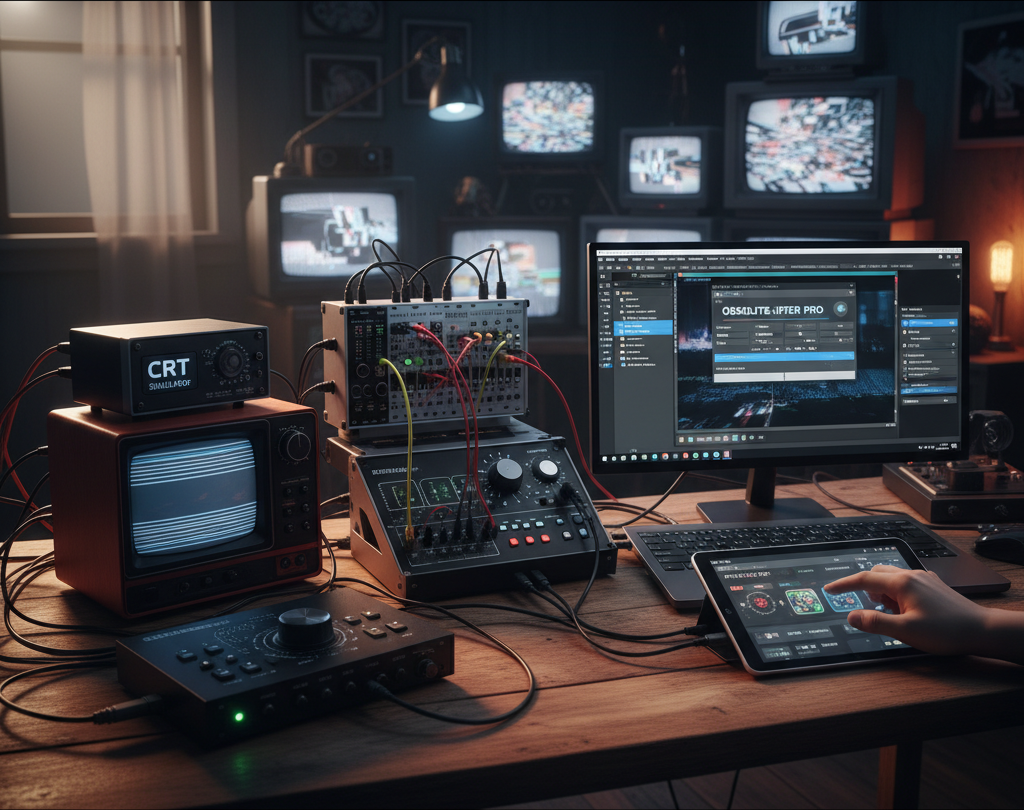
Hardware tv effect boxes offer a tangible, often real-time processing experience. These can range from compact, dedicated standalone units designed for specific effects to complex modular systems that allow for unparalleled customization. Dedicated units, such as those from brands like Looperlative or Dirtywave, might focus on a specific aesthetic, like VHS degradation or glitch generation, offering robust build quality and intuitive controls. They are often favored for their immediate feedback and unique analog signal paths.
Modular systems, particularly within the Eurorack format, represent the pinnacle of hardware flexibility. Video synthesis modules, including those that generate and process “tv effects,” can be combined in endless configurations. Brands like LZX Industries, Tachyons+, and Freedom Enterprise offer modules that perform everything from complex waveform generation to color manipulation and signal feedback loops, allowing artists to build highly personalized visual instruments. These systems are ideal for experimental artists, VJs, and those seeking a deep, hands-on connection with their visuals. The distinct character of a hardware tv effect box often stems from its unique circuitry.
Software Emulators and Plugins: Flexibility for Digital Workflows (e.g., VST, OBS plugins, standalone apps)
For those working primarily in digital environments, software emulators and plugins provide immense flexibility and accessibility. These solutions allow users to apply tv effects directly within their existing digital audio workstations (DAWs), NLEs, streaming software, or as standalone applications. VST (Virtual Studio Technology) plugins, originally for audio, have seen visual counterparts emerge, enabling real-time visual processing often synced with audio.
OBS Studio, a cornerstone for live streamers, boasts a growing ecosystem of plugins that can add retro filters, scanlines, and glitch effects directly to live camera feeds or screen captures. Standalone applications, such as those that simulate specific CRT monitors or VHS players, offer highly detailed and customizable emulations for post-production or pre-recorded content. Popular options include tools from programs like After Effects or dedicated visual effects software, providing a powerful and cost-effective way to integrate tv effects into any digital workflow. This approach makes the tv effect box accessible to a broader audience.
Hybrid Approaches: Combining Physicality with Digital Control Interfaces
The boundary between hardware and software is increasingly blurred, giving rise to powerful hybrid solutions. These setups often involve a physical tv effect box that processes video signals, but its parameters are controlled via a digital interface, such as a computer application, MIDI controller, or even a smartphone app. This combines the unique processing characteristics of hardware with the precise, recallable control of software.
For example, some hardware units might offer USB-C connectivity for deep parameter editing and preset management through a desktop application, allowing users to save and recall complex effect chains that would be cumbersome to dial in manually. This approach offers the best of both worlds: the authentic signal manipulation of hardware coupled with the convenience and programmability of digital control. It’s a testament to the evolving nature of the tv effect box market.
Specialized Boxes for Specific Aesthetics (e.g., CRT Simulation, VHS Degradation, Glitch Art, Lo-Fi)
The market for tv effect boxes has matured to offer highly specialized tools catering to specific aesthetic preferences. Instead of a general-purpose effect unit, creators can now find devices or software meticulously designed to achieve a particular look. CRT simulation boxes, for instance, don’t just add scanlines; they often replicate phosphor glow, barrel distortion, color bleed, and even the subtle hum of an old display, providing an incredibly authentic visual experience.
VHS degradation units are engineered to mimic tape wear, tracking errors, color shifts, and dropout artifacts with remarkable accuracy, making them indispensable for filmmakers aiming for a truly retro feel. Glitch art generators focus on intentional data corruption, pixel sorting, and signal interference for abstract, often chaotic visuals. Lo-fi processors might combine elements of several vintage aesthetics to create a generally degraded, warm, or hazy look. This specialization ensures that whatever specific vintage aesthetic you’re chasing, there’s a tv effect box tailored to your needs, offering unparalleled control and authenticity.
The Mechanics Behind the Magic: How TV Effect Boxes Work in 2026
Signal Flow: Input, Processing, and Output Stages
Understanding the signal flow is fundamental to mastering any tv effect box. Typically, a video signal originates from a source device—be it a camera, gaming console, media player, or computer. This signal enters the tv effect box through one of its input ports. Common input types in 2026 include HDMI 2.1, USB-C, SDI, and various analog connections like RCA or BNC, depending on the unit’s design and intended use. Once inside, the raw video data or analog waveform undergoes processing.
The processing stage is where the magic happens. Here, the tv effect box applies its unique algorithms or analog circuitry to manipulate the incoming signal. This can involve altering pixel data, modifying color information, introducing noise, or dynamically distorting the image geometry. After the desired effects are applied, the modified signal exits the box via an output port, which often mirrors the input options (HDMI, USB-C, SDI, etc.), ready to be displayed on a monitor, recorded by a capture card, or streamed live. This seamless flow ensures real-time application of effects.
Analog vs. Digital Processing Techniques and Their Unique Characteristics
The core of a tv effect box’s character often lies in whether it employs analog, digital, or hybrid processing techniques. Analog processors work directly with the continuous electrical waveforms of video signals. This approach often results in organic, unpredictable, and sometimes beautiful imperfections that are difficult to perfectly replicate digitally. Analog effects tend to have a “warmth” or “grittiness” that some artists prefer, as the signal degradation is inherent to the physical components and their interactions. Examples include voltage-controlled oscillators, feedback loops, and circuit bending.
Digital processors, on the other hand, convert the video signal into discrete data points (pixels and their color values) and apply mathematical algorithms to manipulate them. This offers precise, repeatable control over effects, allowing for highly complex and layered transformations. Digital techniques can simulate analog effects with remarkable accuracy, but also open up possibilities for effects that are purely digital in nature, such as pixel sorting, data corruption, and generative patterns. Many modern tv effect boxes are hybrid, using digital control over analog components or vice-versa, to combine the best aspects of both worlds.
Understanding Key Effect Parameters (Scanlines, Distortion, Color Shift, Noise, Jitter)
To effectively use a tv effect box, it’s crucial to understand the key parameters you’ll be manipulating. Scanlines recreate the horizontal lines visible on CRT displays, often adjustable in thickness, intensity, and curvature. Distortion encompasses a wide range of effects, from subtle geometric warps (like barrel or pincushion distortion) to extreme signal bending that creates abstract visual artifacts. Color shift parameters allow you to manipulate hue, saturation, and luminance, often replicating the color bleeding or desaturation seen in older video formats.
Noise introduces random visual interference, mimicking static, grain, or signal degradation, with controls for intensity, pattern, and color. Jitter refers to small, rapid, and often random movements or instabilities in the image, simulating tracking errors, unstable signals, or camera shake. Many units will also offer controls for chroma bleed, ghosting, interlace artifacts, and aspect ratio manipulation, each contributing to the unique character of the final visual. Mastering these parameters unlocks the full potential of your tv effect box.
The Role of AI and Machine Learning in Next-Gen Visual Effects Generation
The year 2026 sees artificial intelligence and machine learning playing an increasingly significant role in the evolution of the tv effect box. AI algorithms are now being employed to analyze incoming video signals in real-time and intelligently apply effects that adapt to content, rather than just being static overlays. For instance, an AI-powered tv effect box might dynamically adjust scanline intensity based on the brightness of a scene, or introduce VHS tracking errors that realistically respond to sudden camera movements.
Furthermore, generative AI models are being trained on vast datasets of vintage video footage, allowing them to create entirely new, yet authentic-looking, visual degradations and glitches that go beyond simple parameter adjustments. This means a tv effect box can now offer “smart” retro effects, or even generate unique, complex visual textures that evolve over time, providing artists with unprecedented creative possibilities and pushing the boundaries of what’s achievable with visual processing tools. This integration makes the tv effect box a truly forward-looking piece of equipment.
Key Features and Considerations When Choosing Your TV Effect Box in 2026
Connectivity Options (HDMI 2.1, USB-C, SDI, Analog RCA/BNC, Wireless Protocols)
In 2026, connectivity is paramount when selecting a tv effect box, as it dictates how seamlessly the unit integrates into your existing setup. Modern boxes should ideally offer HDMI 2.1 for high-bandwidth, low-latency connections, supporting resolutions up to 8K and high refresh rates. USB-C is becoming standard for power, data transfer, and even video input/output, offering versatility for laptops, tablets, and newer cameras. For professional broadcast or studio environments, SDI (Serial Digital Interface) remains a robust choice for long cable runs and reliable performance.
Don’t overlook analog RCA or BNC inputs/outputs if you plan to interface with older equipment, capture vintage footage, or desire the unique characteristics of analog signal paths. Some advanced units may also incorporate wireless protocols like Wi-Fi 6E or Bluetooth for remote control, firmware updates, or even wireless video transmission for certain applications. Ensure the chosen tv effect box aligns with your sources and displays to avoid compatibility headaches and ensure a smooth workflow.
Resolution and Refresh Rate Compatibility (4K, 8K, High Refresh Rates for Gaming)
As display technology continues to advance rapidly, your tv effect box must keep pace. In 2026, 4K resolution is standard, and 8K is becoming increasingly common, especially for high-end content creation and large displays. Ensure the unit you choose can accept and output signals at your desired resolution without downscaling or introducing artifacts. For gamers and live streamers, high refresh rates (120Hz, 144Hz, or even 240Hz) are crucial for smooth visuals and low latency.
A tv effect box that supports these high refresh rates while applying effects in real-time is a significant advantage, especially if you’re aiming to stream or record gameplay with retro aesthetics. Always check the specifications carefully to confirm compatibility with your source devices and target displays. An incompatible unit could lead to frustrating bottlenecks or a degraded visual experience, undermining the creative intent of your tv effect box.
Real-Time Control, Customization, and Programmability
The ability to control and customize effects in real-time is a hallmark of a great tv effect box. Look for units with intuitive physical controls like knobs, sliders, and buttons that allow for immediate manipulation of parameters during live performances or while monitoring your output. The tactile feedback of hardware controls can be incredibly inspiring and responsive. Beyond immediate control, programmability is key for complex workflows.
Many advanced boxes offer the ability to save and recall presets, create custom effect chains, and even program sequences of effects. MIDI input/output is a valuable feature, allowing integration with MIDI controllers, DAWs, or VJ software for synchronized control. Some units also provide API access or scripting capabilities for deep customization and automation, enabling users to truly tailor the tv effect box to their unique creative vision and integrate it seamlessly into larger systems.
Integration with Existing Setups (DAWs, OBS, VJ Software, Gaming Consoles)
A tv effect box should enhance, not complicate, your existing workflow. Consider how easily it integrates with the tools you already use. For audio-visual artists, synchronization with Digital Audio Workstations (DAWs) is crucial, often achieved via MIDI or dedicated sync protocols. Live streamers will want seamless compatibility with OBS Studio, Streamlabs OBS, or other streaming platforms, possibly through direct plugins or capture card integration.
VJs (Video Jockeys) require robust integration with VJ software like Resolume or VDMX for real-time visual mixing and performance. Gamers need low-latency passthrough and compatibility with gaming consoles (PlayStation, Xbox, Nintendo Switch) and PCs, often via HDMI. Before purchasing, research user experiences and compatibility guides to ensure your chosen tv effect box plays well with your entire creative ecosystem. This prevents frustrating roadblocks and maximizes utility.
Portability, Durability, and Power Requirements
Depending on your use case, portability and durability can be critical factors. If you plan to use your tv effect box for live events, mobile streaming, or on-location shoots, a compact, lightweight, and robust unit is essential. Look for solid metal casings, well-protected ports, and components designed to withstand the rigors of travel and frequent setup/teardown. For studio use, these factors might be less critical, but build quality always contributes to longevity.
Power requirements are also an important consideration. Battery-powered units offer maximum portability but require careful management of battery life. USB-powered devices are convenient, drawing power from a computer or power bank. Mains-powered units offer consistent performance but tie you to an outlet. Assess your typical operating environment and choose a tv effect box that meets your practical needs for power and resilience.
Integrating a TV Effect Box into Your Creative Workflow
For Live Streamers and Content Creators: Enhancing Viewer Engagement
For live streamers and content creators, a tv effect box is a game-changer for enhancing viewer engagement and establishing a unique brand identity. In a saturated online landscape, distinguishing your stream or video content is paramount. Applying real-time retro filters, glitch effects, or CRT simulations can instantly make your content stand out, creating a distinctive aesthetic that viewers remember and appreciate. Imagine a gaming stream where the visuals occasionally glitch out in a compelling way, or a commentary video with a nostalgic, lo-fi broadcast feel.
These effects can be used subtly to add atmosphere or boldly to punctuate specific moments, reacting dynamically to gameplay, chat interactions, or audio cues. Integrating a tv effect box with OBS Studio or similar streaming software allows for seamless application of these effects to your camera feed, screen share, or even specific elements of your overlay. This level of visual polish and unique styling helps to cultivate a loyal audience by offering an experience that goes beyond standard, unadorned digital video.
Enhancing Music Videos and Live Audiovisual Performances
The synergy between visual and auditory experiences is central to music videos and live audiovisual performances. A tv effect box provides an unparalleled toolset for VJs, musicians, and video artists to create immersive and captivating shows. In music videos, these effects can evoke specific eras, enhance lyrical themes, or simply add a raw, artistic edge that complements the music. Think of a synthwave track paired with VHS tracking lines and neon color shifts, or an experimental electronic piece accompanied by chaotic glitch art.
During live performances, a hardware tv effect box can be integrated directly into the signal chain, allowing artists to manipulate visuals in real-time, reacting to the music’s rhythm, tempo, and mood. This creates a dynamic, evolving visual landscape that transforms the performance into a truly multisensory experience. Many units offer MIDI sync, enabling tight synchronization between audio events and visual effects, making the tv effect box an essential instrument for contemporary audiovisual artists.
Adding Unique Flair to Film, Short Form Video, and Documentary Productions
Filmmakers and video producers are increasingly turning to the tv effect box to add unique flair, emotional depth, and period authenticity to their projects. For a narrative film, a subtle CRT filter can instantly establish a period setting or convey a character’s subjective, dreamlike state. In a documentary, a VHS degradation effect can lend an archival, found-footage quality to historical segments, making them feel more authentic and visceral. Short-form videos, particularly for social media, benefit immensely from distinctive visual styles that grab attention and convey mood quickly.
The ability to apply these effects in post-production, or even capture them in-camera with certain hardware units, provides immense creative control. Beyond simple filters, a tv effect box allows for nuanced manipulation of color, texture, and signal integrity, enabling filmmakers to craft a visual language that is both unique and deeply resonant with their storytelling goals. This artistic choice differentiates content in a visually saturated market.
Experimental Art Installations, VJing, and Interactive Media
For experimental artists, VJs, and creators of interactive media, the tv effect box is a foundational tool for pushing boundaries. In art installations, these units can transform mundane video feeds into mesmerizing, ever-evolving visual tapestries, reacting to sensors, audience input, or generative algorithms. The unpredictable nature of some analog tv effect boxes, combined with digital control, can lead to truly unique and unrepeatable visual experiences, making each viewing a novel event.
VJing, the art of live video mixing, relies heavily on tools that allow for real-time manipulation and creative expression. A tv effect box provides a dedicated instrument for visual performance, enabling VJs to layer, distort, and transform video clips in sync with music and audience energy. In interactive media, these effects can be triggered by user input, creating dynamic visual feedback that enhances engagement and immersion, opening new avenues for artistic expression and user experience design.
Setting Up Your First TV Effect Box: A Step-by-Step Guide
- Identify Your Source and Destination: Determine what device will feed video into your tv effect box (e.g., camera, console, PC) and where the processed signal will go (e.g., monitor, capture card, projector).
- Choose Your Connectivity: Based on step 1, select the appropriate cables (HDMI, USB-C, RCA, etc.) for both input and output. Ensure your cables are of good quality, especially for high-resolution signals.
- Connect the Input: Plug the video output from your source device into the input port of your tv effect box. Ensure a secure connection.
- Connect the Output: Connect the output port of your tv effect box to the input of your destination device (e.g., monitor, capture card).
- Power On: Connect the power supply to your tv effect box and turn it on. If it’s USB-powered, ensure your host device provides sufficient power.
- Configure Settings (Initial Setup): If applicable, access the unit’s menu or connected software to set basic parameters like input/output resolution, refresh rate, and any initial effect presets.
- Test and Adjust: Send a test signal through the chain. Begin experimenting with the controls on your tv effect box, observing the real-time changes on your display. Start with subtle effects and gradually increase intensity to understand each parameter’s impact.
- Integrate with Software (Optional): If using software control or streaming applications like OBS, configure the tv effect box as a video source or an effect plugin within your software for further manipulation and recording. This ensures your tv effect box is fully integrated.
Top TV Effect Box Hardware and Software Recommendations for 2026
Premium Hardware Units for Professional Studios and Live Events
For professionals demanding uncompromising quality, real-time performance, and robust build, several premium hardware tv effect box units stand out in 2026. The “RetroVision Pro X” from Glitchwerks is a leading contender, offering full 8K HDMI 2.1 pass-through, an extensive array of analog and digital glitch algorithms, and a tactile control surface with assignable MIDI. Its modular architecture allows for future expansion, making it a sound investment for high-end studios and VJs.
Another top choice is the “VHS-Master 3000” by TapeDeck Innovations, renowned for its hyper-realistic VHS degradation, including nuanced tracking errors, color bleed, and tape dropout simulations. It features SDI and HDMI 2.1 connectivity, making it ideal for broadcast and film production. For modular enthusiasts, the latest generation of LZX Industries’ video synthesis modules continues to set the standard for experimental and generative visual art, offering deep, analog-driven processing capabilities that make any tv effect box setup truly unique. These units represent the pinnacle of visual processing technology for dedicated professionals.
Best Software Plugins and Standalone Applications for Digital Artists
Digital artists benefit from a rich ecosystem of software solutions that bring the power of a tv effect box to their desktops. “Datamosh Pro 2026” by PixelForge is a highly acclaimed standalone application and plugin suite for NLEs (Adobe Premiere, DaVinci Resolve), offering advanced data corruption, pixel sorting, and compression artifact effects with unparalleled control. Its AI-driven “Smart Glitch” feature can generate organic, context-aware distortions, making it a versatile tv effect box for post-production.
For real-time streaming and performance, the “RetroStream FX” OBS plugin by StreamSense Technologies provides a comprehensive suite of CRT, VHS, and lo-fi filters that are optimized for low-latency application. It supports dynamic control via MIDI and integrates seamlessly with stream decks. Meanwhile, “CRT-Labs Emulator” by DisplayDynamics offers the most authentic CRT display simulation to date, replicating specific monitor models with accurate phosphor decay, scanlines, and geometric distortions, making it an essential tv effect box for period-accurate visuals.
Budget-Friendly and DIY Solutions for Enthusiasts and Makers
Entering the world of tv effects doesn’t require a professional budget. For enthusiasts and makers, several budget-friendly and DIY options provide excellent starting points. Single-board computers like the Raspberry Pi, when coupled with open-source software such as “Pi-Glitch” or custom Python scripts, can be transformed into surprisingly powerful video effect processors. These DIY tv effect box setups allow for deep learning and customization, perfect for those who enjoy tinkering.
On the more accessible end, various mobile apps and free browser-based tools offer basic retro filters and glitch effects, providing a taste of visual manipulation without significant investment. Additionally, several smaller manufacturers offer compact, dedicated hardware units under $300 that focus on one or two specific effects, like a simple VHS degrader or a basic glitch generator. These entry-level options are fantastic for exploring the potential of a tv effect box without breaking the bank, offering a low barrier to entry for creative experimentation.
Emerging Brands and Innovations to Watch in the Visual Effects Space
The visual effects space is constantly evolving, with several emerging brands pushing the boundaries of what a tv effect box can do in 2026. Keep an eye on companies like “NeuralFX” which is pioneering AI-driven generative effects, capable of creating entirely novel visual textures and animations based on user prompts or real-time video input. Their focus is on dynamic, intelligent effects that adapt and evolve, moving beyond static filters.
Another innovative player is “HapticVision”, developing tv effect boxes that integrate haptic feedback into their control surfaces, allowing artists to “feel” the intensity and texture of the effects they are applying. This adds a new dimension to real-time visual performance. Furthermore, companies exploring augmented reality (AR) integration, where retro effects can be dynamically applied to real-world environments captured by AR headsets, represent the cutting edge. These innovations promise to redefine the capabilities and interactive experience of the tv effect box in the years to come.
Mastering Advanced Techniques and Troubleshooting Your Setup
Chaining Multiple Effects for Complex and Layered Visuals
One of the most powerful advanced techniques with a tv effect box is chaining multiple effects together to create complex and layered visuals. This involves routing the output of one effect unit into the input of another, or applying multiple software plugins in sequence. For example, you might first apply a VHS degradation effect to your video, then feed that output into a glitch art generator, and finally add a CRT scanline simulation. Each subsequent effect processes the already altered signal, leading to unique and often unpredictable results.
Experimentation is key here. The order of effects can drastically change the final outcome, so don’t be afraid to rearrange your chain. Consider how each effect interacts with the others. A subtle color shift applied before a heavy distortion might look very different than if applied afterward. This technique allows for an incredible depth of visual texture and complexity, pushing the creative boundaries of what a single tv effect box can achieve on its own. It transforms your setup into a true visual synthesis studio.
Syncing Visuals with Audio for Immersive Audiovisual Experiences
Achieving truly immersive audiovisual experiences often hinges on tight synchronization between visuals and audio. Many modern tv effect boxes offer features specifically designed for this. MIDI input is common, allowing you to trigger effects, modulate parameters, or switch presets in time with musical cues from a DAW or a MIDI controller. Some units also feature audio input jacks that can analyze incoming audio signals (e.g., beat detection, frequency analysis) and use that data to drive visual effects dynamically.
For instance, a bass drum hit could trigger a momentary glitch, or the intensity of a synth melody could control the amount of scanline distortion. Software plugins often integrate directly with audio tracks in your NLE or DAW, allowing for frame-accurate syncing. Exploring the internal Iptv Encoder Box capabilities for audio analysis and MIDI control will unlock a new dimension of performance and artistic expression, making your visuals dance in harmony with your sound.
Common Issues and How to Solve Them (Signal Loss, Latency, Compatibility)
Even with the most advanced tv effect box, you might encounter common issues. Signal loss, where your display shows no image or a corrupted one, is often due to loose cables, incorrect input/output selection, or an incompatible resolution/refresh rate. Always double-check all connections, ensure your source and destination are set to compatible video modes, and try different cables. Latency, a delay between your input and the processed output, is particularly critical for live streaming and gaming.
While some latency is inherent in any processing, excessive delay can be caused by long cable runs, complex effect chains, or an underpowered tv effect box. Opt for shorter, high-quality cables (especially HDMI 2.1), simplify your effect chain if possible, and ensure your unit supports low-latency passthrough. Compatibility issues often arise when mixing older analog gear with modern digital setups. Use appropriate converters (e.g., analog-to-HDMI) and ensure they are high-quality to avoid further signal degradation. Consulting the manual for your specific tv effect box and related devices is always the first troubleshooting step.
Best Practices for Maintenance, Firmware Updates, and Longevity
To ensure your tv effect box performs optimally and lasts for years, follow some best practices. Regular cleaning, especially of ports and ventilation areas, prevents dust buildup that can lead to overheating. For hardware units, keep them in a cool, dry environment. Always use the manufacturer-recommended power supply to prevent electrical damage. Cable management is also important; avoid sharp bends or excessive tension on cables, as this can lead to signal degradation or port damage over time.
Firmware updates are crucial for bug fixes, performance improvements, and new features. Check the manufacturer’s website periodically for the latest updates and follow their instructions carefully during the update process. For software, keep your operating system and NLEs updated to ensure compatibility with your plugins. Back up any custom presets or configurations. By taking these steps, you safeguard your investment and maximize the creative potential of your tv effect box, ensuring it remains a reliable tool in your arsenal.
The Enduring Appeal and Future of the TV Effect Box
Predictions for the Next Generation of Visual Processors and AI Integration
Looking ahead from 2026, the next generation of tv effect boxes is poised for revolutionary advancements, largely driven by deeper AI integration and increased processing power. We anticipate visual processors that are not just reactive but truly intelligent, capable of understanding content context, artistic intent, and even user emotions to generate effects. Imagine a tv effect box that can analyze a scene and automatically apply the most aesthetically pleasing “vintage” filter, or dynamically adjust glitch intensity based on the narrative tension of a film.
Generative AI will move beyond simple stylistic transfers, creating entirely new visual ecosystems that can be sculpted with natural language prompts. Hardware units will feature increasingly powerful, specialized AI accelerators for real-time, ultra-high-resolution effect generation, potentially at 16K resolutions and beyond. The line between a dedicated visual processor and a generalized AI creative assistant will blur, offering unprecedented tools for artists to manifest their visions with the assistance of a sophisticated tv effect box.
The Intersection of Generative AI, VR/AR, and Retro Aesthetics
The future of the tv effect box will undoubtedly intersect with the burgeoning fields of Generative AI, Virtual Reality (VR), and Augmented Reality (AR). Imagine an AR headset that can apply real-time CRT scanlines or VHS tracking errors to your view of the physical world, transforming everyday environments into a retro dreamscape. Or a VR experience where the entire virtual world is rendered with dynamic glitch art, reacting to your movements and interactions.
Generative AI will play a pivotal role in creating these immersive, stylized realities. Artists will be able to design entire virtual environments or AR overlays with specific retro visual characteristics, dynamically altered by AI based on user input or environmental factors. This fusion will not only extend the application of retro aesthetics into new dimensions but also create entirely novel forms of interactive art and entertainment, cementing the tv effect box as a crucial component in future immersive media development.
Final Thoughts on Creative Expression and the Limitless Potential of Visual Manipulation
The journey through the world of the tv effect box reveals a vibrant and continuously evolving landscape of creative expression. From its humble analog beginnings to its sophisticated 2026 iterations infused with AI, this tool empowers artists to transcend the ordinary and infuse their visuals with character, emotion, and unique artistic signatures. It’s more than just applying filters; it’s about crafting a visual language that resonates deeply with audiences.
As technology progresses, the potential for visual manipulation remains limitless. The tv effect box will continue to be a catalyst for innovation, offering new ways to explore aesthetics, tell stories, and engage viewers. Whether you’re chasing the warmth of nostalgia or forging new visual paths, embracing the power of a dedicated tv effect box is an investment in unparalleled creative freedom and artistic distinction. The future of visual art is bright, and the tv effect box is at its forefront.