Introduction: The Rise of the AI Dermatologist in 2026

The year 2026 marks a pivotal moment in healthcare, particularly within dermatology, as artificial intelligence transitions from experimental technology to an indispensable tool. The concept of an ai dermatologist, once a futuristic vision, is now a tangible reality, reshaping how individuals access and experience skin health services. This comprehensive guide explores the multifaceted impact of AI in dermatology, from revolutionizing diagnostics to enhancing patient care and accessibility.
Driven by advancements in deep learning and computer vision, the ai dermatologist is no longer merely a concept but a sophisticated system capable of analyzing complex dermatological images with remarkable precision. This evolution is crucial as global healthcare systems grapple with increasing demands, specialist shortages, and the persistent need for earlier disease detection. Understanding the capabilities and implications of this technology is essential for both patients and practitioners navigating the modern medical landscape.
The Evolving Landscape of Digital Health and Telemedicine
Digital health and telemedicine have seen exponential growth, particularly accelerated by global events in the early 2020s. By 2026, these platforms are deeply integrated into routine medical practice, offering convenience and expanding reach beyond traditional clinic walls. Patients increasingly expect on-demand access to medical advice, and technology has risen to meet this demand, making remote consultations and digital health monitoring commonplace.
This evolving landscape provides fertile ground for AI-powered solutions to flourish, especially in visual specialties like dermatology. The ability to securely capture and transmit high-resolution images of skin conditions, combined with advanced AI processing, forms the bedrock of modern digital dermatology. This shift not only improves efficiency but also empowers patients with greater control over their health journeys.
Defining AI in Dermatology: Beyond Simple Image Recognition Apps
When we talk about an ai dermatologist in 2026, we are referring to far more than basic image recognition apps that merely categorize a mole as “suspicious” or “benign.” Modern AI in dermatology leverages sophisticated deep learning models, primarily Convolutional Neural Networks (CNNs), trained on vast datasets of clinically validated images. These systems can differentiate between subtle morphological features that might elude the human eye or require extensive specialist experience.
Beyond simple classification, advanced AI dermatologists can perform intricate analyses, including lesion segmentation, risk stratification, and even prediction of disease progression. They integrate patient history, genetic predispositions, and environmental factors to provide a holistic assessment, moving towards truly personalized medicine. This comprehensive approach differentiates current AI solutions from their rudimentary predecessors, establishing them as powerful diagnostic aids.
Why AI Dermatologist Solutions are Crucial for Modern Healthcare Access
The demand for dermatological services continues to outpace the supply of qualified specialists globally. Long waiting times, geographical barriers, and the high cost of specialist consultations often delay diagnosis and treatment, leading to poorer outcomes, especially for time-sensitive conditions like melanoma. This is where the ai dermatologist becomes an invaluable asset, democratizing access to expert-level skin health insights.
By providing immediate, preliminary assessments and guiding patients on whether a specialist consultation is urgently needed, AI solutions streamline the referral process. They act as a critical first line of defense, particularly in remote or underserved areas where dermatologists are scarce. This enhanced accessibility ensures that more individuals can receive timely care, ultimately improving public health outcomes and reducing the burden on overstretched healthcare systems.
How AI Dermatologist Tools Are Transforming Skin Health Diagnostics

The integration of AI into dermatological diagnostics is fundamentally reshaping how skin conditions are identified, monitored, and managed. These advanced tools offer unprecedented capabilities, moving beyond traditional methods to provide faster, more accurate, and more accessible diagnostic pathways. The impact of an ai dermatologist is felt across the entire spectrum of skin health.
From the moment a patient notices a new skin lesion to the ongoing management of chronic conditions, AI is there to assist. This transformative power stems from AI’s ability to process and interpret visual data at a scale and speed impossible for human clinicians alone. It augments human expertise, making diagnostic processes more robust and less prone to individual variability.
Revolutionizing Early Detection of Skin Cancers and Melanoma
Early detection is paramount in the fight against skin cancers, especially melanoma, where timely intervention dramatically improves survival rates. The ai dermatologist excels in this critical area, utilizing advanced algorithms to analyze dermoscopic images and identify suspicious lesions with high sensitivity and specificity. These systems can detect subtle changes in shape, color, and texture that might be overlooked during a rapid visual inspection.
Clinical trials in 2025 and early 2026 have consistently demonstrated that AI models can match, and in some cases even surpass, the diagnostic accuracy of experienced dermatologists for certain types of skin cancer. This capability means that more high-risk lesions are identified sooner, leading to earlier biopsies and treatments. This revolutionizes proactive screening programs, allowing for more frequent and consistent monitoring of at-risk individuals.
Accurate Diagnosis of Common Dermatological Conditions (Acne, Eczema, Psoriasis)
Beyond life-threatening conditions, the ai dermatologist also proves highly effective in diagnosing and managing common, yet often debilitating, dermatological conditions. For prevalent issues like acne, eczema, and psoriasis, AI tools can analyze photographic evidence to assess severity, identify specific lesion types, and monitor treatment response over time. This offers immense value in primary care settings where specialist access might be limited.
For instance, an AI system can objectively quantify the extent of psoriatic plaques or the inflammatory lesions of acne, providing a consistent baseline for tracking progress. This objective assessment reduces subjective interpretation and allows for more precise adjustments to treatment regimens. Patients benefit from quicker, more accurate initial diagnoses and more effective long-term management strategies.
Personalized Treatment Recommendations and Continuous Monitoring
One of the most exciting frontiers for the ai dermatologist is the development of personalized treatment recommendations. By analyzing a patient’s unique skin characteristics, condition history, lifestyle factors, and even genetic markers, AI can suggest tailored treatment plans. This moves beyond a one-size-fits-all approach to highly individualized care, optimizing outcomes and minimizing side effects.
Furthermore, AI enables continuous monitoring of skin conditions. Patients can regularly upload images or data from wearable sensors, allowing the AI to track changes and alert them or their physician to any concerning developments or signs of treatment failure. This proactive surveillance empowers patients and allows for timely interventions, preventing escalation of issues and maintaining better skin health over time.
Extending Accessible Skin Health Services to Underserved and Remote Populations
A significant societal benefit of the ai dermatologist is its capacity to bridge gaps in healthcare accessibility. In rural areas, developing countries, or communities with socioeconomic barriers, access to dermatological specialists is often severely limited. AI-powered platforms can deliver expert-level diagnostic support directly to patients or local healthcare providers, regardless of geographical location.
These tools transform smartphones into diagnostic aids, allowing individuals to capture images of their skin and receive an AI-driven assessment. This democratizes access to essential skin health services, enabling early detection and guidance for millions who would otherwise face long delays or no access at all. It represents a powerful step towards health equity on a global scale, leveraging technology for widespread impact.
Key Technologies Powering Advanced AI Dermatologist Solutions
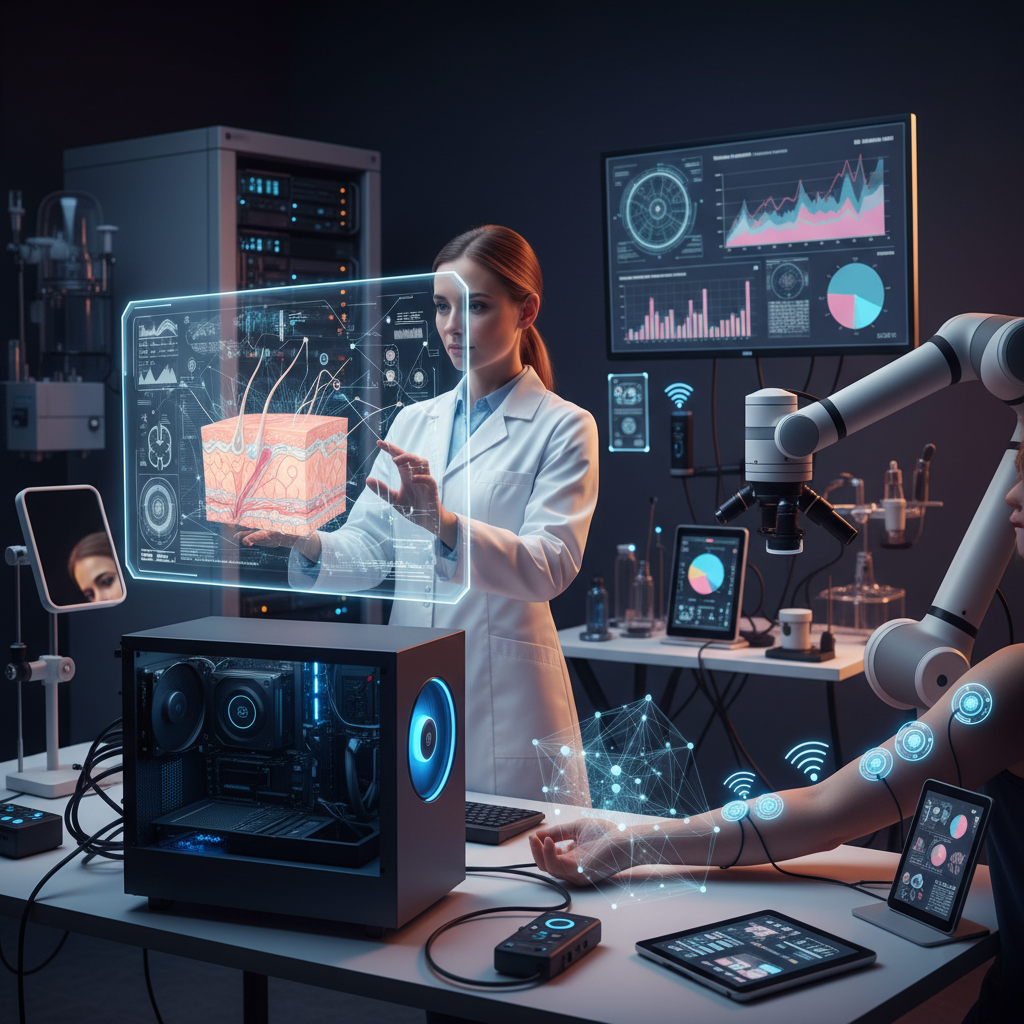
The sophistication of today’s ai dermatologist solutions is a testament to rapid advancements in several key technological domains. These technologies work in concert to process visual data, extract meaningful insights, and deliver actionable diagnostic and treatment recommendations. Understanding these foundational elements is crucial to appreciating the power and potential of AI in dermatology.
From the intricate algorithms that learn from vast image libraries to the robust frameworks that handle and secure patient data, each component plays a vital role. The synergy between these technologies allows for the creation of systems that are not only intelligent but also reliable and scalable, meeting the rigorous demands of modern healthcare.
Deep Learning and Convolutional Neural Networks (CNNs) for Image Analysis
At the heart of every advanced ai dermatologist lies deep learning, a subset of machine learning, and specifically, Convolutional Neural Networks (CNNs). CNNs are uniquely designed to process visual data, mimicking aspects of the human visual cortex. They excel at identifying patterns, features, and hierarchies within images, from basic edges and textures to complex lesion morphologies.
Trained on massive datasets containing millions of dermatological images—each meticulously labeled and validated by human experts—CNNs learn to distinguish between various skin conditions with incredible accuracy. This training process allows the AI to automatically extract salient features from an image, enabling it to classify lesions, identify subtle anomalies, and even quantify severity, forming the backbone of AI-driven diagnostics.
Cutting-Edge Computer Vision and Advanced Image Recognition
Complementing deep learning, cutting-edge computer vision techniques are essential for enhancing the capabilities of an ai dermatologist. This includes sophisticated image preprocessing algorithms that normalize lighting, scale, and angle, ensuring consistent input for the AI models. Techniques like image segmentation allow the AI to precisely delineate lesions from surrounding healthy skin, which is crucial for accurate analysis.
Advanced image recognition extends beyond simple classification to include object detection (identifying multiple lesions in a single image), tracking changes over time, and even generating 3D models of skin surfaces for more comprehensive assessment. These capabilities enable the AI to provide a richer, more detailed analysis, mirroring the thorough examination a human dermatologist would perform, but with unparalleled speed and consistency.
Leveraging Big Data Analytics and Predictive Modeling in Dermatology
The effectiveness of an ai dermatologist is significantly amplified by the power of big data analytics. AI models are continuously refined by processing vast quantities of anonymized patient data, including demographic information, medical histories, treatment outcomes, and genetic data, alongside visual inputs. This wealth of information allows for the identification of complex correlations and risk factors that might not be apparent from isolated cases.
Predictive modeling, derived from big data analysis, enables the AI to forecast disease progression, predict treatment responsiveness, and identify individuals at higher risk for certain conditions. For example, an AI could predict the likelihood of a mole becoming malignant based on its current characteristics and a patient’s historical data, providing crucial insights for proactive management. This data-driven approach moves dermatology towards a truly predictive and preventive paradigm.
Seamless Integration with Wearable Sensors and Internet of Things (IoT) Devices
The next frontier for the ai dermatologist involves seamless integration with wearable sensors and Internet of Things (IoT) devices. Imagine smart patches that monitor skin hydration, temperature, or UV exposure, or even micro-cameras embedded in everyday objects that capture high-resolution images of skin over time. These devices provide a continuous stream of real-world data, offering dynamic insights into skin health.
By integrating this real-time data, AI can provide continuous, passive monitoring for chronic conditions like eczema or psoriasis, detect early signs of irritation or infection, and even alert users to environmental risks. This convergence of AI, IoT, and wearable technology creates a proactive, always-on skin health guardian, moving beyond episodic clinic visits to persistent, personalized care. For more on the broader impact of IoT in healthcare, you can explore resources like Wikipedia’s article on the Internet of Medical Things.
Benefits and Advantages of Consulting an AI Dermatologist
The advent of the ai dermatologist brings forth a multitude of benefits, fundamentally reshaping the patient experience and improving healthcare delivery. These advantages extend from enhanced diagnostic capabilities to greater accessibility and cost-effectiveness, making advanced skin care available to a broader population. Embracing these tools means stepping into a more efficient and patient-centric healthcare future.
The shift towards AI-powered dermatology is not just about technological advancement; it’s about addressing long-standing challenges in the medical field. It offers practical solutions to issues like specialist shortages and geographical barriers, ensuring that high-quality dermatological care is no longer a luxury but an accessible right for many.
Enhanced Accuracy and Speed of Skin Condition Diagnosis
One of the most compelling advantages of an ai dermatologist is its ability to deliver enhanced diagnostic accuracy and speed. AI algorithms can process vast amounts of visual data in seconds, identifying subtle patterns and anomalies that might take a human expert much longer to discern. This rapid analysis is critical for conditions where early diagnosis is key, such as melanoma.
Studies consistently show that AI models, when properly trained and validated, can achieve diagnostic accuracy comparable to, or even exceeding, human dermatologists for specific tasks. This high level of precision, combined with instantaneous results, significantly reduces diagnostic delays and the anxiety associated with waiting for a professional opinion. It ensures that patients receive the right information quickly, enabling prompt follow-up.
Significantly Reduced Waiting Times and Improved Access to Specialist Care
Long waiting lists for dermatological appointments are a persistent problem in many healthcare systems. The ai dermatologist offers a powerful solution by triaging cases and providing preliminary assessments. Patients can submit images and receive an AI-driven report, guiding them on whether immediate specialist consultation is necessary or if their condition can be managed through primary care or self-treatment.
This intelligent triage system frees up valuable specialist time, allowing dermatologists to focus on complex cases that truly require their expertise. It effectively reduces waiting times for those who genuinely need to see a specialist, while providing peace of mind and initial guidance for others. This improved access democratizes dermatological care, ensuring more people can get timely attention.
Cost-Effectiveness for Patients and Streamlined Healthcare System Operations
The economic benefits of integrating an ai dermatologist are substantial for both patients and healthcare systems. For patients, AI-powered preliminary assessments can reduce the need for expensive in-person consultations, especially for non-urgent or easily identifiable conditions. This can significantly lower out-of-pocket expenses and reduce time off work for appointments.
For healthcare providers, AI streamlines operations by automating parts of the diagnostic process, reducing administrative burden, and optimizing resource allocation. It can help manage patient flow more efficiently, reduce unnecessary referrals, and even assist in training new healthcare professionals. This cost-effectiveness makes high-quality dermatological care more sustainable and accessible on a broader scale.
Proactive Skin Health Management and Effective Disease Prevention Strategies
The capabilities of an ai dermatologist extend far beyond mere diagnosis; they empower proactive skin health management and robust disease prevention. By enabling regular self-monitoring and providing continuous feedback, AI tools encourage individuals to take a more active role in their skin health. For example, AI can track changes in moles over time, alerting users to potential issues before they become critical.
Furthermore, AI can analyze lifestyle factors, environmental exposures (like UV radiation via smart wearables), and personal risk profiles to offer personalized preventive advice. This shift from reactive treatment to proactive prevention is a cornerstone of modern healthcare, and AI is a key enabler. It allows for interventions at the earliest possible stage, often preventing diseases from developing or progressing.
The Critical Role of the AI Dermatologist in Early Detection
The ability of the ai dermatologist to facilitate early detection of serious skin conditions, particularly skin cancers, cannot be overstated. By providing a readily available and highly accurate screening tool, AI significantly increases the chances of identifying malignant lesions at their most treatable stages. This is a game-changer for public health, as early detection is the single most important factor in improving prognosis for diseases like melanoma.
For instance, an individual who might delay a visit to a specialist due to cost or inconvenience can use an AI tool to get an immediate, informed opinion on a suspicious lesion. This immediate feedback often prompts quicker action, leading to earlier clinical evaluation and potentially life-saving treatment. The ai dermatologist truly serves as a vigilant guardian, constantly scanning for early warning signs.
Addressing Concerns: Accuracy, Ethics, and Data Privacy with AI Dermatologists
While the benefits of the ai dermatologist are profound, it is crucial to address the legitimate concerns surrounding its implementation. The widespread adoption of AI in healthcare necessitates rigorous standards for accuracy, thoughtful consideration of ethical implications, and unwavering commitment to data privacy. These challenges are actively being tackled by researchers, regulators, and developers in 2026.
Ensuring trust and responsible deployment is paramount for the long-term success of AI in dermatology. Without robust frameworks to govern these areas, the potential for harm, though unintended, could undermine the transformative power of these technologies. Transparency, accountability, and continuous improvement are key principles guiding this evolution.
Validation and Clinical Trials: Ensuring Reliability and Efficacy
The accuracy and reliability of any ai dermatologist solution must be rigorously validated through extensive clinical trials. Before widespread deployment, AI models undergo multi-phase testing, comparing their diagnostic performance against human experts and histopathological gold standards. These trials are essential to demonstrate efficacy across diverse patient populations, skin types, and lesion presentations.
Regulatory bodies, such as the FDA in the United States and the CE Mark in Europe, have established stringent guidelines for the approval of medical AI devices. These require not only high accuracy metrics but also evidence of generalizability and robustness in real-world clinical settings. Continuous post-market surveillance and iterative model improvements based on new data are also crucial to maintaining high standards of reliability.
Ethical Considerations in AI Diagnosis, Treatment Planning, and Patient Communication
The deployment of an ai dermatologist raises several critical ethical considerations. One concern is the potential for algorithmic bias, where AI models might perform less accurately on certain skin tones or demographic groups if not trained on sufficiently diverse datasets. Developers are actively working to mitigate these biases through inclusive data collection and fairness-aware AI design.
Another ethical challenge involves the role of AI in treatment planning and patient communication. While AI can provide recommendations, the ultimate responsibility for treatment decisions must remain with a human clinician. Clear communication with patients about the AI’s role, its limitations, and the importance of human oversight is vital to build trust and ensure informed consent. The “black box” nature of some AI models also necessitates efforts towards explainable AI, allowing clinicians to understand the reasoning behind an AI’s diagnosis.
Safeguarding Patient Data: Robust Cybersecurity Measures and Regulatory Compliance
The collection and processing of sensitive patient data by an ai dermatologist platform demand the highest standards of cybersecurity and regulatory compliance. Protecting patient privacy is non-negotiable. This involves implementing advanced encryption, secure data storage protocols, and stringent access controls to prevent unauthorized data breaches.
Compliance with global data protection regulations such as GDPR, HIPAA, and emerging regional frameworks is mandatory. Platforms must ensure data anonymization and de-identification where appropriate, and patients must have clear rights regarding their data. Regular security audits and vulnerability assessments are critical to maintaining a robust defense against evolving cyber threats, ensuring patient trust in these digital health solutions. For insights into cybersecurity best practices, one might refer to expert resources like Forbes’ articles on healthcare cybersecurity.
The Indispensable Role of Human Oversight in AI-Powered Dermatology
Despite the advanced capabilities of an ai dermatologist, human oversight remains absolutely indispensable. AI systems are powerful tools designed to augment, not replace, the expertise of human dermatologists. Clinicians provide the critical context, empathy, and nuanced judgment that AI currently lacks.
A human expert is essential for interpreting AI outputs, considering the full clinical picture (including factors beyond image analysis), communicating diagnoses to patients, and making final treatment decisions. They are also vital for handling rare or atypical cases that may fall outside the AI’s training data. The most effective model is a collaborative one, where AI empowers dermatologists to deliver even better care, rather than acting as a standalone decision-maker. This collaborative approach ensures patient safety and optimal outcomes.
The Future of Dermatology: Collaboration Between Human Experts and AI Dermatologist Systems
The trajectory of dermatology in 2026 is clearly moving towards a collaborative paradigm where human expertise and AI capabilities are intertwined. This synergy promises to elevate the standard of care, making dermatological services more precise, efficient, and accessible than ever before. The future is not about AI replacing dermatologists, but about AI empowering them to achieve more.
This collaborative model will unlock new possibilities in research, education, and clinical practice, pushing the boundaries of what’s achievable in skin health. It represents a dynamic evolution, driven by continuous innovation and a commitment to patient-centered care. The ai dermatologist is a partner in progress, not a competitor.
Augmenting, Not Replacing: The Synergy Model in Clinical Practice
The prevailing and most effective model for the future of dermatology is one of augmentation, not replacement. An ai dermatologist serves as a powerful assistant, enhancing the capabilities of human clinicians. For example, AI can rapidly pre-screen dermoscopic images, flagging suspicious lesions for a dermatologist’s closer inspection, thereby increasing efficiency and reducing the chances of missing critical findings.
Dermatologists can leverage AI for second opinions, to confirm challenging diagnoses, or to monitor patient progress over extended periods. This synergistic approach allows human experts to focus their valuable time and cognitive resources on complex cases, patient communication, and nuanced treatment planning, while AI handles the high-volume, repetitive, and data-intensive tasks. This optimizes clinical workflows and elevates diagnostic confidence.
Training and Education for Dermatologists in an AI-Driven Era
As the ai dermatologist becomes more prevalent, the training and education of future and current dermatologists must adapt. Medical curricula are evolving to include comprehensive modules on AI principles, how to effectively integrate AI tools into practice, and how to critically evaluate AI-generated insights. Understanding the strengths and limitations of AI is paramount for responsible and effective use.
Dermatologists will need to become proficient in interpreting AI outputs, understanding algorithmic biases, and explaining AI-assisted diagnoses to patients. Continuous professional development programs will focus on keeping clinicians abreast of the latest AI advancements and best practices. This ensures that dermatologists remain at the forefront of their field, equipped with the skills to leverage AI for optimal patient outcomes.
AI-Assisted Surgical Planning and Minimally Invasive Procedures
Beyond diagnostics, the ai dermatologist is also making inroads into surgical planning and minimally invasive procedures. AI algorithms can analyze high-resolution imaging data to precisely map the extent of skin lesions, such as skin cancers, providing surgeons with invaluable pre-operative guidance. This helps in determining optimal excision margins, minimizing tissue removal while ensuring complete tumor eradication.
In minimally invasive procedures, AI can assist in guiding instruments, identifying critical anatomical structures, and even predicting potential complications based on pre-operative scans. This precision enhances surgical safety, improves cosmetic outcomes, and reduces recovery times for patients. The integration of AI into the surgical suite represents a significant leap forward in procedural dermatology, offering unprecedented levels of accuracy.
Global Health Initiatives Leveraging AI Dermatologist Capabilities for Widespread Impact
The potential of the ai dermatologist to drive global health initiatives is immense, particularly in addressing disparities in dermatological care worldwide. Organizations and governments are exploring how AI-powered platforms can be deployed in low-resource settings to provide basic skin health screening and diagnostic support. This can significantly impact public health in regions with limited medical infrastructure.
By making expert-level diagnostic capabilities accessible via a smartphone or basic digital camera, AI can empower community health workers and primary care physicians in remote areas. This facilitates early detection of infectious skin diseases, chronic conditions, and skin cancers on a massive scale, leading to improved health outcomes globally. The ai dermatologist is a powerful tool for achieving health equity and extending the reach of quality care to every corner of the world.
Choosing the Right AI Dermatologist Platform: What to Look For
As the market for AI in dermatology expands in 2026, selecting the right ai dermatologist platform becomes a crucial decision for both healthcare providers and individual users. Not all solutions are created equal, and discerning the best fit requires careful consideration of several key factors. Prioritizing safety, efficacy, and user experience is paramount to harnessing the full potential of these advanced tools.
A well-chosen platform can seamlessly integrate into existing workflows, enhance diagnostic capabilities, and ultimately improve patient care. Conversely, a poorly selected solution could lead to inaccuracies, operational inefficiencies, and even compromise patient data. Therefore, an informed approach to selection is essential.
Accreditation and Regulatory Compliance (e.g., FDA, CE Mark) Standards
The most critical factor when choosing an ai dermatologist platform is its accreditation and adherence to regulatory compliance standards. Ensure that the platform has received necessary approvals from authoritative bodies such as the U.S. Food and Drug Administration (FDA) for medical devices, or the CE Mark in the European Economic Area. These certifications indicate that the AI solution has undergone rigorous testing and meets established safety and efficacy benchmarks.
Regulatory approval signifies that the AI’s diagnostic claims have been clinically validated, and that the product adheres to strict quality management systems. Avoid platforms without such accreditation, as their reliability and safety cannot be guaranteed. Always verify the specific classification of the AI device, as regulatory requirements vary based on risk level.
User Interface and Overall Ease of Use for Patients and Practitioners
A sophisticated ai dermatologist is only effective if it is user-friendly. The platform’s interface should be intuitive and easy to navigate for both patients submitting images and practitioners reviewing AI analyses. For patients, this means a straightforward process for capturing and uploading high-quality images, with clear instructions and guidance.
For clinicians, the interface should seamlessly integrate AI insights into their workflow, presenting information clearly and concisely. Features like easy access to patient history, comparison tools for tracking lesion changes, and customizable reporting options enhance usability. A well-designed UI reduces training time, minimizes errors, and encourages consistent adoption of the technology.
Seamless Integration with Existing Electronic Health Record (EHR) Systems
For healthcare providers, the ability of an ai dermatologist platform to seamlessly integrate with existing Electronic Health Record (EHR) systems is a significant advantage. This interoperability ensures that AI-generated reports, diagnostic findings, and patient data can be automatically logged into a patient’s comprehensive medical record, eliminating manual data entry and reducing the risk of errors.
Integration streamlines workflows, ensures data consistency across different systems, and provides a holistic view of patient health. It also facilitates data sharing between different departments and healthcare providers, fostering a more coordinated and efficient care environment. Prioritize platforms that offer robust APIs and proven integration capabilities with common EHR systems.
Reliable Customer Support and Commitment to Continuous Software Updates
As with any advanced technology, reliable customer support is crucial for an ai dermatologist platform. Users should have access to prompt and knowledgeable assistance for any technical issues, questions about AI interpretations, or integration challenges. Look for providers that offer comprehensive support channels, including dedicated help desks, online resources, and training materials.
Furthermore, the field of AI is constantly evolving, so a commitment to continuous software updates and model improvements is essential. A reputable vendor will regularly release updates that incorporate the latest research, improve diagnostic accuracy, address potential biases, and enhance security features. This ensures that the platform remains cutting-edge and continues to deliver optimal performance over time. You can find more information on evaluating software updates and support on resources like HubSpot’s customer service best practices.
Evaluating Real-World Performance Through Reviews and Testimonials
While regulatory approvals and technical specifications are important, real-world performance is equally indicative of a platform’s effectiveness. Before committing to an ai dermatologist solution, research independent reviews, case studies, and testimonials from other healthcare providers or patients who have used the system. Look for evidence of consistent accuracy, user satisfaction, and positive impact on clinical outcomes.
Engage with professional communities and forums to gather insights and perspectives from peers. Pilot programs or trials within your own practice can also provide invaluable first-hand experience, allowing you to assess the platform’s suitability for your specific needs and patient population. This holistic evaluation, combining official validation with practical experience, ensures a well-informed decision.
Conclusion: Embracing the Era of the AI Dermatologist
Recap of Key Benefits, Advancements, and Future Potential
The journey through the capabilities and implications of the ai dermatologist in 2026 reveals a landscape transformed by innovation. We’ve seen how AI is not just enhancing but revolutionizing skin health diagnostics, offering unparalleled accuracy and speed in detecting conditions from melanoma to common dermatoses. Its ability to provide personalized treatment recommendations and extend services to underserved populations marks a significant leap towards equitable and efficient healthcare.
Key technological advancements, including deep learning, computer vision, big data analytics, and seamless integration with IoT, are the pillars supporting these sophisticated solutions. The benefits are clear: reduced waiting times, cost-effectiveness, and a proactive approach to skin health management. While concerns around accuracy, ethics, and data privacy are valid and actively addressed through rigorous validation and human oversight, the collaborative future between AI and human experts promises a superior standard of care.
The Ongoing Evolution and Innovation of AI in Healthcare
The current state of the ai dermatologist is merely a glimpse into its vast potential. The field of AI in healthcare is in a constant state of evolution, driven by relentless research and development. We can anticipate even more sophisticated algorithms, greater integration with multi-modal data (e.g., genetic, lifestyle, environmental), and further advancements in personalized predictive analytics. The focus will continue to be on creating more explainable, fair, and robust AI systems that seamlessly blend into clinical workflows.
As regulatory frameworks mature and public acceptance grows, AI will increasingly become an embedded component of routine medical practice, not just in dermatology but across all specialties. The innovation cycle will accelerate, bringing forth new tools that enhance diagnostics, improve treatment efficacy, and ultimately, elevate patient outcomes to unprecedented levels. The continuous refinement of these technologies will define the next decade of digital health.
A Call to Action for Proactive Skin Health Management in 2026 and Beyond
In 2026, with the powerful tools of the ai dermatologist at our disposal, there is a clear call to action for proactive skin health management. Individuals are now empowered with accessible, intelligent resources to monitor their skin, identify potential concerns early, and seek timely professional advice. It is no longer acceptable to delay skin checks or ignore suspicious lesions when advanced AI solutions are readily available to provide initial insights.
Embrace these technologies, educate yourself on their responsible use, and integrate them into your personal health routine. For healthcare providers, the imperative is to adopt and adapt, integrating AI into practice to augment expertise and optimize patient care. By collaboratively leveraging the power of the ai dermatologist, we can collectively usher in an era of healthier skin and improved well-being for all, setting a new standard for preventative and responsive medical care.