Introduction: Navigating Your Cycle with the Best Period Trcker App in 2026

In 2026, understanding and managing one’s reproductive health has been revolutionized by technology. Gone are the days of manual charting and guesswork; today, a sophisticated period trcker app offers unparalleled insights into menstrual cycles, fertility windows, and overall well-being. This digital companion has become an indispensable tool for millions, empowering individuals to take proactive control of their health journeys.
The Shifting Landscape of Reproductive Health Technology
The past few years have witnessed an exponential leap in reproductive health technology. What began as simple calendar-based tracking has evolved into complex AI-driven platforms, capable of predicting cycles with remarkable accuracy, identifying patterns in symptoms, and even integrating with wearable devices. This shift reflects a growing demand for personalized, accessible, and data-backed health solutions.
Innovation isn’t just about prediction; it’s about holistic health. Modern apps now offer comprehensive features ranging from mood tracking to nutritional advice, all tailored to the user’s unique cycle phase. The ethical considerations around data privacy have also matured, with leading apps implementing robust security measures to protect sensitive personal information, a critical aspect of any Period Tracker Mobile App in 2026.
Why Accurate Cycle Tracking Matters More Than Ever
Accurate cycle tracking provides a wealth of benefits that extend far beyond simply knowing when your next period will arrive. For those trying to conceive, pinpointing the fertile window is crucial. Conversely, for individuals seeking to avoid pregnancy, understanding ovulation can inform family planning decisions. Beyond fertility, cycle tracking can reveal important health indicators, signaling potential hormonal imbalances, stress impacts, or underlying medical conditions.
In 2026, healthcare providers increasingly encourage patients to track their cycles, recognizing the invaluable data it provides for diagnostics and personalized treatment plans. The ability to present detailed, consistent cycle data to a doctor can significantly streamline consultations and lead to more effective health management. This makes the utility of a period trcker app more vital than ever for proactive health management.
What This Guide Will Cover
This comprehensive guide will delve into everything you need to know about choosing and utilizing the best period trcker app in 2026. We’ll explore the technological evolution of these tools, highlight essential features to look for, and examine how advanced insights can transform your health understanding. We’ll also compare leading apps, discuss critical data privacy concerns, and show you how to integrate your app with wearables for a truly holistic view of your well-being. Our aim is to empower you with the knowledge to make an informed decision and maximize the benefits of digital cycle tracking.
The Evolution of Cycle Tracking: Why a Period Trcker App is Essential in 2026
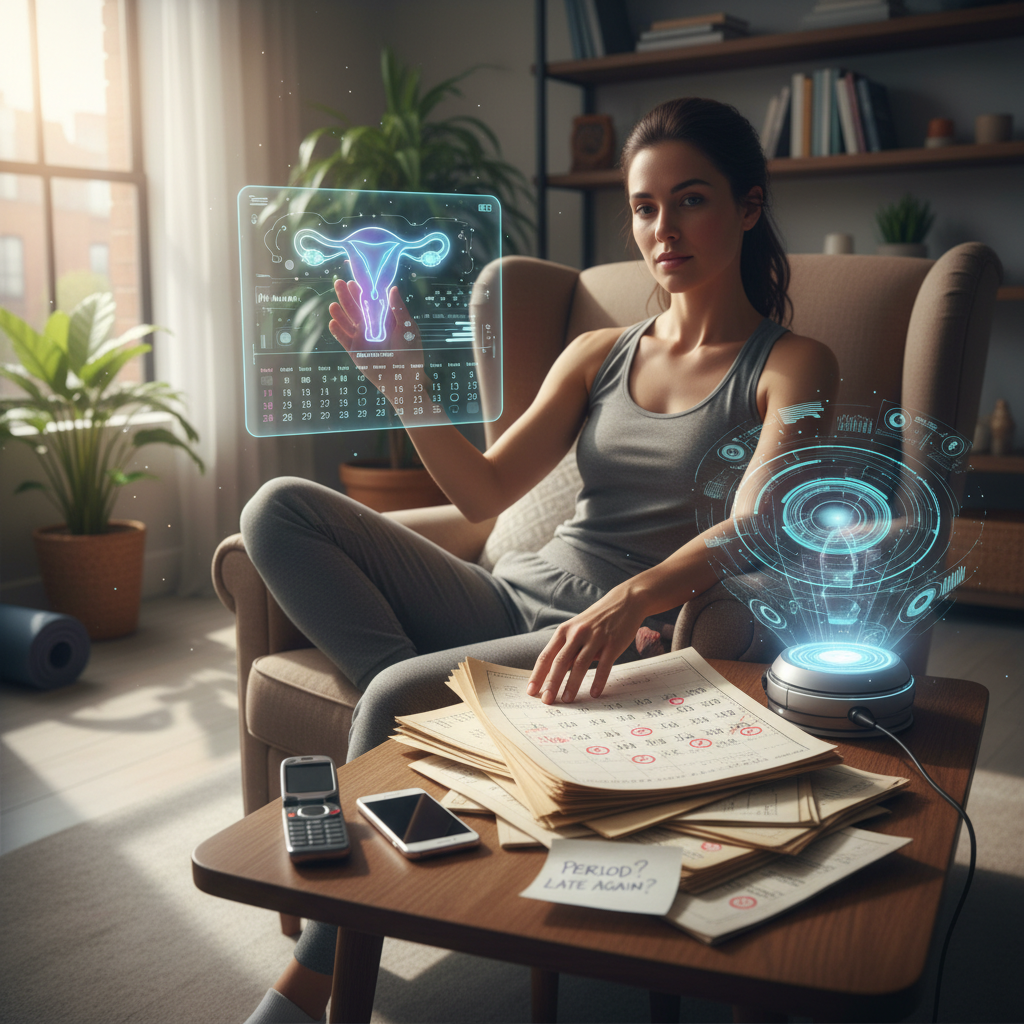
The journey from rudimentary cycle tracking to the sophisticated digital tools available today is a testament to technological advancement and a growing understanding of women’s health. What was once a niche concern has transformed into a mainstream health practice, largely driven by the accessibility and power of the modern period trcker app.
From Paper Calendars to Predictive AI
For centuries, women relied on paper calendars, memory, and often, folklore, to anticipate their menstrual cycles. This method, while functional, lacked precision and the ability to detect subtle patterns or anomalies. The advent of basic digital trackers in the early 2010s offered a slight improvement, digitizing the calendar but still relying heavily on manual input and simple averages for predictions.
Fast forward to 2026, and the landscape is entirely different. Today’s leading period tracker apps leverage advanced artificial intelligence (AI) and machine learning (ML) algorithms. These intelligent systems analyze vast amounts of user-inputted data – not just period dates, but symptoms, mood, sleep, and even biometric data from wearables – to generate highly personalized and accurate predictions. This predictive power allows users to anticipate their cycles with unprecedented confidence.
The Rise of Personalized Health Data
The true power of a period trcker app in 2026 lies in its ability to generate personalized health data. Unlike generic health advice, these apps learn from your unique physiological responses, adapting their insights and predictions over time. This personalized approach is crucial because every body is different, and what’s “normal” for one person may not be for another.
This personalization extends to identifying individual symptom patterns, understanding how lifestyle factors impact cycle regularity, and even suggesting tailored wellness strategies. The era of one-size-fits-all health is over, replaced by data-driven insights that cater specifically to you. This shift empowers individuals to become active participants in their own health management, fostering a deeper connection with their bodies.
Understanding Your Body’s Unique Rhythms
One of the most profound benefits of choosing a period trcker app is the enhanced understanding it provides of your body’s unique rhythms. Your menstrual cycle is a vital sign, reflecting your overall health, stress levels, nutrition, and even sleep quality. By consistently tracking, you begin to observe how different phases of your cycle influence your energy, mood, skin, and physical sensations.
This deeper awareness can lead to better self-care decisions, such as scheduling demanding tasks during high-energy phases or prioritizing rest during pre-menstrual times. It also helps in recognizing deviations from your personal norm, prompting timely consultations with healthcare professionals if necessary. The data collected over months provides a comprehensive narrative of your health journey, invaluable for both personal insight and medical discussions.
Key Features to Demand from a Modern Period Trcker App

In 2026, the expectations for a period tracker app have grown significantly. Users now demand more than just basic cycle predictions; they seek a comprehensive health companion. When evaluating options, look for apps that offer a robust suite of features designed to provide deep insights and support proactive health management. Every modern period trcker app should meet high standards.
Accurate Prediction Algorithms (AI-driven)
At the core of any effective period tracker is its ability to predict future cycles with high accuracy. In 2026, this means leveraging advanced AI and machine learning algorithms, not just simple averages. These algorithms should learn from your historical data, identify subtle patterns, and adapt to irregularities, providing predictions for your period start date, duration, and fertile window that improve over time. Look for apps that boast a high accuracy rate, often validated by user reviews and, in some cases, clinical studies.
Comprehensive Symptom Logging and Analysis
A truly useful period tracker goes beyond dates by allowing detailed symptom logging. This includes physical symptoms like cramps, headaches, breast tenderness, and skin changes, as well as emotional symptoms such as mood swings, anxiety, and irritability. The best apps will not only let you log these but will also analyze them, identifying patterns and correlations with different cycle phases. This can help you understand your body’s responses and even pinpoint potential triggers for certain symptoms.
Fertility Window Calculation (for conception or avoidance)
For many, tracking the fertile window is a primary reason for using a period trcker app. Whether you’re trying to conceive or actively avoiding pregnancy, precise identification of ovulation and the surrounding fertile days is critical. Leading apps use a combination of period data, basal body temperature (BBT), cervical mucus observations, and sometimes ovulation predictor kit (OPK) results to calculate this window with high accuracy. Some apps, like Natural Cycles, are even FDA-cleared as a contraceptive method, demonstrating the reliability of their algorithms.
Mood and Energy Tracking Capabilities
The menstrual cycle profoundly impacts mood and energy levels. A top-tier period tracker app should offer dedicated features for logging emotional states and perceived energy levels. Beyond simple logging, the app should provide visualizations or analyses that show how your mood and energy fluctuate throughout your cycle. This insight can be incredibly empowering, helping you to anticipate changes and plan your activities accordingly, fostering better mental and emotional well-being.
Medication and Contraception Reminders
Consistency is key for many medications and especially for hormonal contraception. A valuable feature to look for is the ability to set custom reminders for pills, patches, rings, or other forms of contraception. Some apps also allow you to log when you’ve taken medication, helping you keep a comprehensive record of your health management. This ensures adherence and reduces the risk of missed doses, contributing to effective family planning and health maintenance.
Intuitive Cycle History Visualization
Understanding your cycle patterns often requires looking at data over time. An excellent period tracker app will offer clear, intuitive visualizations of your cycle history. This might include calendar views, charts showing symptom trends, or graphs illustrating cycle length variations. The ability to easily review past cycles helps in identifying long-term patterns, understanding irregularities, and providing concrete data to healthcare providers during appointments. A well-designed interface makes this data accessible and actionable.
Beyond Basic Predictions: Advanced Health Insights from Your Period Trcker App
In 2026, the best apps transcend simple date predictions, evolving into sophisticated health platforms. Your chosen period trcker app should offer advanced features that provide deeper insights into your hormonal health, potential irregularities, and overall well-being. These capabilities transform the app from a mere calendar into a powerful diagnostic and wellness tool.
Hormonal Health Monitoring via Your Period Trcker App
Modern period tracker apps are increasingly incorporating features that help users monitor their hormonal health indirectly. While they don’t directly measure hormone levels (yet, for most consumer apps), they analyze patterns in symptoms, cycle length, and body temperature fluctuations that can indicate hormonal shifts. For example, consistent short luteal phases or unusual spotting might signal progesterone imbalances, prompting users to consult a doctor. Some advanced apps even offer educational content explaining common hormonal conditions and their symptoms, empowering users with knowledge.
Early Detection of Irregularities and Potential Conditions
One of the most significant benefits of consistent tracking with a reliable period trcker app is the early detection of irregularities. Persistent short or long cycles, unusually heavy or light bleeding, severe pain, or unexplained mid-cycle spotting can all be indicators of underlying conditions such as PCOS, endometriosis, fibroids, or thyroid dysfunction. The app’s algorithms can flag these deviations from your personal norm, prompting you to seek medical advice sooner. This proactive approach can lead to earlier diagnosis and more effective treatment, improving long-term health outcomes.
Seamless Integration with Telehealth Services
The rise of telehealth has made healthcare more accessible, and period tracker apps are at the forefront of this integration in 2026. Many leading apps now offer direct or indirect links to telehealth services, allowing users to share their comprehensive cycle data securely with healthcare providers during virtual consultations. This eliminates the need for manual recounting and provides doctors with a rich, objective dataset, leading to more accurate diagnoses and personalized care plans. Some apps even facilitate booking appointments or connecting with specialists directly through their platform.
Personalized Nutritional and Fitness Recommendations Based on Cycle Phase
Understanding how your cycle impacts your energy and metabolism allows for optimized nutrition and fitness strategies. Advanced period tracker apps in 2026 leverage your cycle data to provide personalized recommendations. During the follicular phase, when energy levels might be higher, the app might suggest more intense workouts. In the luteal phase, when inflammation and fatigue can increase, it might recommend gentler exercises and foods rich in magnesium or iron. This tailored guidance helps users align their lifestyle choices with their body’s natural rhythms, maximizing well-being and performance.
Stress and Sleep Impact Analysis on Your Cycle
Stress and sleep are powerful determinants of menstrual health. A sophisticated period tracker app will allow you to log stress levels and sleep patterns (often integrating with sleep trackers) and then analyze their correlation with your cycle regularity and symptom severity. For instance, you might observe that periods of high stress lead to delayed ovulation or increased premenstrual symptoms. By highlighting these connections, the app empowers you to identify lifestyle factors that negatively impact your cycle, encouraging healthier habits and better stress management techniques. This holistic view is crucial for overall health.
Top Period Trcker Apps of 2026: A Detailed Comparison
The market for period tracker apps in 2026 is vibrant and competitive, offering a diverse range of options tailored to different needs. Choosing the leading period trcker app requires careful consideration of features, accuracy, and, crucially, data privacy. Here’s a detailed look at some of the top contenders.
Flo: AI-Powered Insights and Robust Community Features
Flo remains one of the most popular and comprehensive period tracker apps globally in 2026. It excels with its highly accurate AI-powered prediction algorithms for periods, ovulation, and fertile windows, which continuously learn from user data. Beyond tracking, Flo offers extensive symptom logging, personalized health insights, and daily health articles tailored to your cycle phase. A significant draw is its large, active, and moderated community forum, providing a supportive space for users to share experiences and advice. Flo has also invested heavily in data security and privacy measures, offering enhanced control over user data.
Clue: Data-Driven Tracking and Strong Scientific Backing
Clue is celebrated for its clean, intuitive interface and its strong emphasis on scientific accuracy and data-driven insights. It provides precise predictions for periods, PMS, and fertility, and allows for logging a wide array of symptoms, moods, and activities. Clue partners with researchers and medical institutions, ensuring its algorithms and health information are backed by science. It’s particularly favored by users who appreciate a no-frills, data-focused approach without the overwhelming amount of community features found in some other apps. For more detailed insights, you might want to check out Clue App Period Tracker 2026.
Natural Cycles: The FDA-Cleared Contraception App
Natural Cycles stands out as the world’s first and only FDA-cleared birth control app. Its unique selling proposition is its ability to be used as a non-hormonal method of contraception, based on daily basal body temperature (BBT) readings and advanced algorithms to identify fertile and non-fertile days. Users typically measure their BBT first thing in the morning and input it into the app, which then provides a “red” (use protection) or “green” (not fertile) day. While highly effective when used correctly, it requires diligent daily temperature logging. It’s a powerful tool for those seeking a precise, hormone-free family planning option.
Ovia Fertility/Pregnancy: Comprehensive Family Planning Tools
Ovia offers a suite of apps (Fertility, Pregnancy, and Parenting) that cater to different stages of family planning. Ovia Fertility is a robust period and ovulation tracker designed specifically for those trying to conceive. It allows extensive logging of cervical mucus, BBT, OPK results, and intercourse, providing detailed insights into fertility windows. Its strength lies in its comprehensive data analysis and personalized predictions, along with educational content and support for tracking pregnancy symptoms if conception occurs. The seamless transition to Ovia Pregnancy makes it a popular choice for long-term family planning.
Emerging Niche Apps (e.g., specialized for PCOS, endometriosis)
Beyond the major players, 2026 has seen the rise of niche period tracker apps catering to specific health conditions. Apps like "PCOS Tracker" or "EndoBuddy" are designed with specialized symptom logging, educational resources, and community support tailored for individuals managing conditions like Polycystic Ovary Syndrome or endometriosis. These apps often integrate with healthcare providers specializing in these areas and offer features like medication tracking for specific treatments. They provide a more focused and supportive experience for users with complex reproductive health needs.
Comparison Table: Features, Pricing Models, and Data Privacy Scores
When selecting your ideal period trcker app, a comparative overview is invaluable. Below is a conceptual comparison reflecting 2026 market trends, focusing on key differentiators. Pricing models typically range from freemium (basic features free, advanced paid) to subscription-based for full access. Data privacy scores are increasingly important, often rated by independent organizations based on data collection, usage, and sharing policies.
Flo: AI-powered predictions, extensive symptom logging, large community, personalized health insights. Freemium with premium subscription (approx. $10/month or $60/year). High data privacy score with transparent policies.
Clue: Data-driven, scientifically backed, minimalist design, strong focus on cycle patterns. Freemium with premium subscription (approx. $8/month or $50/year). Very high data privacy score, often cited for ethical data practices.
Natural Cycles: FDA-cleared contraception, BBT-based, highly accurate fertility window. Subscription-only (approx. $15/month or $100/year, often includes thermometer). High data privacy, strict adherence to medical device regulations.
Ovia Fertility: Comprehensive fertility tracking, tailored for TTC (Trying to Conceive), detailed symptom logging, educational content. Free with some premium features. Good data privacy, though broader data sharing for research is optional.
Niche Apps (e.g., PCOS Tracker): Specialized symptom tracking, condition-specific education, targeted community support. Often freemium or low-cost subscription (approx. $5/month). Data privacy varies by app, requires careful review.
This overview highlights that each period trcker app serves a slightly different user base, with varying strengths in features, pricing, and commitment to data protection. Users are encouraged to try free versions or trials to find the best fit for their personal needs and comfort level with data handling.
Data Privacy and Security: What to Know Before Choosing a Period Trcker App
In 2026, data privacy and security are paramount concerns, especially when dealing with sensitive health information collected by a period trcker app. The digital landscape has evolved, bringing stricter regulations and greater awareness, making it crucial for users to understand how their data is handled. This section will guide you through the essential considerations to ensure your sensitive health data remains protected.
Understanding Data Collection and Usage Policies
Before downloading any period tracker app, it is absolutely essential to read and understand its data collection and usage policies. These documents, often found in the app’s settings or on its website, detail what information the app collects (e.g., period dates, symptoms, mood, location, device ID) and how it intends to use that data. Look for clear language regarding whether data is used solely for improving app functionality and personalized insights, or if it might be aggregated for research or, more controversiously, for marketing purposes.
In 2026, reputable apps are transparent about these practices. Be wary of apps with vague or overly broad clauses that grant them extensive rights to your data. Your health information is private, and you should have a clear understanding of its journey once it leaves your device.
Anonymization and Encryption Standards in 2026
Leading period tracker apps employ advanced anonymization and encryption standards to protect user data. Anonymization means that data is stripped of personally identifiable information (PII) so it cannot be traced back to an individual. Encryption ensures that data is scrambled and unreadable to unauthorized parties, both in transit (when it’s sent from your device to the app’s servers) and at rest (when it’s stored on their servers). Look for apps that explicitly state they use industry-standard encryption protocols (e.g., AES-256) and have robust data anonymization processes. This is a non-negotiable aspect of a secure period trcker app.
Third-Party Sharing Concerns and Regulations
A critical area of concern is whether your health data is shared with third parties. This could include advertisers, data brokers, or research institutions. While sharing with research partners for public health advancements can be beneficial, it should always be opt-in and clearly explained. Sharing with advertisers or for targeted marketing is generally a red flag for sensitive health data. In 2026, regulations have tightened, but some apps may still operate under less stringent conditions. Always check if the app explicitly states it does NOT sell or share your personal health data with third parties for commercial purposes without your explicit consent.
Regional Data Protection Laws (e.g., GDPR 2.0, evolving US State Laws)
The global regulatory landscape for data privacy has matured significantly. GDPR 2.0 (an evolution of the original General Data Protection Regulation) in the EU and UK sets a high bar for data protection, requiring explicit consent for data processing, the right to access and erase data, and strict rules on cross-border data transfers. In the US, while there isn’t a single federal law comparable to GDPR, various state laws (like California’s CCPA/CPRA, Virginia’s VCDPA, etc.) provide robust consumer privacy rights. Your chosen period trcker app should clearly state its compliance with these relevant regional laws, particularly if you reside in areas with strong data protection. You can learn more about general data privacy regulations on sources like Wikipedia’s page on Data privacy laws.
Practical Tips for Protecting Your Sensitive Health Data
Beyond choosing a reputable app, there are steps you can take to enhance your data security:
- Read Privacy Policies: Don’t skip this step. Understand what you’re agreeing to.
- Review Permissions: Grant only necessary permissions to the app (e.g., calendar access, not necessarily location tracking if not essential).
- Use Strong Passwords/Biometrics: Secure your app with a unique, strong password or biometric authentication (fingerprint/face ID).
- Regularly Review Settings: Periodically check your app’s privacy settings to ensure they align with your preferences.
- Opt-Out of Data Sharing: If an app offers options to opt-out of data sharing for research or marketing, utilize them.
- Consider Paid Versions: Often, paid versions of apps have stronger privacy commitments as their business model isn’t reliant on selling data.
By being vigilant and informed, you can enjoy the benefits of a secure period trcker app without compromising your privacy.
Integrating Your Period Trcker App with Wearables and Smart Health
The synergy between a modern period trcker app and wearable technology is one of the most exciting advancements in personalized health monitoring in 2026. This integration moves beyond manual data entry, providing a more comprehensive, passive, and accurate understanding of your body’s subtle changes throughout your cycle. Building a holistic digital health ecosystem is now more accessible than ever.
Connecting with Smartwatches (Apple Watch, Fitbit, Garmin)
Smartwatches have become sophisticated health companions, and their integration with period tracker apps significantly enhances data collection. Devices like the Apple Watch, Fitbit, and Garmin can automatically track a wealth of biometric data relevant to your cycle, including heart rate, heart rate variability (HRV), sleep patterns, and activity levels. When connected to your period tracker, this data can provide additional layers of insight. For example, changes in resting heart rate or sleep quality can correlate with different cycle phases or even indicate early signs of ovulation.
Many leading apps offer direct integration, allowing seamless data flow and reducing the need for manual input. This hands-free data collection improves accuracy and consistency, making the tracking experience much more convenient and insightful.
Syncing with Smart Rings (Oura Ring, Ultrahuman Ring Air)
Smart rings, such as the Oura Ring and Ultrahuman Ring Air, have emerged as particularly powerful tools for cycle tracking due to their continuous and highly accurate biometric data collection, especially for basal body temperature (BBT). These rings measure skin temperature throughout the night, providing a more stable and less prone-to-error BBT reading than traditional oral thermometers. This passive BBT tracking is invaluable for precisely identifying ovulation and the fertile window.
Integrating a smart ring with your period tracker app means the app receives a stream of consistent, high-quality data, leading to more accurate predictions and deeper insights into your hormonal shifts. This represents a significant leap forward for those relying on BBT for fertility awareness or contraception, offering both convenience and enhanced reliability.
Biometric Data Integration (Basal Body Temperature, Heart Rate Variability, Sleep Patterns)
The true power of integrating wearables lies in the comprehensive biometric data they provide.
- Basal Body Temperature (BBT): As mentioned, wearables offer passive, accurate BBT tracking, crucial for confirming ovulation and understanding cycle phases.
- Heart Rate Variability (HRV): HRV can indicate stress levels and recovery. Fluctuations in HRV can correlate with different cycle phases and hormonal changes, offering insights into your body’s physiological state.
- Sleep Patterns: Sleep quality and duration can impact hormonal balance. Wearables track sleep stages, duration, and disturbances, allowing your period tracker to analyze how these factors influence your cycle regularity and symptoms.
- Activity Levels: Tracking daily steps, exercise intensity, and calorie burn can help understand how physical activity affects your menstrual health.
This rich dataset allows your period tracker app to create a far more detailed and accurate picture of your health than manual input alone could achieve.
Building a Holistic Digital Health Ecosystem
Integrating your period tracker app with wearables is a key step in building a holistic digital health ecosystem. This ecosystem connects various aspects of your health data – from activity and sleep to nutrition (if you use other apps) and menstrual cycles – into a cohesive narrative. It allows you to see the interconnectedness of different health factors and how they collectively influence your well-being. This integrated approach empowers you to make more informed lifestyle choices and provides a robust dataset for discussions with healthcare professionals.
Future Trends in Connected Health Monitoring
Looking ahead, 2026 is just the beginning. Future trends in connected health monitoring are likely to include even more sophisticated integrations. We can anticipate:
- Non-invasive Hormone Sensing: Wearables that can directly measure hormone levels (e.g., through sweat) are on the horizon.
- Predictive Health Alerts: AI-driven alerts that warn of potential health issues or irregularities based on combined biometric and cycle data.
- Augmented Reality (AR) for Health Visualization: Immersive ways to visualize your health data and cycle patterns.
- Enhanced Telemedicine Integration: Seamless, real-time data sharing with doctors for remote diagnostics and monitoring.
The continuous evolution of technology promises an even more personalized and proactive approach to reproductive health, making the utility of your period trcker app even greater.
Maximizing Benefits: Tips for Getting the Most Out of Your Period Trcker App
Simply downloading a period tracker app is the first step; unlocking its full potential requires consistent effort and smart usage. In 2026, these apps are powerful tools, but their effectiveness largely depends on how you engage with them. By following these tips, you can maximize the benefits and gain profound insights into your health.
Consistent and Accurate Data Entry is Key
The old adage “garbage in, garbage out” applies perfectly to period tracker apps. The accuracy of predictions and insights is directly proportional to the quality and consistency of the data you input. Make it a daily habit to log your period dates, symptoms, mood, and any other relevant information. Even if you don’t feel like logging every single day, aim for consistency, especially around your period and fertile window. The more data the app has, the better its AI algorithms can learn your unique patterns and provide precise predictions. This foundational step is critical for any period trcker app to perform optimally.
Personalizing App Settings to Your Unique Needs
Most modern period tracker apps offer extensive customization options. Take the time to explore these settings and tailor the app to your specific needs. This might involve:
- Adjusting notification preferences for period reminders or fertility window alerts.
- Selecting which symptoms or moods you want to track most frequently.
- Connecting to your preferred wearable devices for automatic data sync.
- Setting goals, whether it’s tracking for conception, avoiding pregnancy, or managing symptoms.
Personalization ensures the app serves your individual journey most effectively, making it a truly bespoke health companion. Remember to review these settings periodically as your needs or health goals may change.
Utilizing Educational Resources Within the App
Many top-rated period tracker apps in 2026 are not just data loggers; they are also rich sources of educational content. Look for sections within the app that offer articles, videos, or infographics on topics like hormonal health, common cycle irregularities, fertility facts, and wellness tips tailored to different cycle phases. Engaging with these resources can deepen your understanding of your body and empower you to make more informed health decisions. This knowledge can also help you interpret the data the app presents, turning raw numbers into actionable insights. For a deeper dive into current top apps, consider reading Top Rated Period Tracker App 2026.
Communicating Insights with Your Healthcare Providers
One of the most powerful ways to leverage your period tracker app is by sharing its insights with your healthcare providers. When you visit your doctor, having a detailed, consistent record of your cycles, symptoms, and any irregularities can be invaluable. Instead of relying on memory, you can present clear data that helps your doctor understand your health history, diagnose potential issues, and tailor treatment plans. Many apps offer features to generate reports or export data specifically for this purpose. This collaborative approach enhances the quality of your medical care. Healthline provides tips on how to effectively communicate cycle data with your doctor.
Engaging with In-App Communities (if applicable and secure)
Some period tracker apps, like Flo, feature vibrant in-app communities where users can connect, share experiences, and seek advice. If your chosen app offers this, and you feel comfortable with its privacy measures, engaging with these communities can be a source of support and solidarity. It can be reassuring to know that others share similar experiences and to learn from their insights. However, always exercise caution and discretion when sharing personal information in public forums, even within an app. Prioritize communities that are moderated and adhere to strict privacy guidelines to ensure a safe and supportive environment. A strong period trcker app will ensure these communities are secure.
Conclusion: Choosing the Right Period Trcker App for Your Future Well-being
In 2026, the landscape of digital health tools, particularly for reproductive well-being, is more advanced and user-friendly than ever before. Choosing the right period trcker app is a pivotal decision that can significantly empower you to understand, manage, and optimize your health. These sophisticated tools offer a window into your body’s unique rhythms, providing data-driven insights that were once unimaginable.
Recap of Key Considerations for Selection
When selecting your ideal period tracker app, remember the critical factors we’ve discussed:
- Accuracy: Prioritize apps with advanced AI-driven prediction algorithms.
- Comprehensive Features: Look for extensive symptom logging, fertility window calculation, mood tracking, and medication reminders.
- Advanced Insights: Value apps that offer hormonal health monitoring, early irregularity detection, and personalized wellness recommendations.
- Data Privacy and Security: Thoroughly review privacy policies, look for robust encryption, and ensure transparent data handling practices.
- Integration Capabilities: Consider how well the app integrates with your wearables (smartwatches, smart rings) for a holistic view.
Your choice should align with your personal health goals, whether it’s fertility awareness, contraception, symptom management, or simply a deeper understanding of your body. Always prioritize apps that demonstrate a strong commitment to user privacy, as your health data is incredibly sensitive.
The Future Landscape of Digital Cycle Tracking
The evolution of digital cycle tracking is far from over. As we move further into the decade, we can anticipate even more sophisticated AI, seamless integration with emerging biometric sensors, and potentially non-invasive hormone monitoring. Telehealth integration will become even more robust, making your period tracker app a central hub for personalized healthcare communication. The focus will continue to be on proactive, preventive health, empowering individuals with accessible, actionable insights into their reproductive and overall well-being. The future of the period trcker app promises even greater precision and personalized care.
Empowering Your Health Journey with Informed Choices
Ultimately, a period tracker app is a tool designed to empower you. By making an informed choice and consistently utilizing its features, you transform passive observation into active health management. You gain the knowledge to understand your body’s signals, anticipate changes, and communicate effectively with your healthcare providers. This proactive approach fosters a deeper connection with your health, leading to better decisions and a greater sense of control over your well-being.
In 2026, embracing the right technology means embracing a future where personal health insights are at your fingertips. Take the time to research, compare, and choose wisely, for the optimal period trcker app can be a powerful ally in your journey towards lifelong health and wellness.