Introduction to the Modern Recessed TV Box: Enhancing Your Home Entertainment in 2026
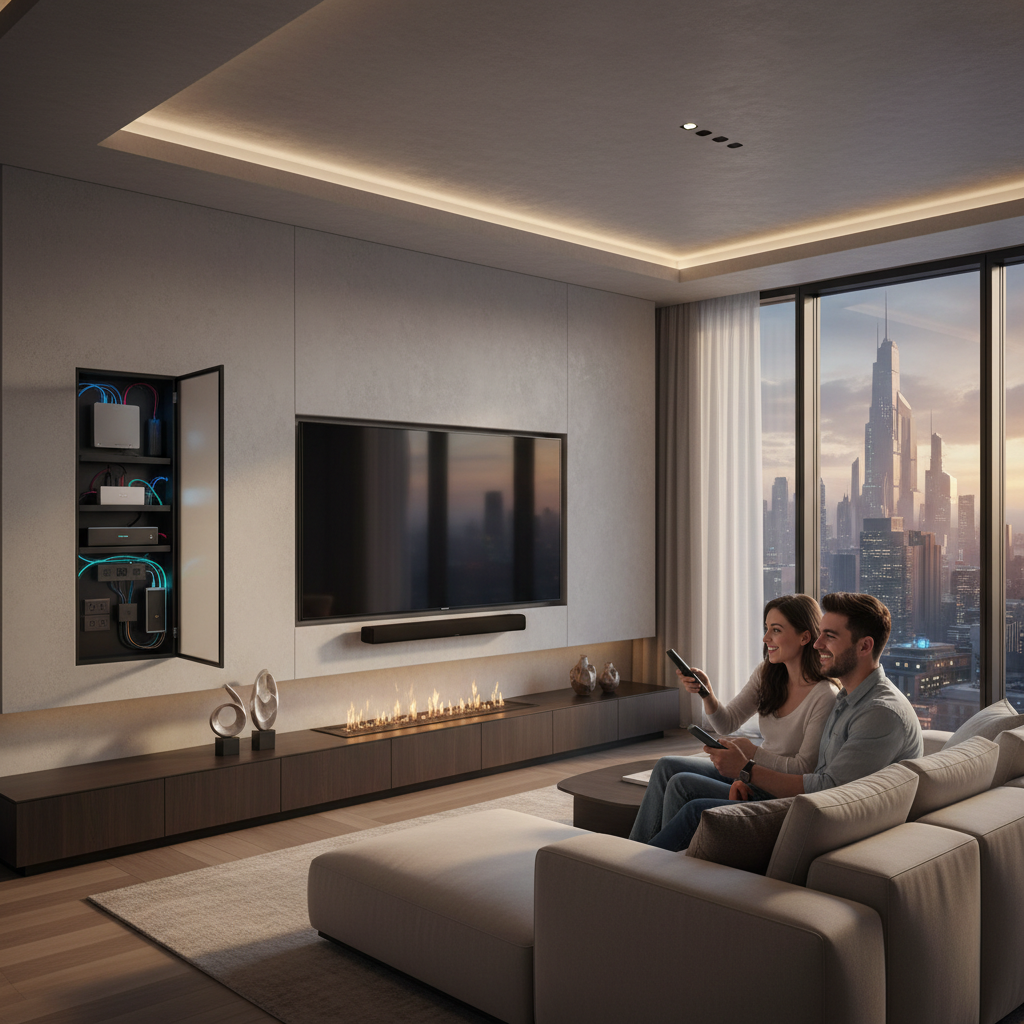
As we navigate 2026, the landscape of home entertainment continues to evolve at a breathtaking pace. Modern living demands not only cutting-edge technology but also seamless integration and sophisticated aesthetics. Gone are the days of tangled wires and bulky media consoles dominating living spaces. Today, homeowners are seeking elegant solutions that blend technology invisibly into their interior design.
This pursuit of minimalist design and maximum functionality has propelled the recessed tv box into an indispensable component for any contemporary home entertainment setup. It’s more than just an accessory; it’s a foundational element for achieving a clean, organized, and future-ready media environment. Understanding its role and benefits is crucial for anyone planning a home renovation or simply upgrading their entertainment system.
The Evolution of Home Entertainment Spaces
Over the past decade, home entertainment has transitioned from a simple television and DVD player setup to complex ecosystems involving multiple streaming devices, gaming consoles, soundbars, and smart home hubs. In 2026, the average household boasts an array of gadgets, each requiring power and connectivity. This proliferation of devices, while enhancing our viewing and gaming experiences, traditionally led to significant cable clutter and an unsightly mess behind the TV.
The aesthetic demands have also shifted dramatically. Modern interior design emphasizes clean lines, open spaces, and intentional minimalism. Visible cables and exposed power strips are no longer acceptable in a thoughtfully designed home. This cultural and technological shift has created a strong need for intelligent cable management and device concealment solutions, making the recessed tv box a popular choice.
Why a Recessed TV Box is Essential for Contemporary Living
In 2026, the recessed tv box stands as a cornerstone for anyone striving for a truly integrated smart home entertainment system. It provides a dedicated, hidden space within the wall to house all the essential components that connect to your wall-mounted television. This includes power outlets, HDMI cables, network connections, and even smaller streaming devices or media players.
Its importance extends beyond mere aesthetics; it addresses practical challenges such as device protection, enhanced safety, and simplified future upgrades. Without a dedicated recessed tv box, achieving the sleek, floating TV look that defines modern media rooms would be significantly more challenging and less secure. It’s an investment in both form and function.
Key Benefits of Integrating a Recessed TV Box into Modern Homes
Integrating a recessed tv box offers a multitude of benefits that resonate with the demands of 2026 homeowners. Firstly, it creates an unparalleled level of visual cleanliness, eliminating the unsightly tangle of wires that often detracts from a sophisticated living space. This contributes significantly to a more serene and organized environment, aligning with minimalist design principles.
Secondly, it protects valuable electronics and delicate wiring from accidental damage, dust, and curious pets or children, thereby extending their lifespan. Thirdly, a properly installed recessed tv box simplifies device management and future upgrades, making it easier to swap out streaming sticks or add new components without re-routing visible cables. It is a fundamental building block for a truly modern and efficient entertainment hub.
Understanding the Core Functionality and Design of a Recessed TV Box
What Exactly is a Recessed TV Box?
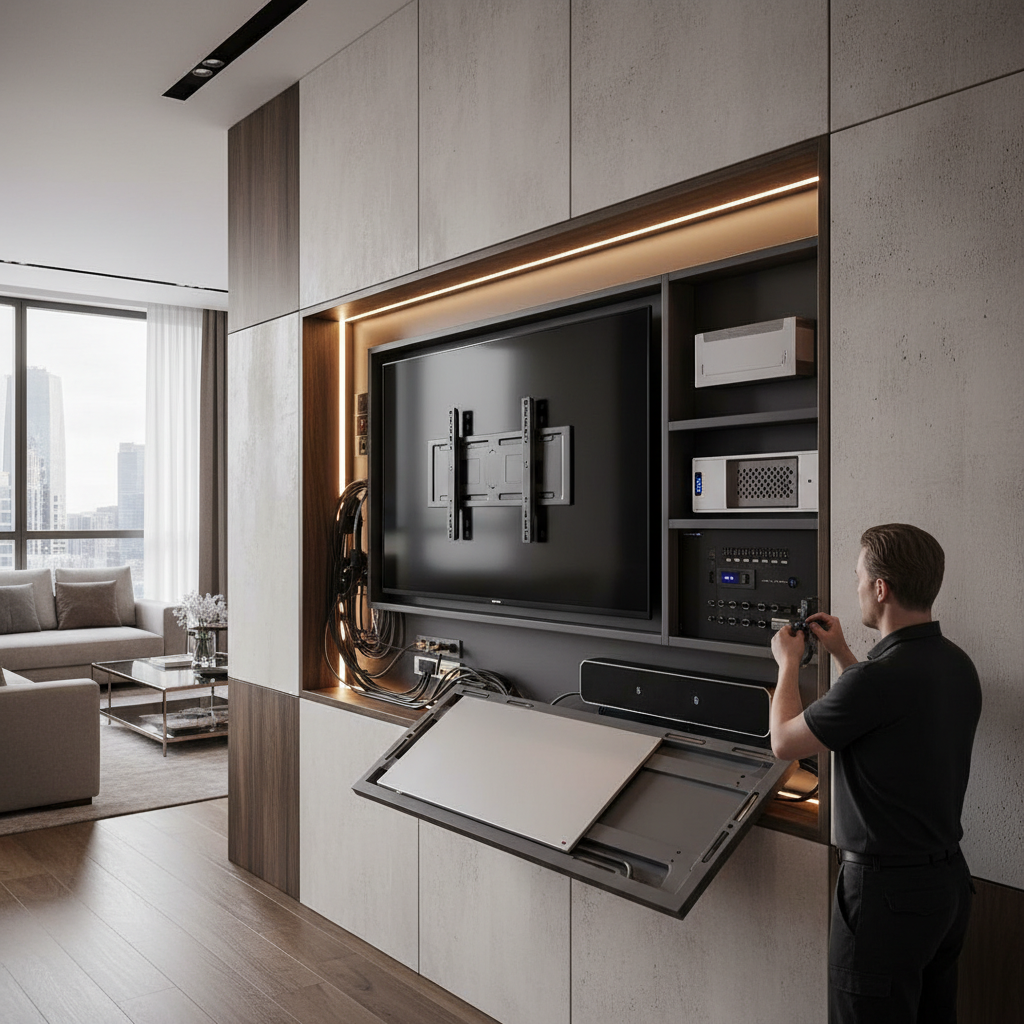
A recessed tv box, often referred to as an in-wall media box or cable management box, is a specialized enclosure designed to be installed flush within a wall cavity, typically behind a wall-mounted television. Its primary purpose is to conceal and organize power outlets, low-voltage cables (like HDMI, optical audio, and Ethernet), and smaller media devices that would otherwise hang visibly below the TV. This innovative solution creates a clean, professional aesthetic by making all connections invisible.
The box itself usually features multiple knockouts for electrical conduit, cable passthroughs, and mounting points for standard electrical outlets. Its depth is crucial, allowing it to accommodate various plugs and device sizes without protruding from the wall surface. This design ensures that the wall-mounted television can sit as close to the wall as possible, achieving that desirable flush look.
Components and Materials: What to Look For in 2026 Models
In 2026, the quality and features of a recessed tv box have become more sophisticated. When selecting a model, look for durable, fire-resistant materials, typically high-grade ABS plastic or metal alloys, which meet current safety standards. Key components include integrated power outlets, often with surge protection, and dedicated low-voltage cable pass-throughs.
Many contemporary models feature modular designs, allowing for custom configurations of power and data ports. Ventilation is also a critical consideration; look for boxes with passive or active cooling options to prevent device overheating. The internal dimensions and depth are paramount to ensure all your current and future devices, along with their associated cables, will fit comfortably within the enclosure.
Standard vs. Advanced Models: Features and Innovations
Standard recessed tv box models typically offer basic functionality: a simple in-wall enclosure with space for a power outlet and a few cable pass-throughs. They are ideal for basic setups where only a TV and perhaps one streaming stick need to be concealed. These are generally more budget-friendly and simpler to install, requiring minimal electrical work.
Advanced models, however, are packed with innovations for 2026. These might include integrated Power over Ethernet (PoE) ports, USB-C power delivery, built-in Wi-Fi extenders, and even small fan systems for active cooling. Some premium versions come with customizable faceplates to match your wall finish or integrated soundbar mounting solutions. These advanced options cater to complex smart home ecosystems and offer superior future-proofing capabilities, making them a wise investment for tech-savvy homeowners.
The Aesthetic and Practical Advantages of a Seamless Entertainment Setup
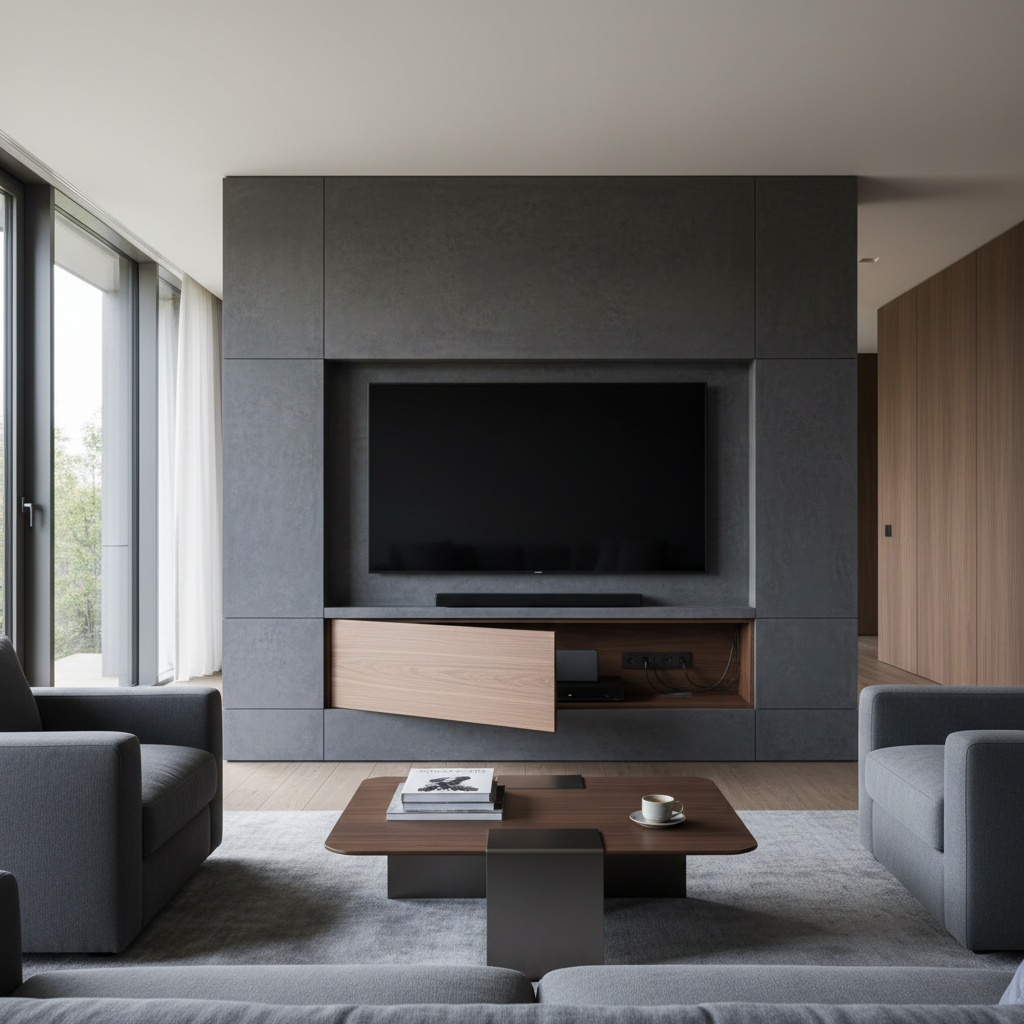
Eliminating Cable Clutter: Achieving a Pristine Look
One of the most compelling advantages of installing a recessed tv box is its unparalleled ability to eliminate cable clutter. In 2026, with an increasing number of devices, the tangle of wires behind a wall-mounted TV can quickly become an eyesore. HDMI cables, power cords, optical audio cables, and Ethernet lines all contribute to a messy appearance that detracts from an otherwise clean living space.
By housing all these connections and even smaller devices like streaming sticks or mini PCs inside the wall, a recessed tv box creates a truly pristine and minimalist aesthetic. The TV appears to float effortlessly on the wall, with no visible wires whatsoever. This seamless look is highly sought after in modern interior design and significantly enhances the perceived value and sophistication of a room.
Maximizing Wall Space and Optimizing Room Flow
Beyond visual appeal, a recessed tv box contributes significantly to maximizing usable wall space. Without the need for a bulky media console or shelf directly beneath the TV to hide components, the area below the screen can be repurposed. This frees up valuable floor space, which is especially beneficial in smaller rooms or open-concept living areas where every square foot counts.
Optimizing room flow is another practical advantage. When cables are hidden and devices are out of sight, there are fewer obstacles and visual distractions. This creates a more open, airy feel in the room, allowing furniture placement and overall design to be dictated by aesthetics and functionality rather than the limitations imposed by exposed electronics. The result is a more harmonious and inviting living environment.
Protecting Electronics and Wiring: Safety and Longevity
The recessed tv box serves a vital role in protecting valuable electronics and delicate wiring. By securing devices and cables within the wall cavity, they are shielded from physical damage caused by accidental bumps, spills, or even curious pets and children. This containment helps prevent wear and tear on cables, reducing the risk of frayed wires or damaged ports, which can be costly to repair or replace.
Furthermore, an organized and contained environment within the wall helps prevent dust buildup on sensitive components, which can lead to overheating and reduced device longevity. From a safety perspective, concealing electrical cords within the wall minimizes tripping hazards and reduces the risk of electrical shorts or fires. Many models also include surge protection, adding an extra layer of safety for your connected devices, a crucial feature in 2026’s tech-heavy homes.
Installation Guide: DIY vs. Professional for Your Recessed TV Box Project
Assessing Your Wall Type and Structure for Compatibility
Before embarking on a recessed tv box installation, a thorough assessment of your wall type and internal structure is paramount. Most recessed boxes are designed for standard drywall construction over wood or metal studs. You’ll need to locate studs to ensure you’re cutting into a safe, non-load-bearing section and to avoid obstacles like electrical wiring, plumbing pipes, or HVAC ducts.
Use a stud finder to map out the internal structure. If your wall is plaster and lath, brick, concrete, or an exterior wall, the installation will be significantly more complex, potentially requiring specialized tools and techniques. Understanding these limitations upfront will help you decide between a DIY approach and professional assistance, ensuring the recessed tv box can be safely and effectively integrated.
Tools and Materials Required for a Successful Installation
For a successful DIY recessed tv box installation, gathering the right tools and materials is crucial. You’ll need a stud finder, a level, a measuring tape, a pencil for marking, and a drywall saw or oscillating multi-tool for cutting the opening. Safety glasses and gloves are also essential. For electrical connections, you’ll need wire strippers, screwdrivers, and potentially a non-contact voltage tester.
In terms of materials, you’ll obviously need the recessed tv box itself, along with any necessary electrical outlets, low-voltage cable pass-through inserts, and appropriate electrical wiring (e.g., Romex for power, CL2 or CL3 rated cables for in-wall low-voltage runs). Ensure all electrical components are rated for in-wall use and meet current building codes in 2026. Having extra cable length is always a good idea.
Step-by-Step DIY Installation Considerations and Best Practices
If you’re confident in your DIY skills, here are key considerations for installing your recessed tv box. First, precisely measure and mark the desired location behind your TV, ensuring it’s centered and at a height that allows easy access without being visible. Use a template (often provided with the box) to trace the opening on the wall. Before cutting, double-check for studs and any potential obstructions using your stud finder and possibly by drilling a small pilot hole.
Carefully cut the drywall, ensuring clean edges. Run any necessary electrical wiring from an existing outlet or junction box to the recessed box location, adhering strictly to local electrical codes. Install the power outlets and low-voltage inserts within the box, then secure the box itself into the wall cavity according to the manufacturer’s instructions, typically using mounting wings or screws. Finally, route your HDMI, Ethernet, and other cables through the appropriate pass-throughs, ensuring enough slack for connectivity. Test all connections before patching and painting if necessary.
When to Opt for Professional Installation: A Smart Recessed TV Box Decision
While a DIY installation of a recessed tv box is feasible for experienced homeowners, there are several scenarios where professional installation is the smarter and safer choice. If you’re dealing with anything other than standard drywall (e.g., plaster, brick, concrete), or if you’re unsure about locating studs and avoiding internal obstacles, a professional can prevent costly mistakes.
Furthermore, if new electrical wiring needs to be run or if you’re uncomfortable working with mains voltage, an electrician is indispensable to ensure compliance with stringent 2026 electrical codes and safety standards. Professionals also have the expertise to achieve a flawless finish and can often integrate the recessed tv box more seamlessly into complex smart home systems, providing peace of mind and guaranteeing optimal performance for your entertainment setup.
Smart Home Integration and Future-Proofing Your Entertainment Hub
Connectivity Options: HDMI 2.1, USB-C, and Wireless Power Solutions
In 2026, the connectivity options within a recessed tv box are crucial for future-proofing your entertainment hub. HDMI 2.1 is now standard for supporting 8K resolution, higher refresh rates, and advanced gaming features, so ensure your box’s pass-throughs can accommodate these robust cables. USB-C ports with power delivery (PD) capabilities are increasingly vital for powering streaming sticks, external drives, and even some compact media players, reducing the need for separate power adapters.
Emerging wireless power solutions, while still evolving for higher wattage devices, are starting to appear in advanced recessed tv box models. These could allow for truly wire-free device charging within the box itself, simplifying setup and maintenance even further. Prioritizing a box that supports these modern standards ensures your setup remains relevant and capable for years to come.
Integrating with Voice Assistants and AI Home Systems in 2026
The role of a recessed tv box extends beyond mere cable management; it’s a key component in a fully integrated smart home. In 2026, many advanced models offer features that facilitate seamless integration with popular voice assistants like Amazon Alexa, Google Assistant, and Apple HomeKit, as well as broader AI home systems. This might include dedicated space for smart hubs or even built-in Wi-Fi extenders to ensure robust connectivity for all your smart devices.
By centralizing power and network connections, the recessed tv box helps create a stable foundation for your smart entertainment ecosystem. Imagine controlling your TV, soundbar, and streaming devices with simple voice commands, all powered and connected discreetly within the wall. This level of integration enhances convenience and elevates the overall smart home experience, making the recessed tv box an intelligent choice for the modern homeowner.
Modular Designs for Future Upgrades and Device Expansion
One of the most valuable features to look for in a 2026 recessed tv box is a modular design. Technology evolves rapidly, and what works today might be obsolete tomorrow. A modular box allows you to easily swap out or add new components without having to replace the entire in-wall unit. This means you can upgrade power outlets, add new data ports (like additional Ethernet or specialized audio connections), or even incorporate future wireless charging modules.
This flexibility is essential for future-proofing your investment. It ensures that as new devices emerge or as your entertainment needs change, your in-wall setup can adapt without significant renovation. This foresight saves time, effort, and money in the long run, making your entertainment hub truly scalable and sustainable.
The Role of a Recessed TV Box in the Smart Home Ecosystem
Within the broader smart home ecosystem, the recessed tv box acts as a critical nerve center for your entertainment components. It centralizes power and data, providing a stable and organized foundation for all connected media devices. This consolidation not only enhances aesthetics but also improves reliability and simplifies troubleshooting. By managing power distribution and ensuring robust network access from a single, hidden point, it reduces potential points of failure and interference.
Furthermore, for devices like an Iptv Encoder Box or a compact media server, having a dedicated, ventilated, and powered space inside the wall can significantly improve performance and longevity by protecting them from dust and physical damage. Ultimately, a well-chosen recessed tv box elevates your smart home by making the technology that powers your entertainment truly invisible, allowing the focus to remain on the content itself.
Choosing the Right Recessed TV Box: Factors to Consider in 2026
Size and Depth: Accommodating Your Devices and Cables
When selecting a recessed tv box in 2026, the size and depth are paramount considerations. You must accurately assess the dimensions of all the devices you intend to house within the wall, including streaming boxes, media players, surge protectors, and even smaller network switches. Crucially, don’t forget to account for the space required by the plugs and the bend radius of stiff cables like HDMI 2.1, which demand more room.
Measure not just the width and height, but especially the depth of your chosen box. A deeper box provides more flexibility for larger power adapters and thicker cable bundles, preventing devices from pressing against the back of your wall-mounted TV. Always err on the side of slightly larger rather than too small, as future devices may also require more space.
Material Durability and Fire Safety Ratings: What You Need to Know
The materials used in a recessed tv box directly impact its durability and, more importantly, its fire safety. In 2026, look for models constructed from high-grade, fire-retardant ABS plastic or robust metal, such as steel. These materials are designed to withstand the heat generated by electronics and prevent the spread of fire in the unlikely event of an electrical issue. Always verify that the product carries recognized safety certifications like UL (Underwriters Laboratories) or ETL listings.
These certifications confirm that the box has undergone rigorous testing for electrical and fire safety standards. Investing in a certified, durable recessed tv box provides crucial peace of mind, knowing that your in-wall setup is not only functional but also safe for your home and family. Do not compromise on these safety ratings for cost savings.
Ventilation and Heat Management Solutions for Optimal Performance
Heat is the enemy of electronics, and a recessed tv box, by its very nature, can trap heat if not properly designed. Adequate ventilation and heat management solutions are critical for ensuring the optimal performance and longevity of your devices. Look for boxes with integrated passive ventilation, such as strategically placed vents or grilles that allow for natural airflow.
For more demanding setups, especially those housing multiple devices or powerful gaming consoles, consider advanced models that incorporate active cooling solutions like small, quiet fans. Some premium boxes might even feature temperature sensors that trigger fans when a certain threshold is reached. Prioritizing a recessed tv box with effective heat dissipation will prevent overheating, which can lead to device slowdowns, crashes, and premature failure.
Brand Reputation and Warranty Information for Peace of Mind
When making any significant home improvement purchase in 2026, brand reputation and warranty information are key indicators of product quality and manufacturer commitment. Opt for recessed tv box brands with a proven track record of producing reliable, safe, and innovative home entertainment solutions. Research customer reviews and professional endorsements to gauge real-world performance and satisfaction.
A strong warranty indicates that the manufacturer stands behind its product. Look for a warranty that covers defects in materials and workmanship for a reasonable period, typically several years. Understanding the warranty terms before purchase can save you significant hassle and expense should any issues arise after installation. Choosing a reputable brand with comprehensive warranty coverage provides invaluable peace of mind for your investment.
Advanced Features and Innovations in Recessed TV Box Technology
Integrated Power Management and Surge Protection
Modern recessed tv box units are far more than simple hiding spots; many now incorporate sophisticated power management and surge protection features. In 2026, it’s common to find models with multiple integrated power outlets, often with individual switching capabilities or timers for specific devices. This allows for efficient energy management and the ability to easily power cycle individual components without reaching behind the TV.
Crucially, many premium recessed tv box solutions come with robust surge protection built directly into the unit. This shields all connected electronics from voltage spikes and power fluctuations, which can be particularly damaging to sensitive equipment. This integrated protection not only saves space but also offers a higher level of safety and reliability compared to external surge protectors, ensuring your valuable devices are safeguarded.
Built-in Network Ports and Wi-Fi Extenders
Connectivity is king in 2026, and advanced recessed tv box models are designed to be true network hubs. It’s common to find units with multiple Ethernet ports, allowing you to hardwire several devices (like your TV, streaming box, and gaming console) for superior speed and stability compared to Wi-Fi. This is especially beneficial for 4K/8K streaming and online gaming, where bandwidth and low latency are critical.
Some innovative boxes even integrate Wi-Fi extenders or access points. This is particularly useful in larger homes or areas with poor Wi-Fi coverage, ensuring all your wireless devices behind and around the TV receive a strong, stable signal. This dual approach to networking within a single recessed tv box simplifies installation and optimizes your entire entertainment system’s connectivity.
Soundbar Integration and Acoustic Optimization Features
As soundbars become an increasingly integral part of home entertainment, advanced recessed tv box designs are evolving to accommodate them seamlessly. Some models now feature dedicated mounting points or channels for soundbar power and audio cables, allowing for an even cleaner installation. This means the soundbar can be mounted flush with the TV, with all its connections discreetly routed through the recessed box.
Beyond physical integration, a few high-end recessed tv box units are beginning to incorporate acoustic optimization features. While not full-fledged audio processors, these might include specialized internal dampening materials to reduce resonance or strategically placed vents that don’t interfere with upward-firing soundbar speakers. This attention to detail ensures that your audio experience is as pristine as your visual setup.
Customizable Finishes and Cover Plates for Design Harmony
The aesthetic appeal of a recessed tv box no longer needs to be purely functional; modern options offer significant design flexibility. Many manufacturers now provide customizable cover plates or trim kits that can be painted to match your wall color perfectly, making the box virtually disappear when not in use. Some premium models even offer interchangeable magnetic covers in various finishes like brushed metal, wood veneer, or high-gloss plastic.
This level of customization ensures that the recessed tv box, when occasionally accessed, blends seamlessly with your interior decor. It moves beyond a utilitarian component to become an integrated design element, reflecting the sophisticated demands of 2026 home aesthetics. This harmony between technology and design is a hallmark of truly modern living spaces.
Common Pitfalls and How to Avoid Them During Installation
Incorrect Wall Measurement and Placement Errors
One of the most frequent and frustrating pitfalls in recessed tv box installation is incorrect wall measurement and placement errors. Cutting into a wall only to realize the box is off-center, too high, too low, or conflicting with a TV mount arm is a common mistake. This often leads to unnecessary drywall repair and delays.
To avoid this, meticulously plan your placement. Use a level and a measuring tape to mark the exact center point and desired height. Consider the dimensions of your TV and its wall mount, ensuring the recessed tv box will be completely hidden behind the screen, yet accessible if needed. Create a physical template if necessary and tape it to the wall before making any cuts to visualize the final position accurately.
Overlooking Electrical Code Requirements and Safety Standards
Neglecting electrical code requirements and safety standards during recessed tv box installation can have serious consequences, ranging from fines to fire hazards. Many DIYers mistakenly treat power cables and low-voltage cables the same, but electrical outlets and wiring must adhere to strict local and national codes, such as the National Electrical Code (NEC) in the US, which are updated regularly (e.g., the 2026 cycle).
Always use appropriately rated in-wall wiring (e.g., Romex for power, CL2/CL3 for low-voltage). Ensure all connections are secure and enclosed in approved junction boxes where required. If you’re unsure about any electrical work, it is always best to consult or hire a licensed electrician. Prioritizing safety and compliance is not just a recommendation; it’s a mandatory requirement for any recessed tv box project.
Neglecting Ventilation Needs for Device Longevity
A common oversight, especially with less experienced installers, is neglecting the critical need for proper ventilation within the recessed tv box. Enclosing multiple electronic devices in a confined space without adequate airflow will inevitably lead to heat buildup. This excessive heat can drastically reduce the lifespan of your streaming devices, media players, and other components, causing them to slow down, crash, or fail prematurely.
To avoid this pitfall, consciously choose a recessed tv box model with sufficient passive ventilation (vents, grilles). For more intensive setups, consider models with active cooling fans. Ensure that the vents are not obstructed by insulation or other wall materials during installation. Proper heat management is a small consideration during installation but has a huge impact on the long-term reliability and performance of your hidden electronics.
Underestimating Future Device Expansion and Accessibility
Many homeowners regret underestimating future device expansion needs and accessibility when installing a recessed tv box. While it might perfectly fit current devices, technology evolves quickly. A box that’s too small or difficult to access will become a hindrance when you want to add a new streaming stick, upgrade a gaming console, or simply troubleshoot a connection.
Plan for growth: choose a box with slightly more internal space and more power/data ports than you currently need. Consider modular designs that allow for easy component swaps. Also, think about accessibility. While the box should be hidden, it shouldn’t be impossible to open and work within. Ensure there’s enough clearance for your hands and tools to make future adjustments or additions without a major renovation. This foresight ensures your recessed tv box remains a practical asset for years.
The Future-Proof Appeal of the Recessed TV Box in 2026 and Beyond
Anticipated Trends in Home Entertainment and Design
Looking ahead from 2026, the recessed tv box is perfectly positioned to adapt to anticipated trends in home entertainment and design. We expect to see an even greater emphasis on minimalism, with increasingly thin TVs and projectors demanding truly invisible cabling solutions. The rise of micro-LED and transparent display technologies will further necessitate discrete power and data delivery, making the in-wall box an even more critical component.
Furthermore, as augmented reality (AR) and virtual reality (VR) become more integrated into home entertainment, the need for robust, high-bandwidth connections and dedicated processing units will grow. A well-designed recessed tv box can provide the hidden infrastructure for these next-generation devices, ensuring that your home remains at the forefront of technological innovation without compromising on aesthetic appeal. The demand for seamless integration will only intensify.
Sustainability and Eco-Friendly Recessed TV Box Options
Sustainability is a growing concern across all industries, and home technology is no exception. In 2026, we are seeing an increasing number of manufacturers offering eco-friendly recessed tv box options. This includes boxes made from recycled plastics or sustainably sourced metals, as well as designs that promote energy efficiency through integrated smart power management systems that can automatically power down idle devices.
Beyond materials, the longevity and adaptability offered by a modular recessed tv box contribute to sustainability by reducing the need for frequent replacements and minimizing waste. As consumers become more environmentally conscious, the demand for products that align with these values will continue to drive innovation in sustainable manufacturing practices and energy-saving features within these essential home components.
Long-Term Value and Return on Investment for Homeowners
Investing in a high-quality recessed tv box offers significant long-term value and a strong return on investment for homeowners in 2026. Firstly, it elevates the aesthetic appeal of your home, creating a clean, modern, and high-end look that is highly desirable in the real estate market. A sophisticated, wire-free entertainment setup can be a key selling point, distinguishing your property from others.
Secondly, by protecting valuable electronics and simplifying future upgrades, it reduces maintenance costs and extends the lifespan of your entertainment devices. The convenience, safety, and future-proofing capabilities provided by a properly installed recessed tv box contribute to an enhanced living experience that far outweighs the initial investment. It’s a foundational upgrade that truly adds lasting value to any modern home.